Désordre Series
Description:
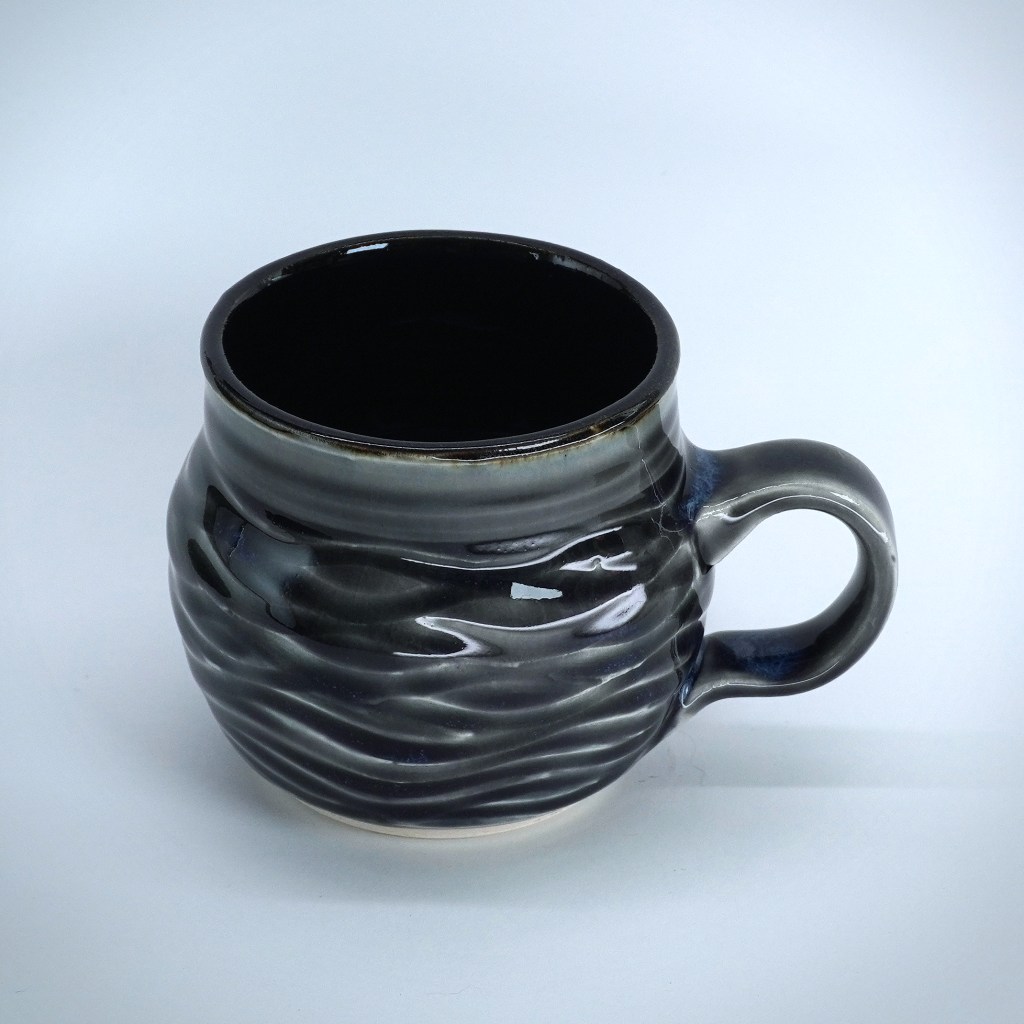
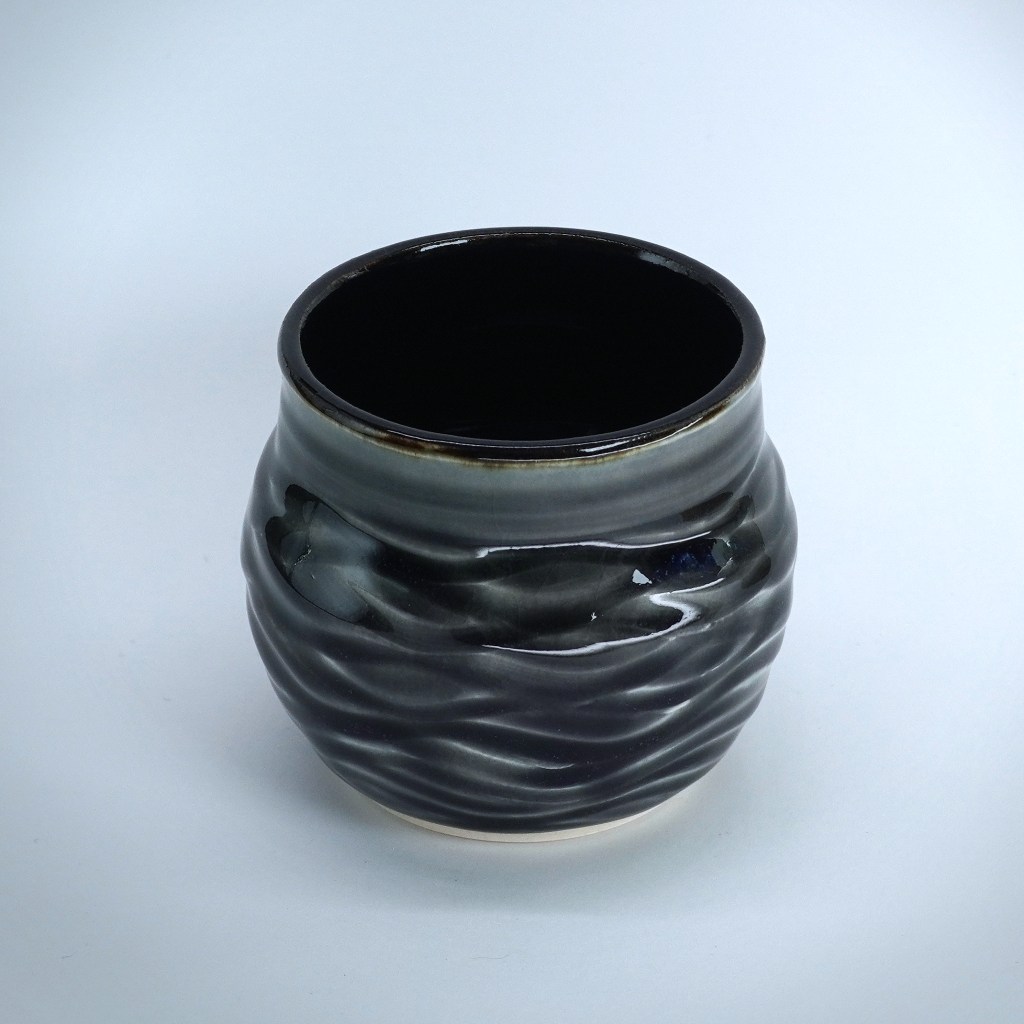
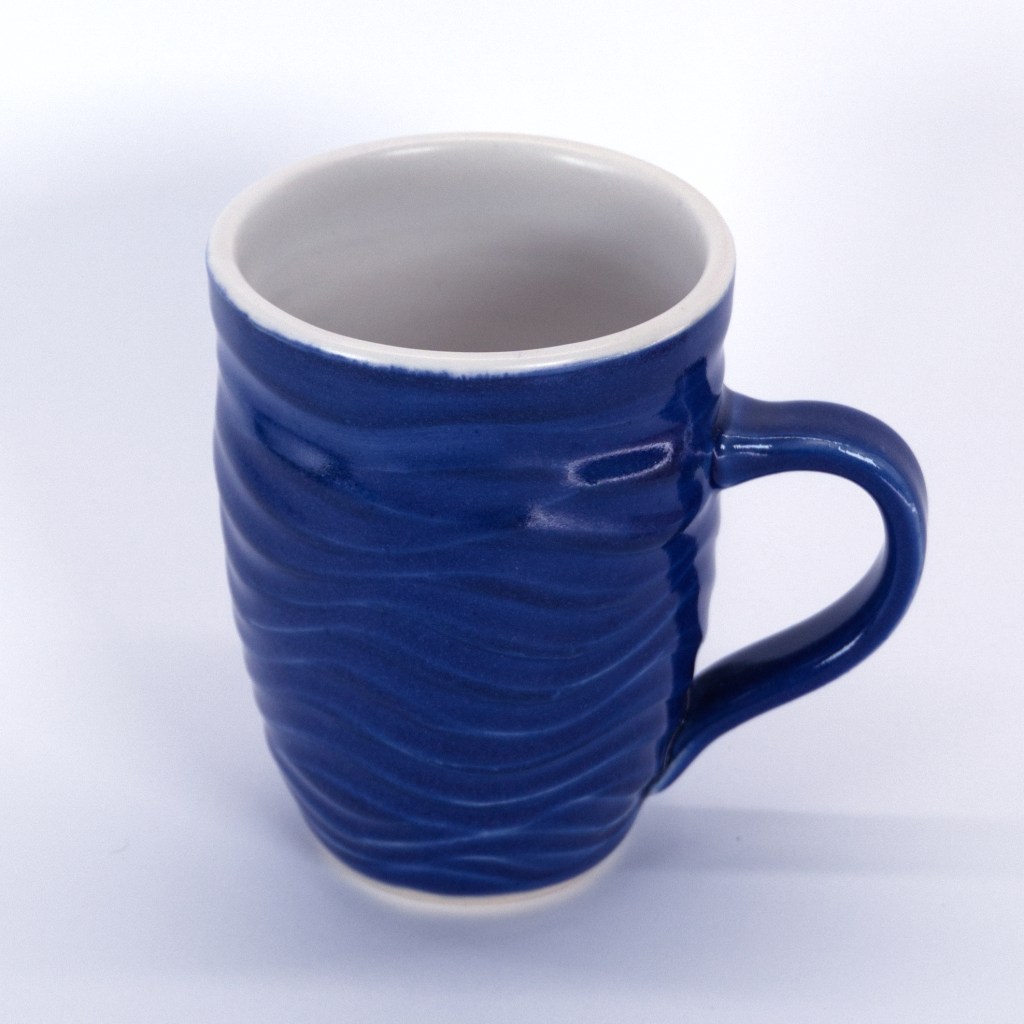
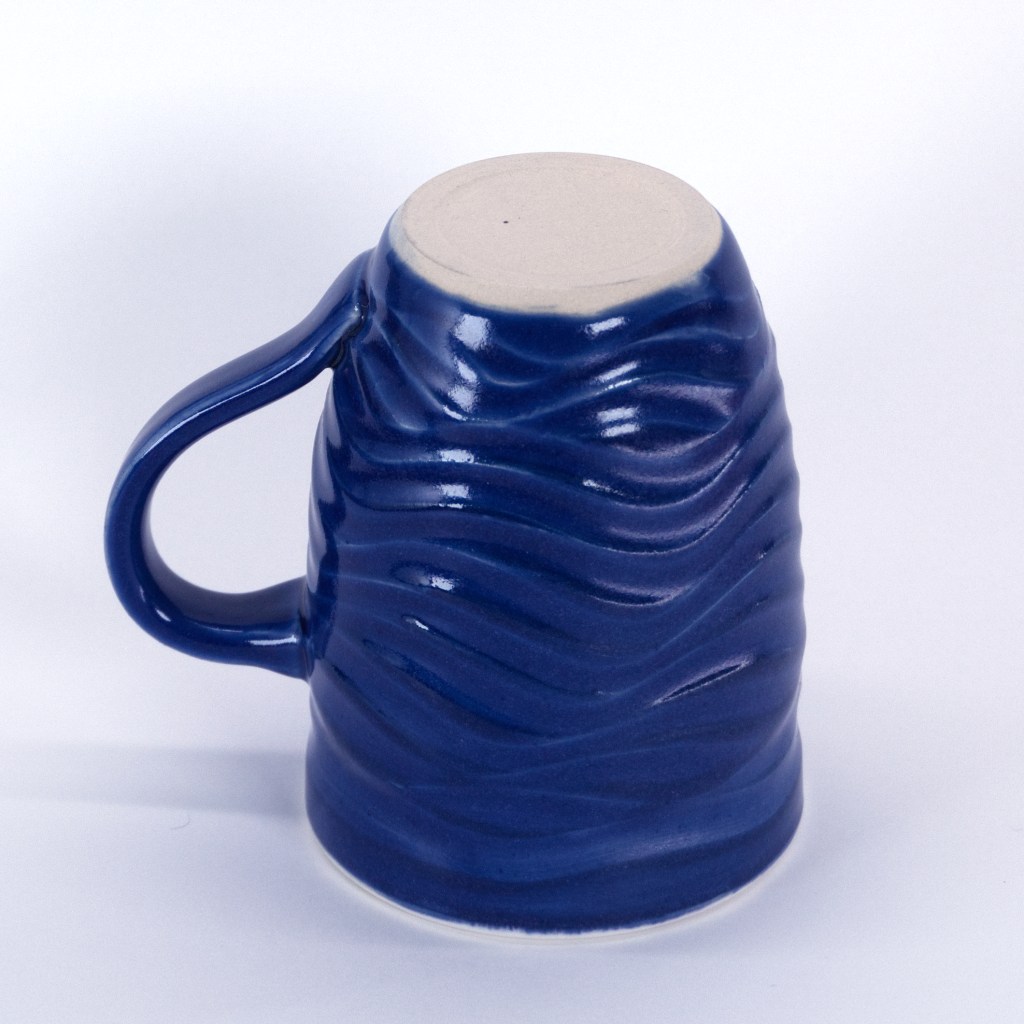
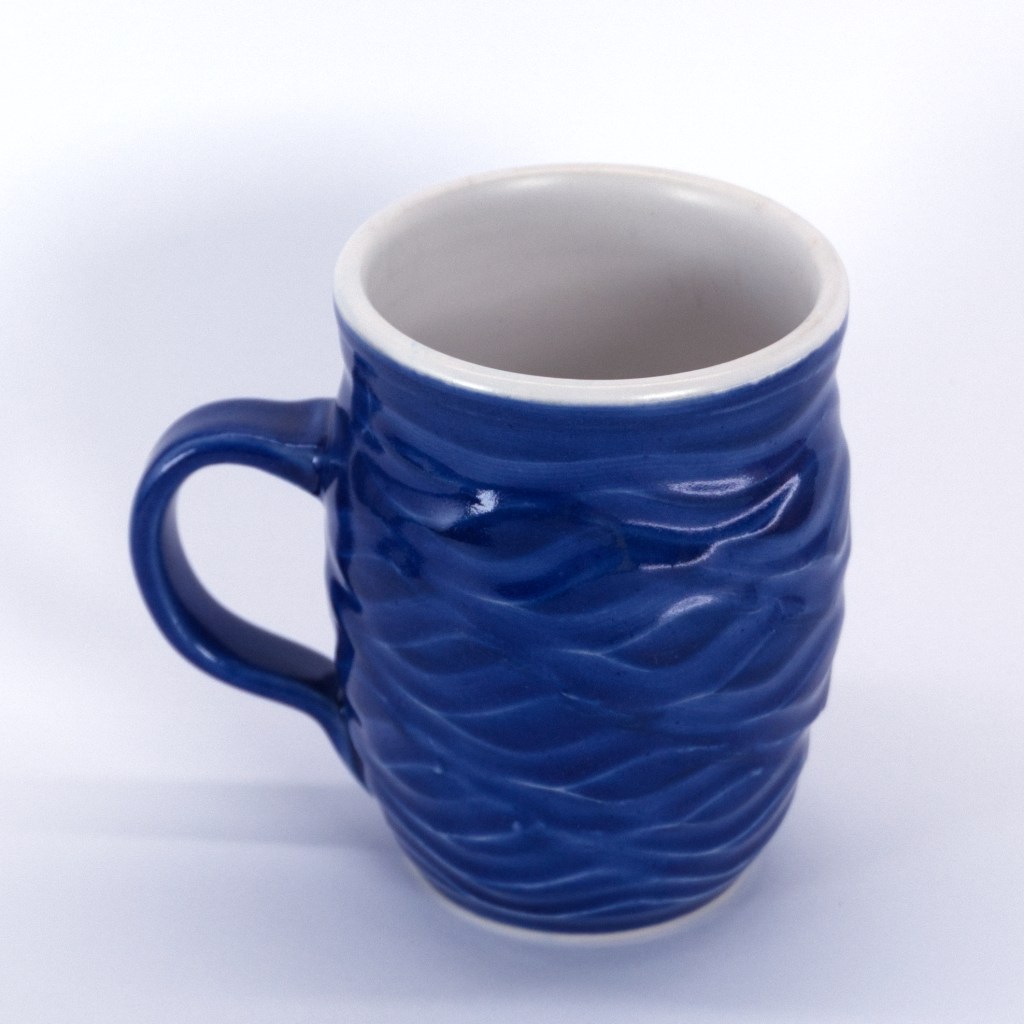
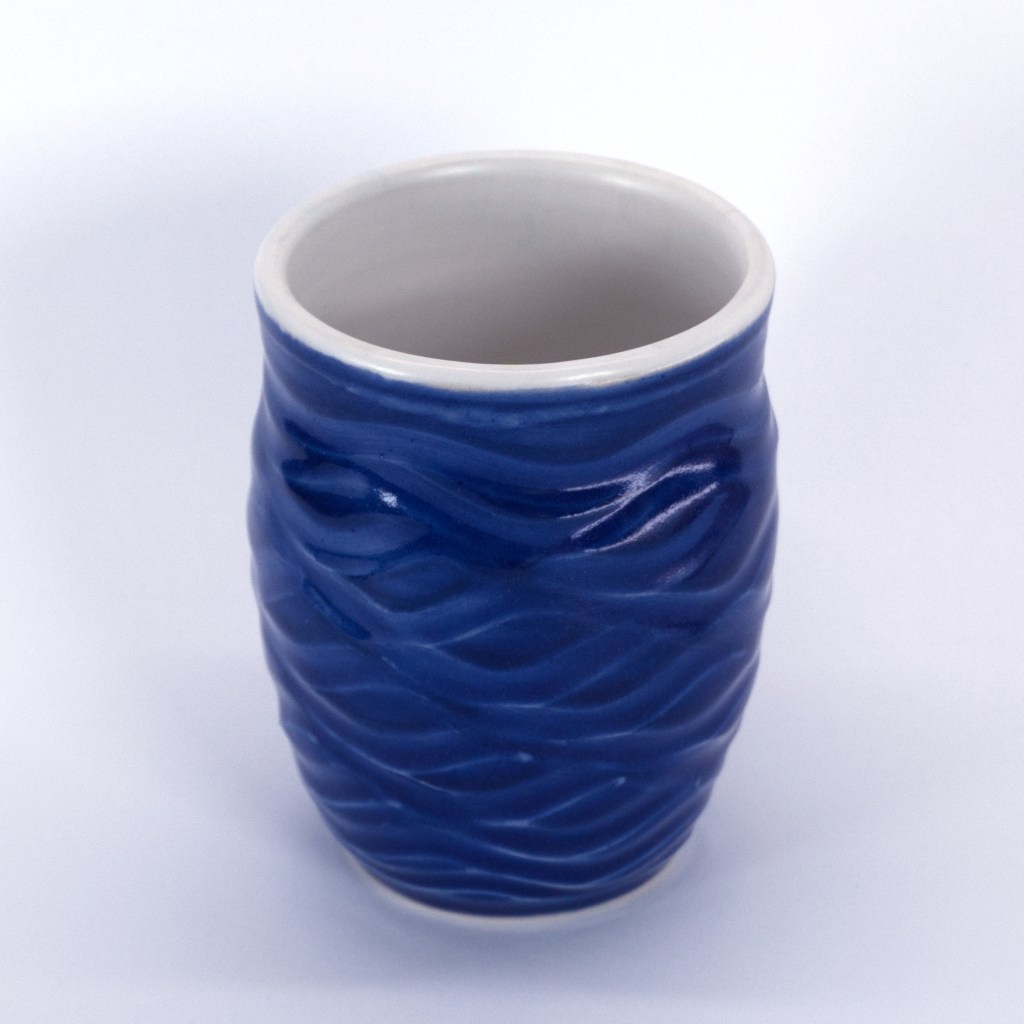
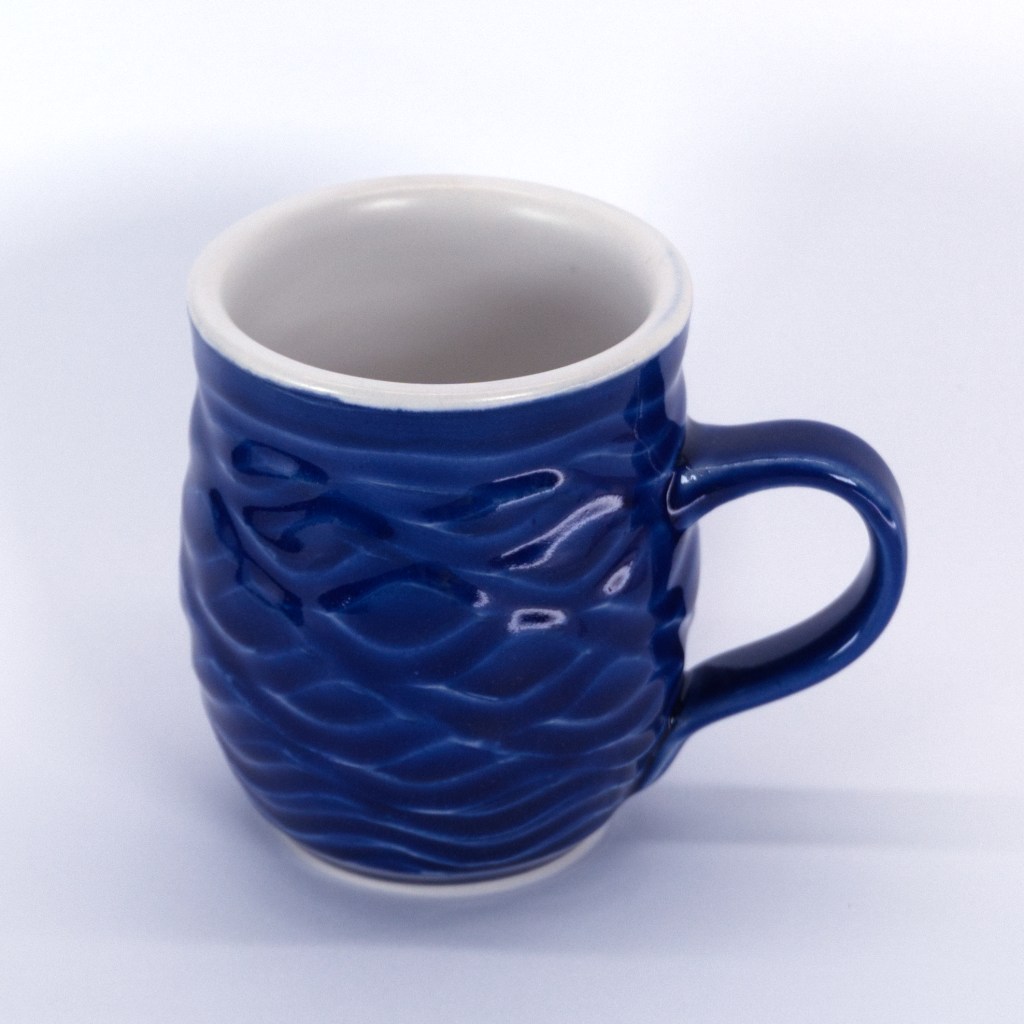
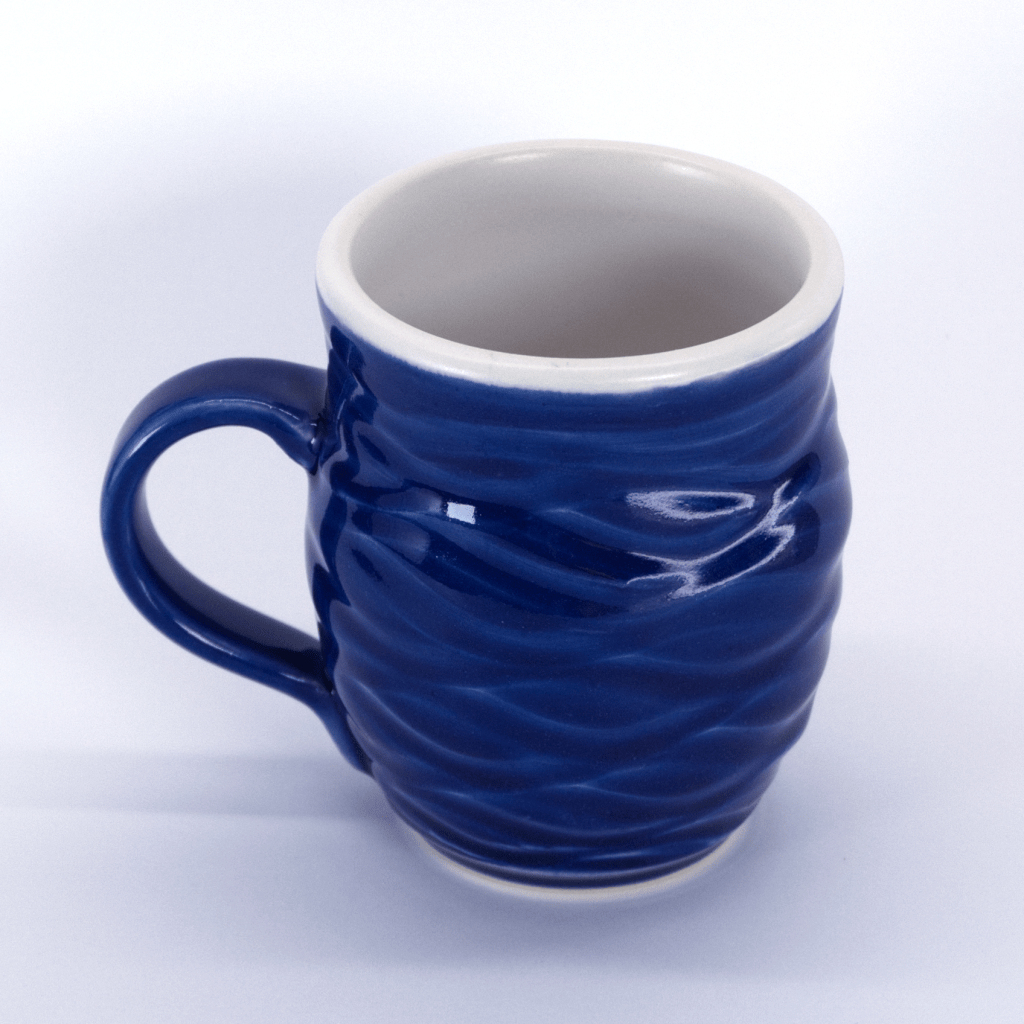
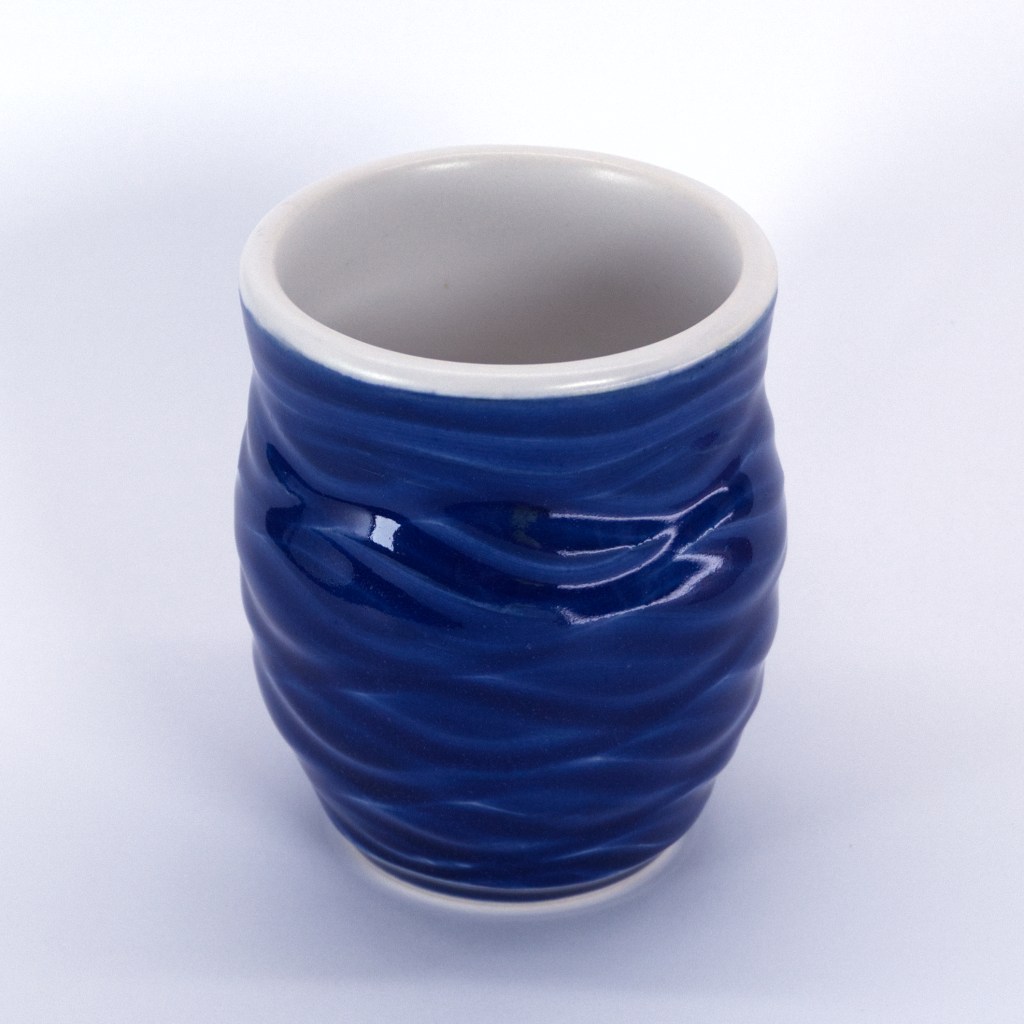
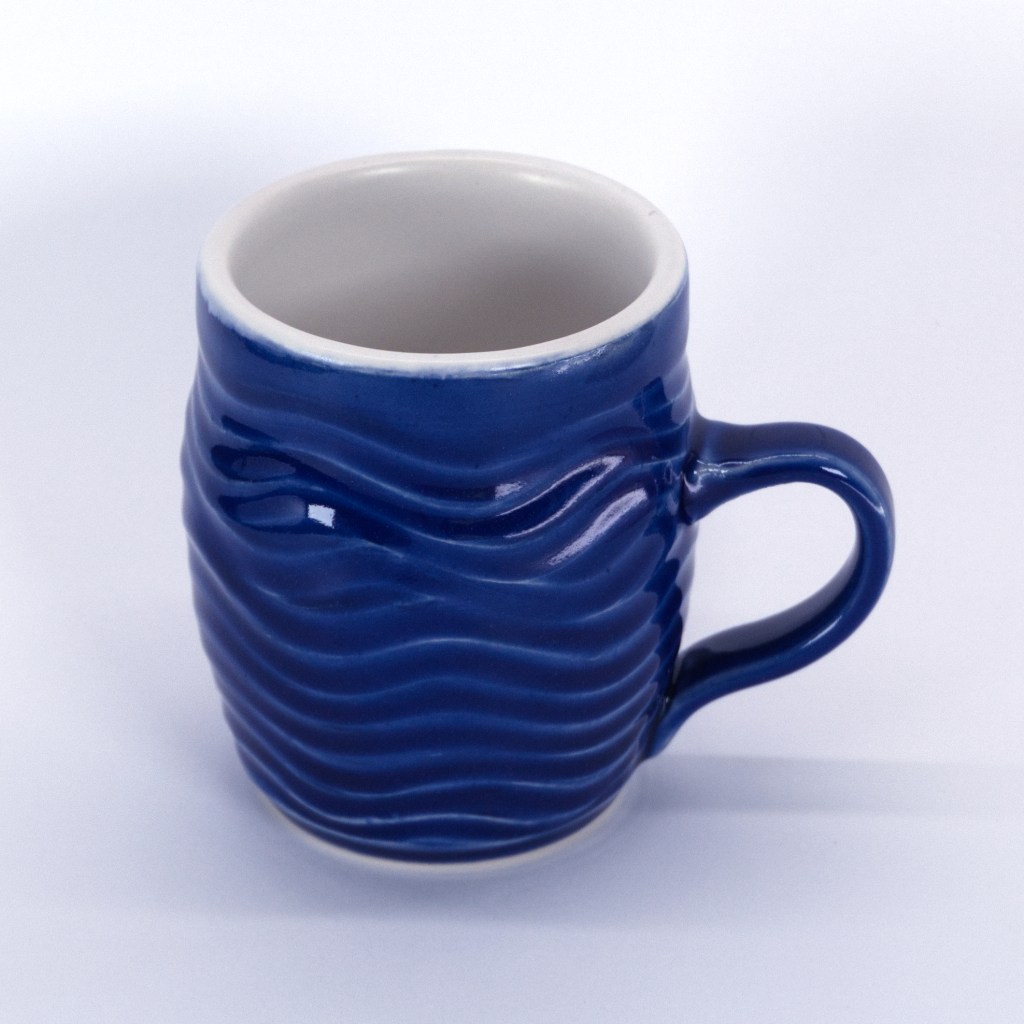
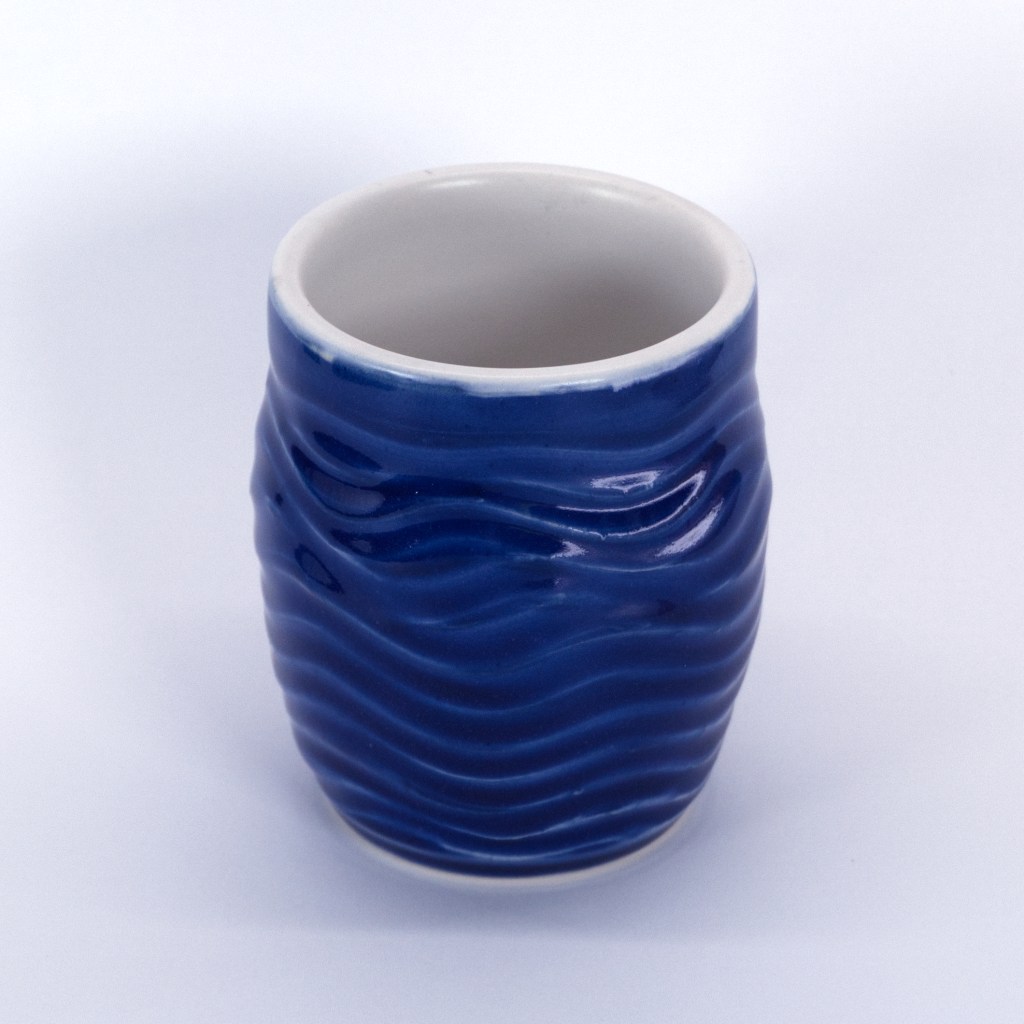
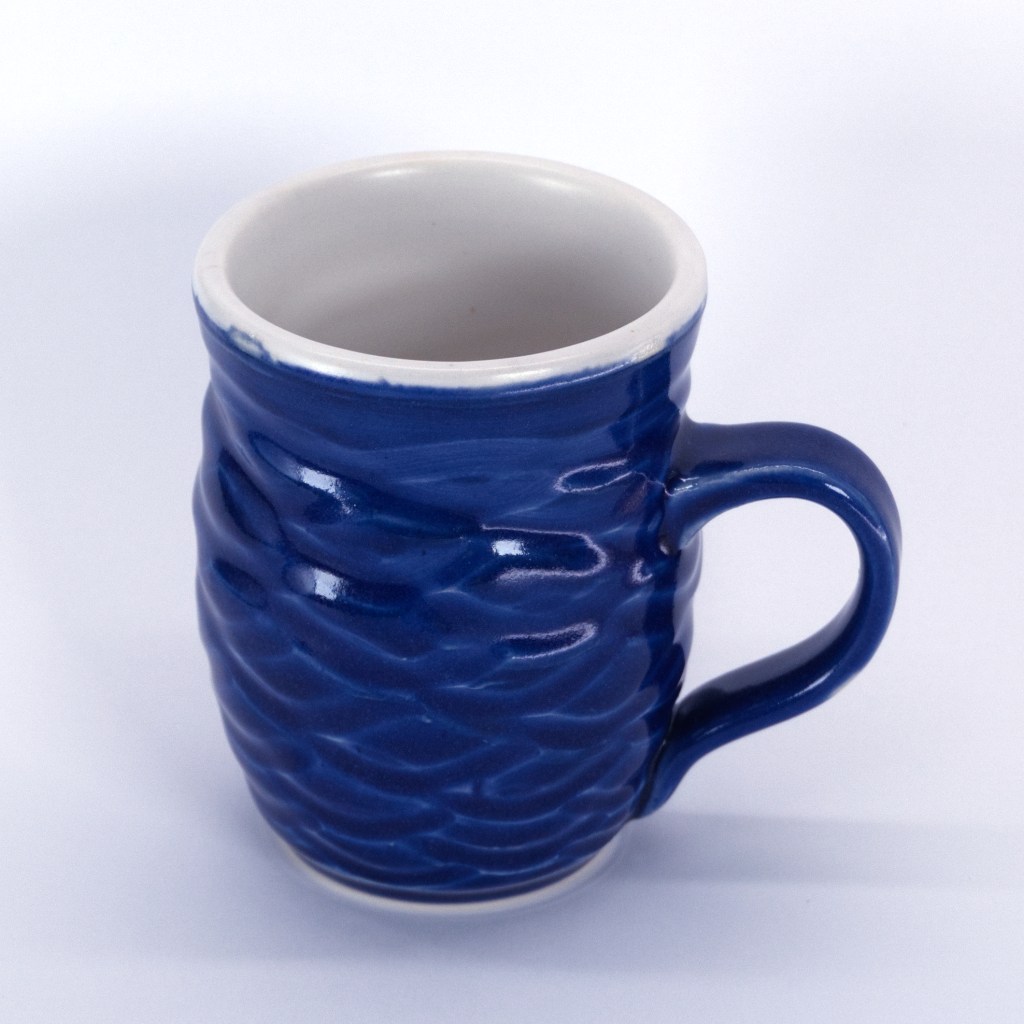
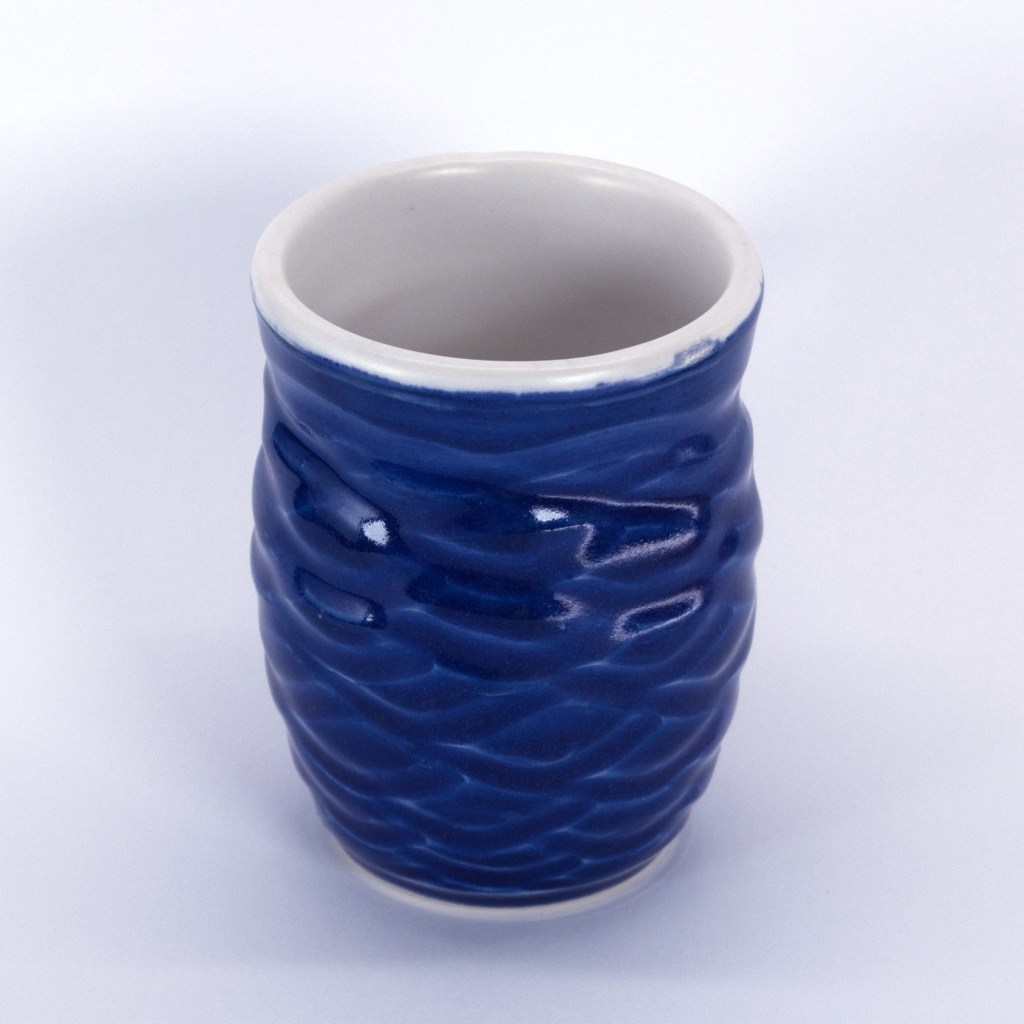
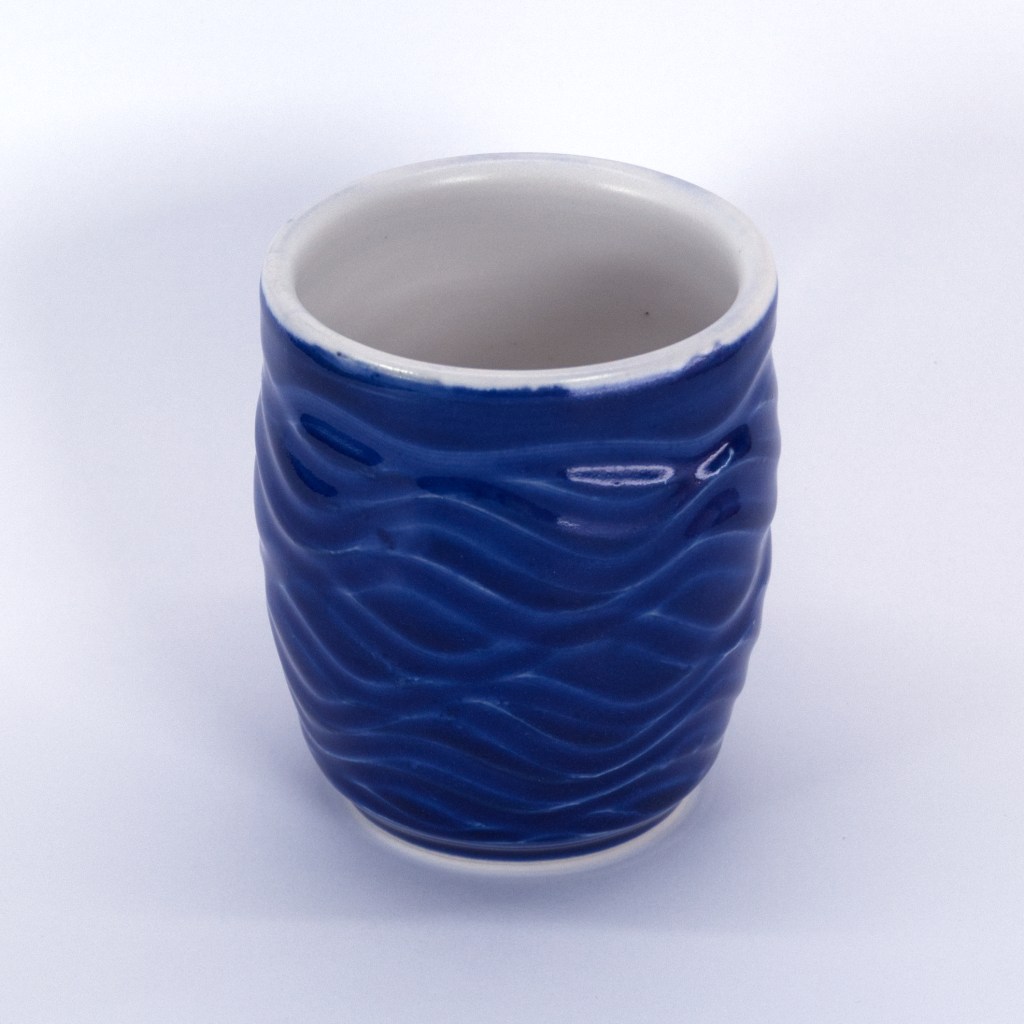
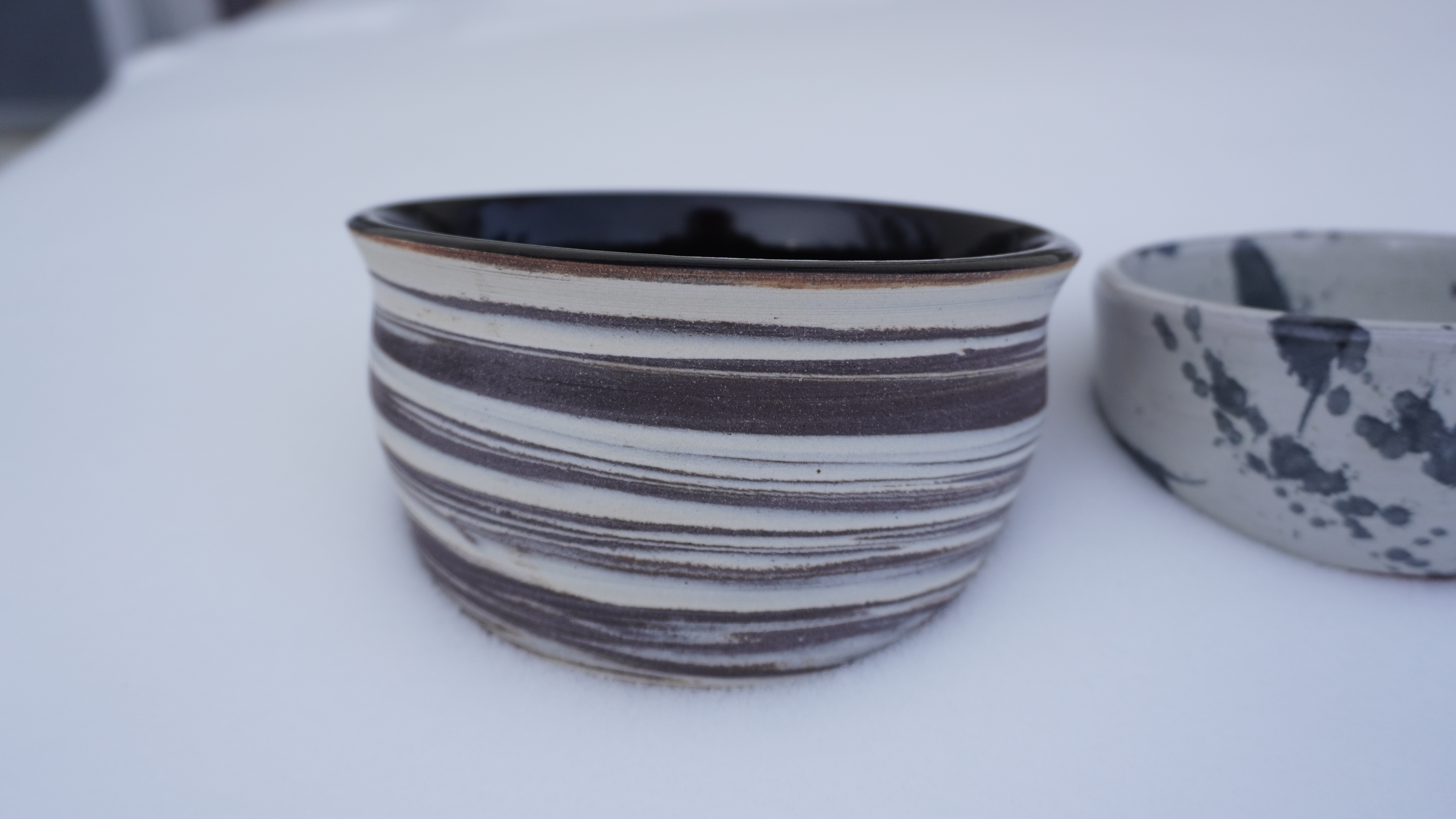
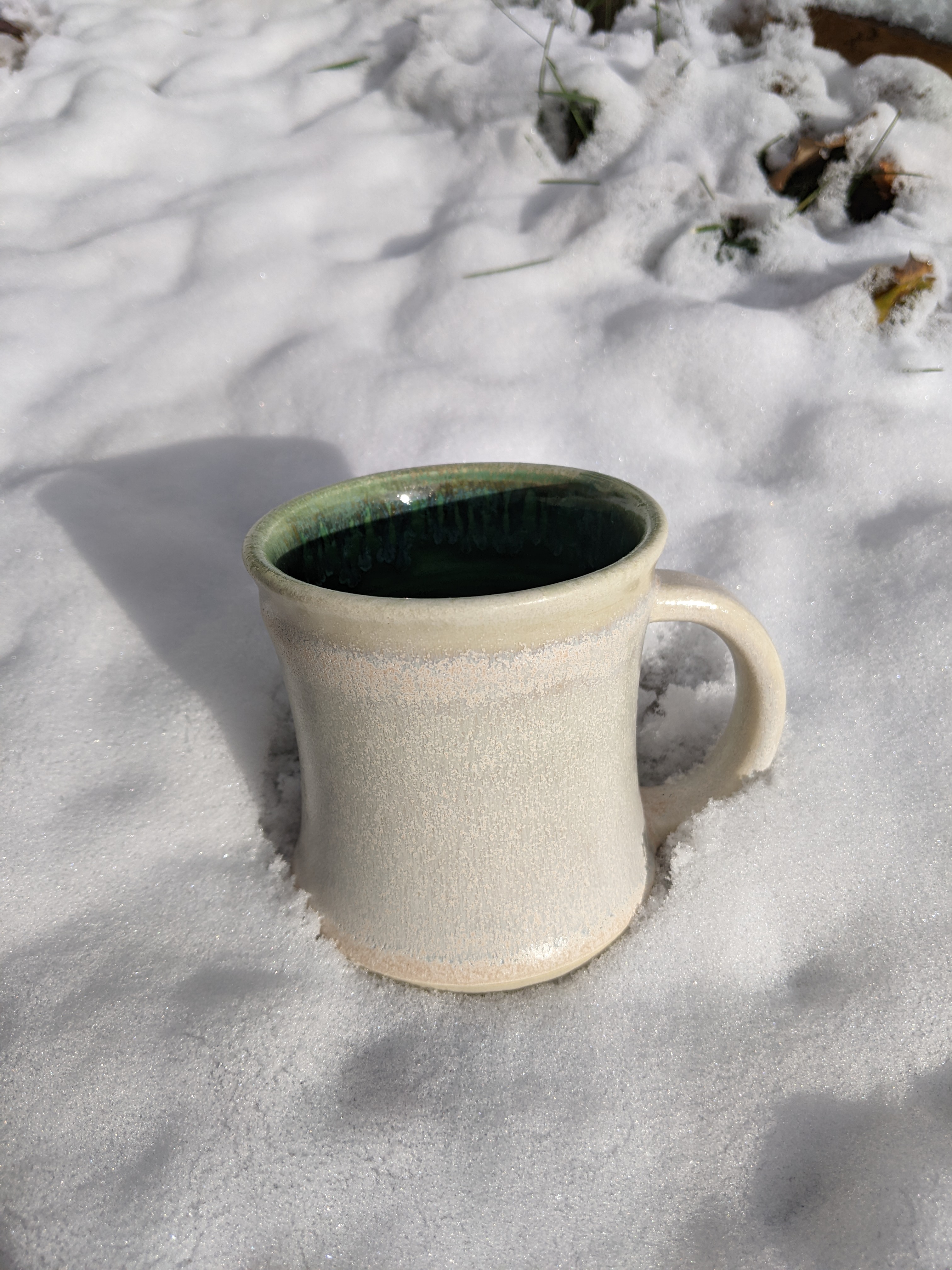
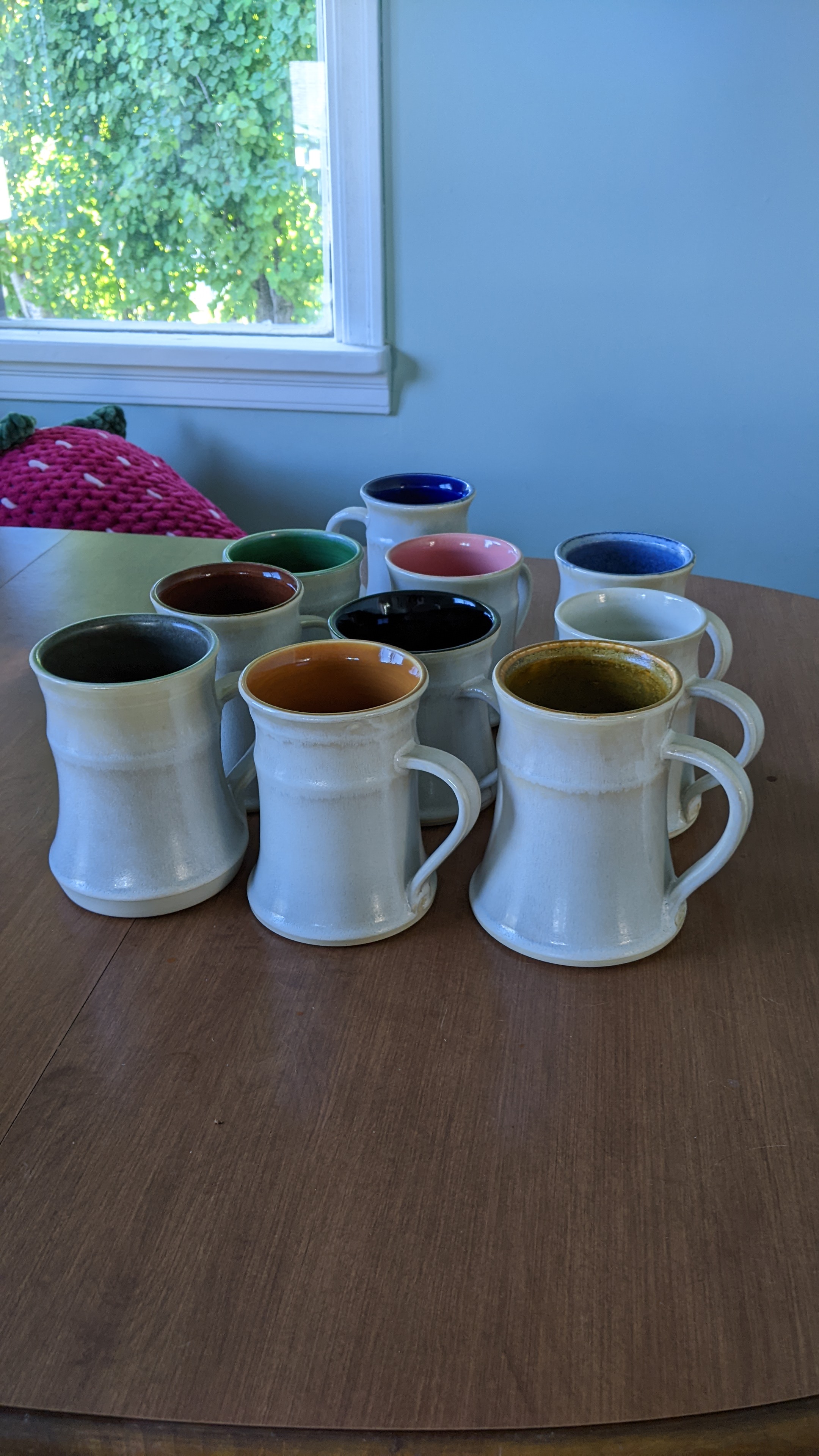
These works begin as thrown cylinders. Using a wooden tool, I press into the sidewalls while oscillating the tool up and down and lifting it steadily upward. The resulting texture emerges from the interplay of variables: the speed of oscillation against the wheel’s rotation, the amplitude of the movement, and the rate of vertical lift of the tool-wielding hand. Subtle changes in any of these parameters create entirely new patterns, as oscillations stack, overlap, and phase in complex, unexpected ways. Once the surface is marked, the vessels are opened outward into their final form.
This practice grew out of play and experimentation. At first, I sought to break away from the ruthless precision of evenly thrown and trimmed vessels by using fast, intuitive, forceful gestures that introduced organic irregularities. Over time, I discovered that these same gestures, once practiced and refined, could be directed with intention. What began as an embrace of disorder became a disciplined technique: a way to shape the energy of a rapid action (usually taking 5-10 seconds) into controlled, intricate ornament.
Rainy Forest
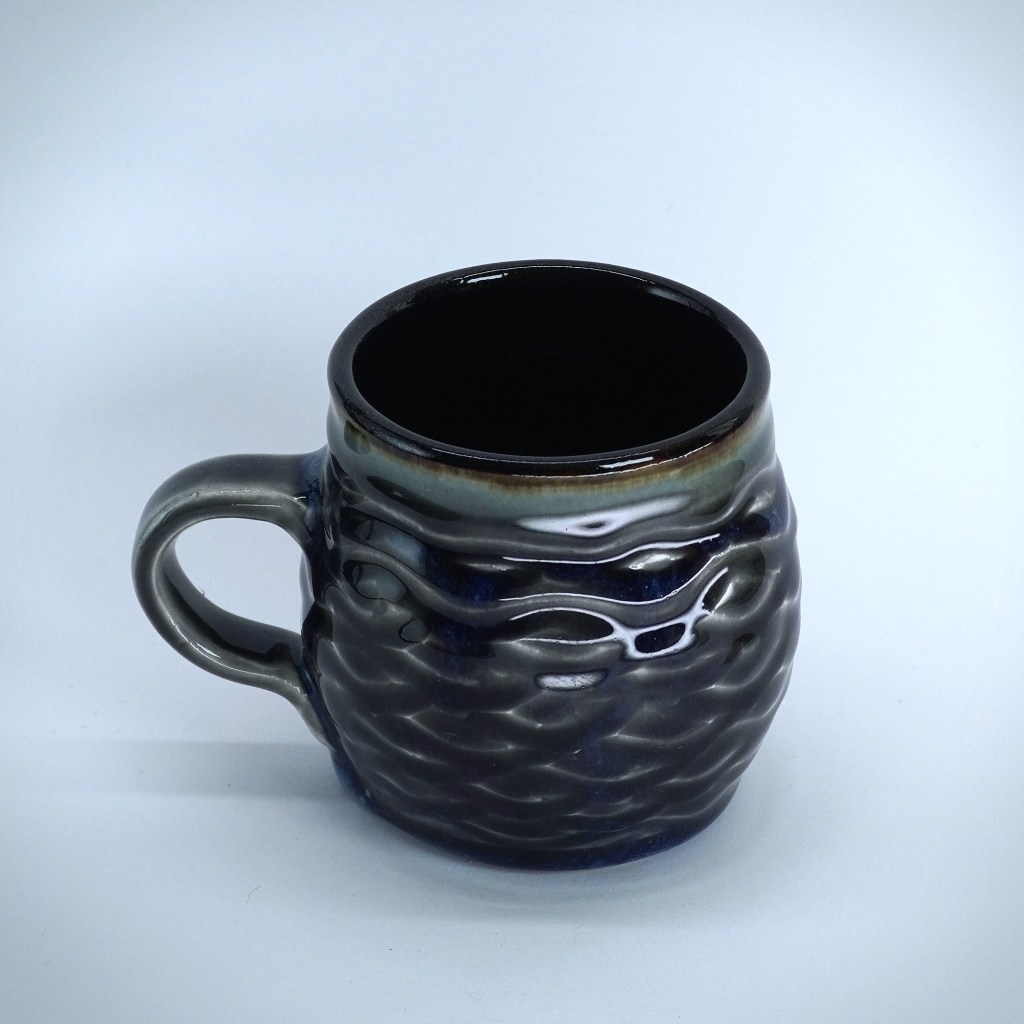
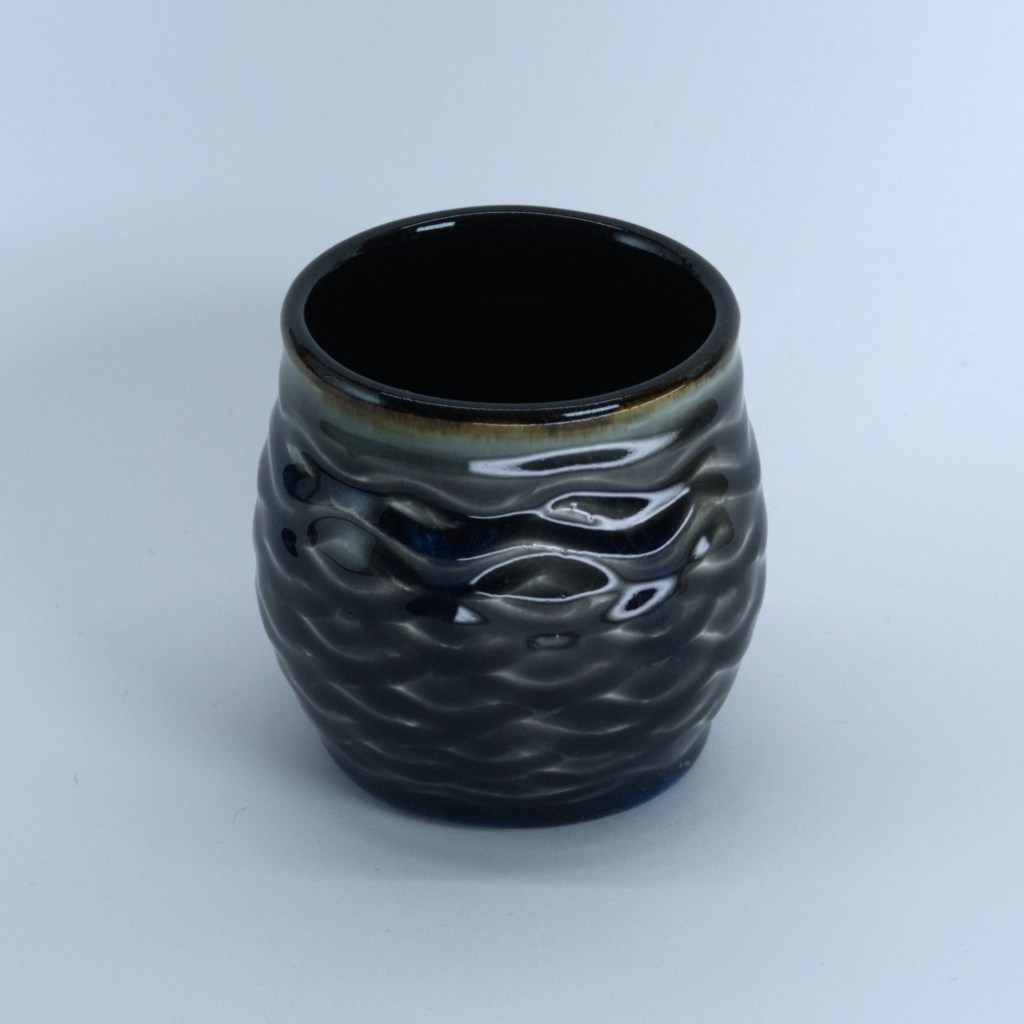
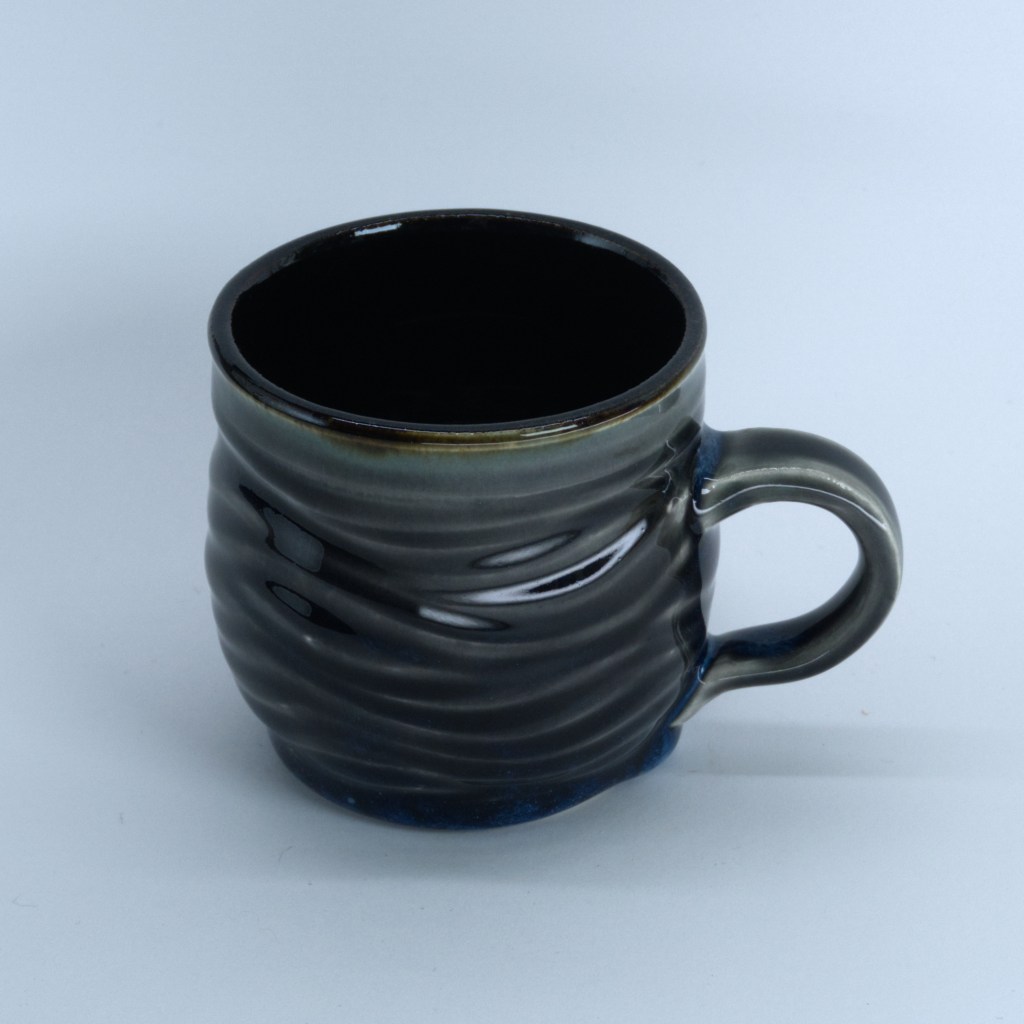
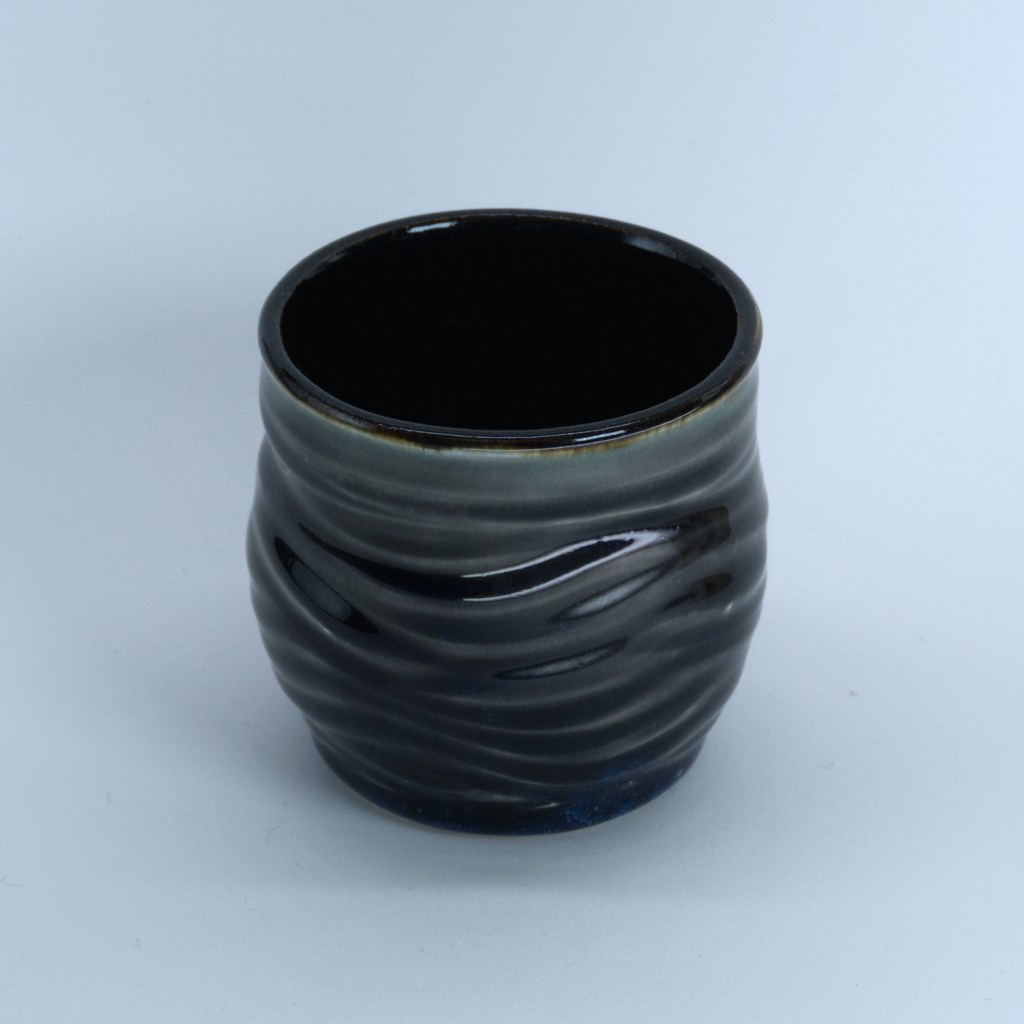
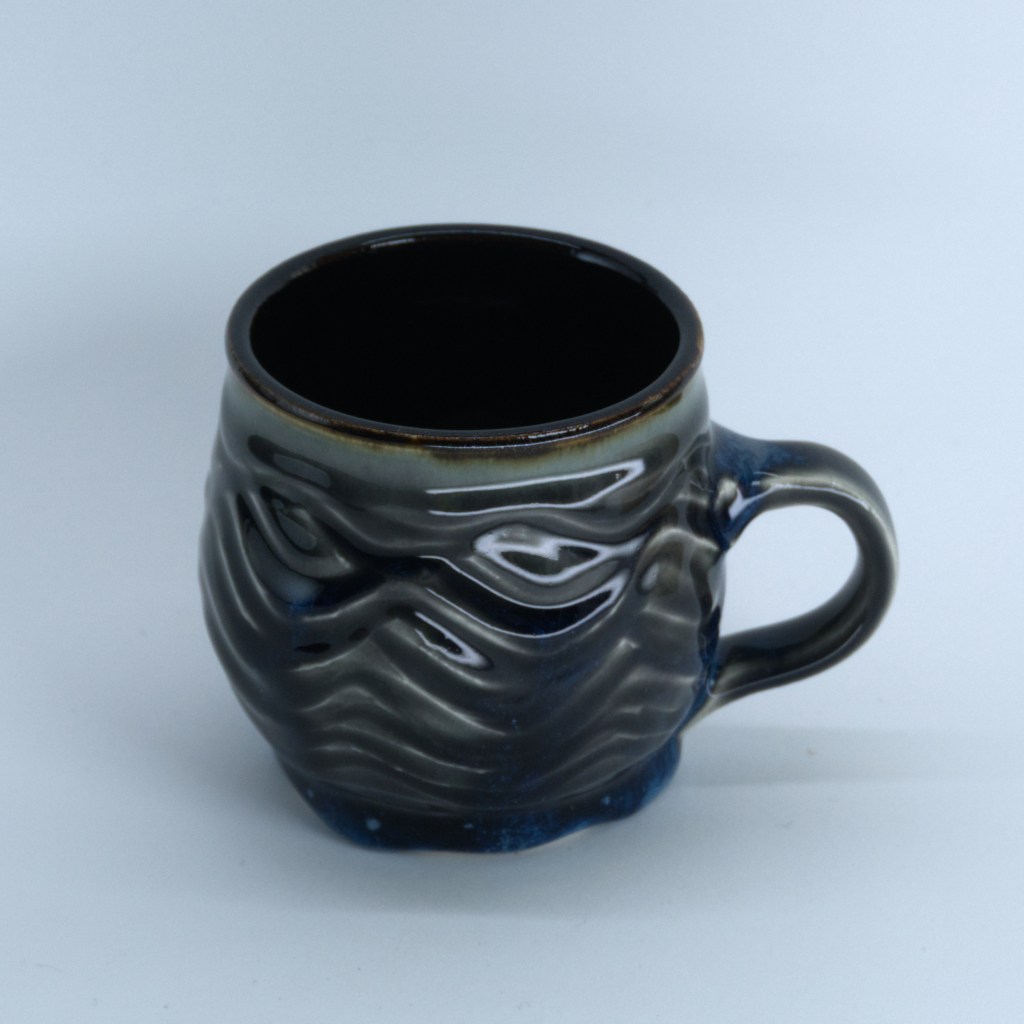
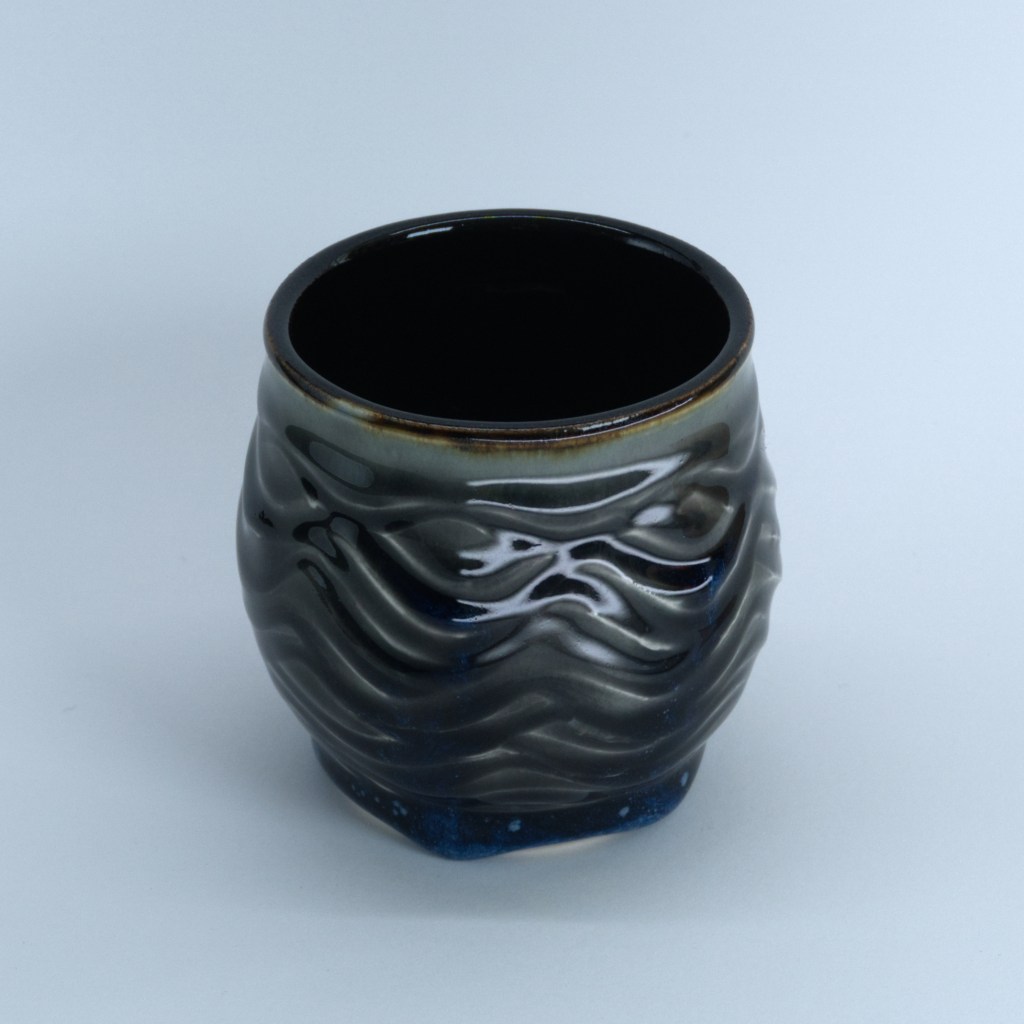
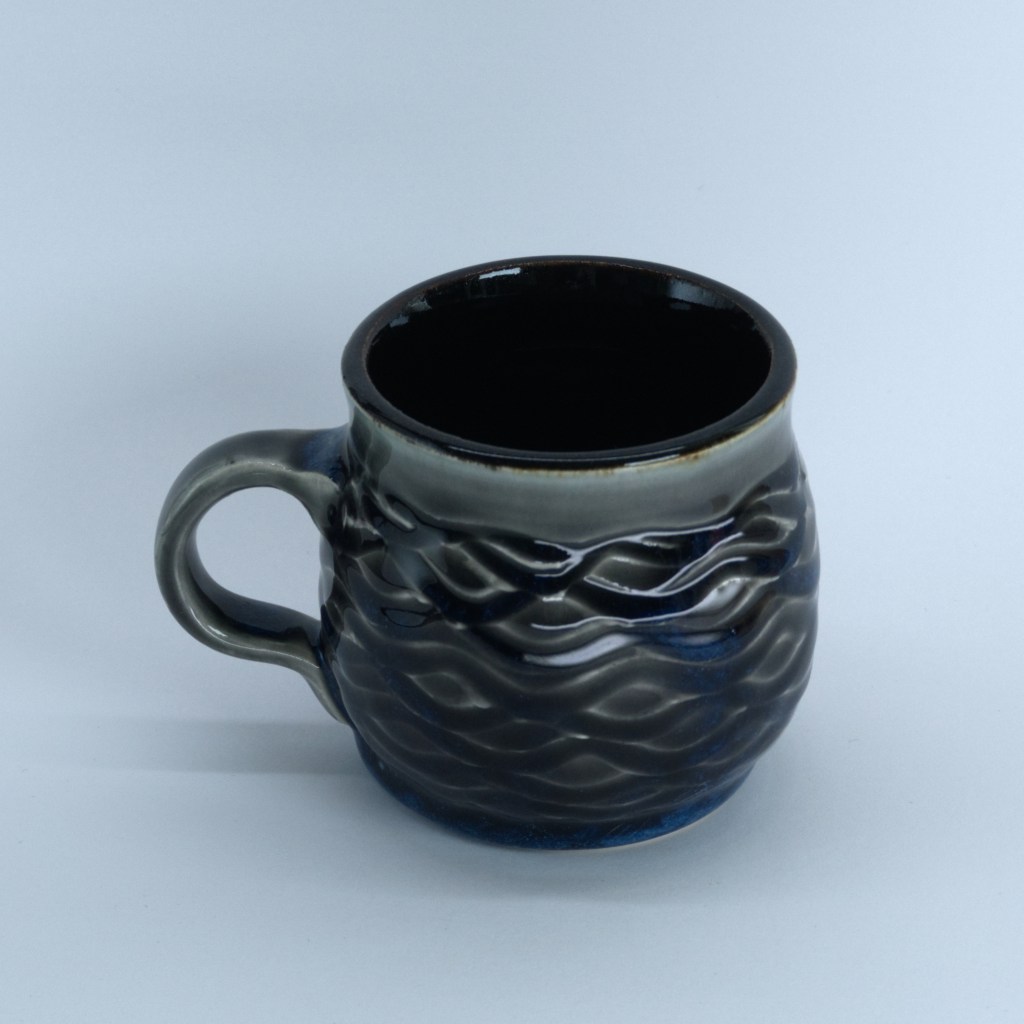
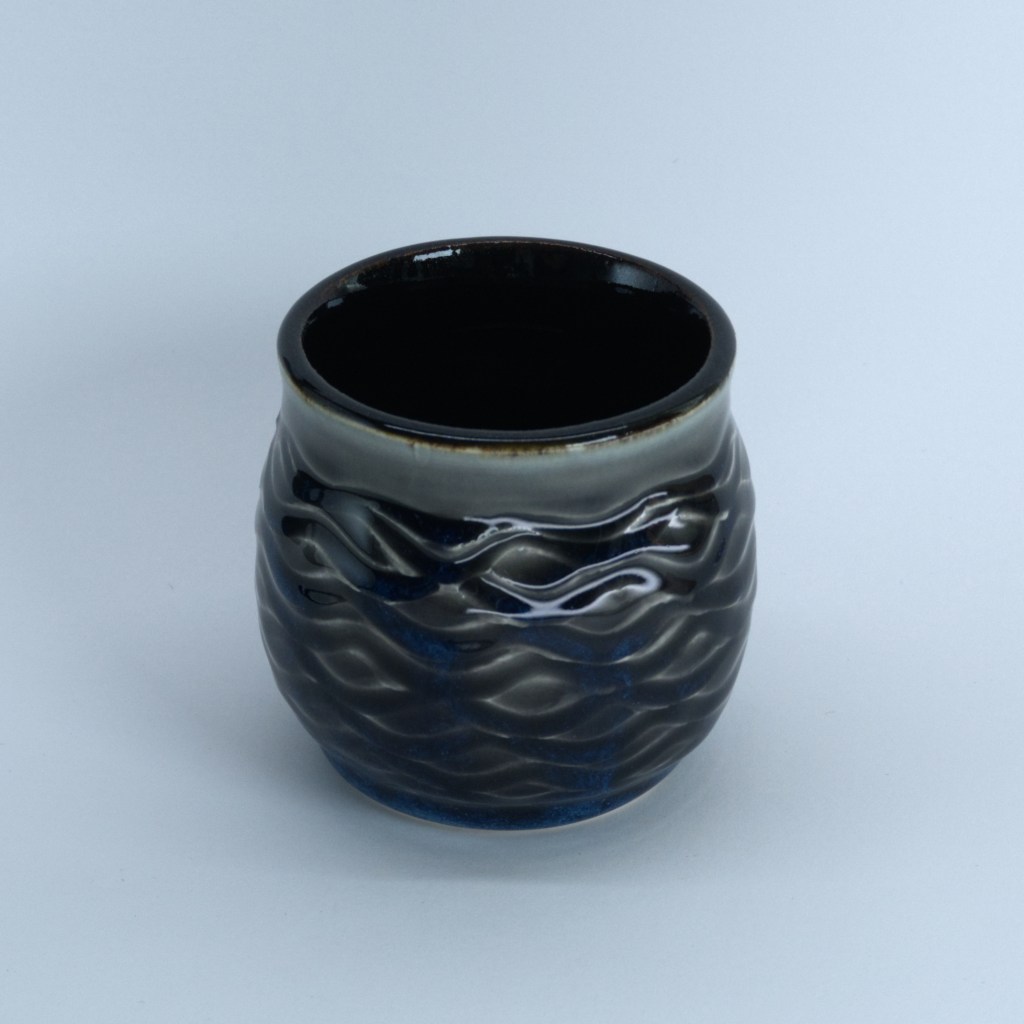
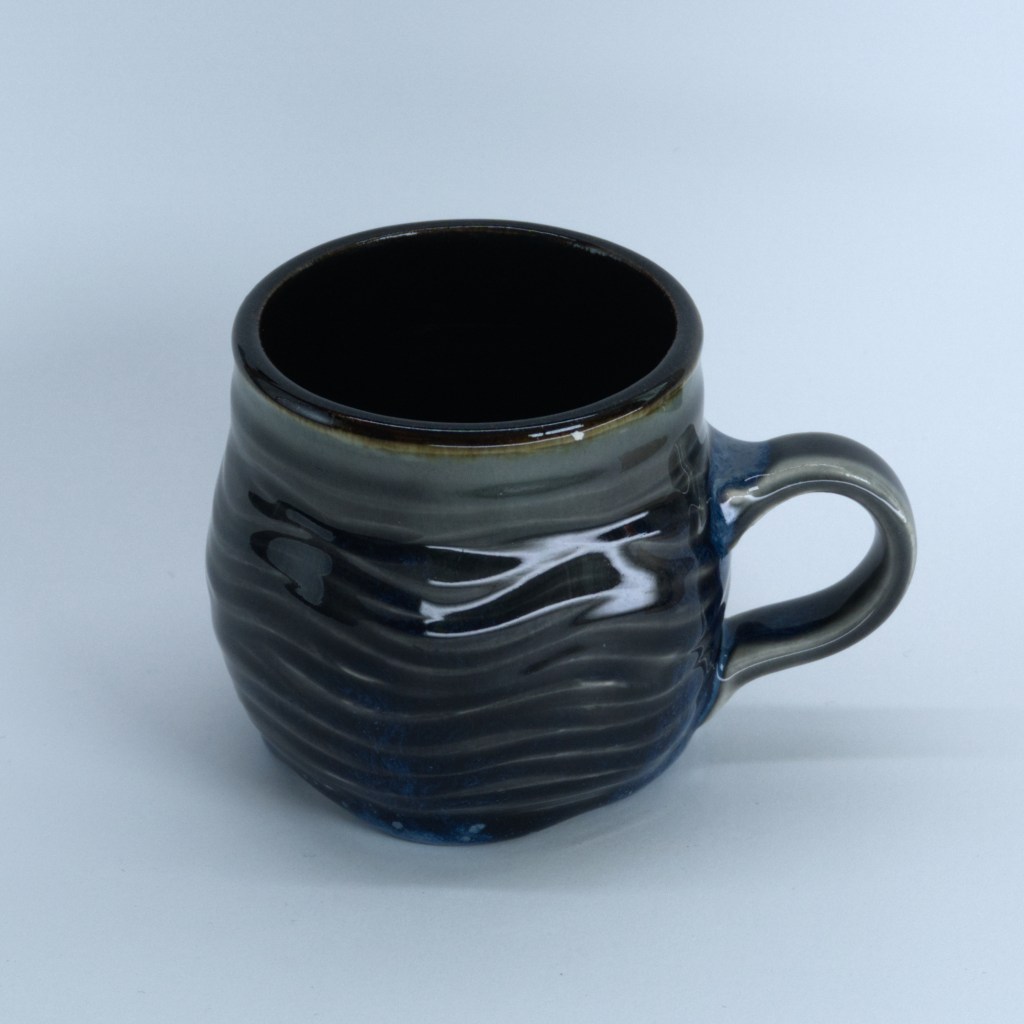
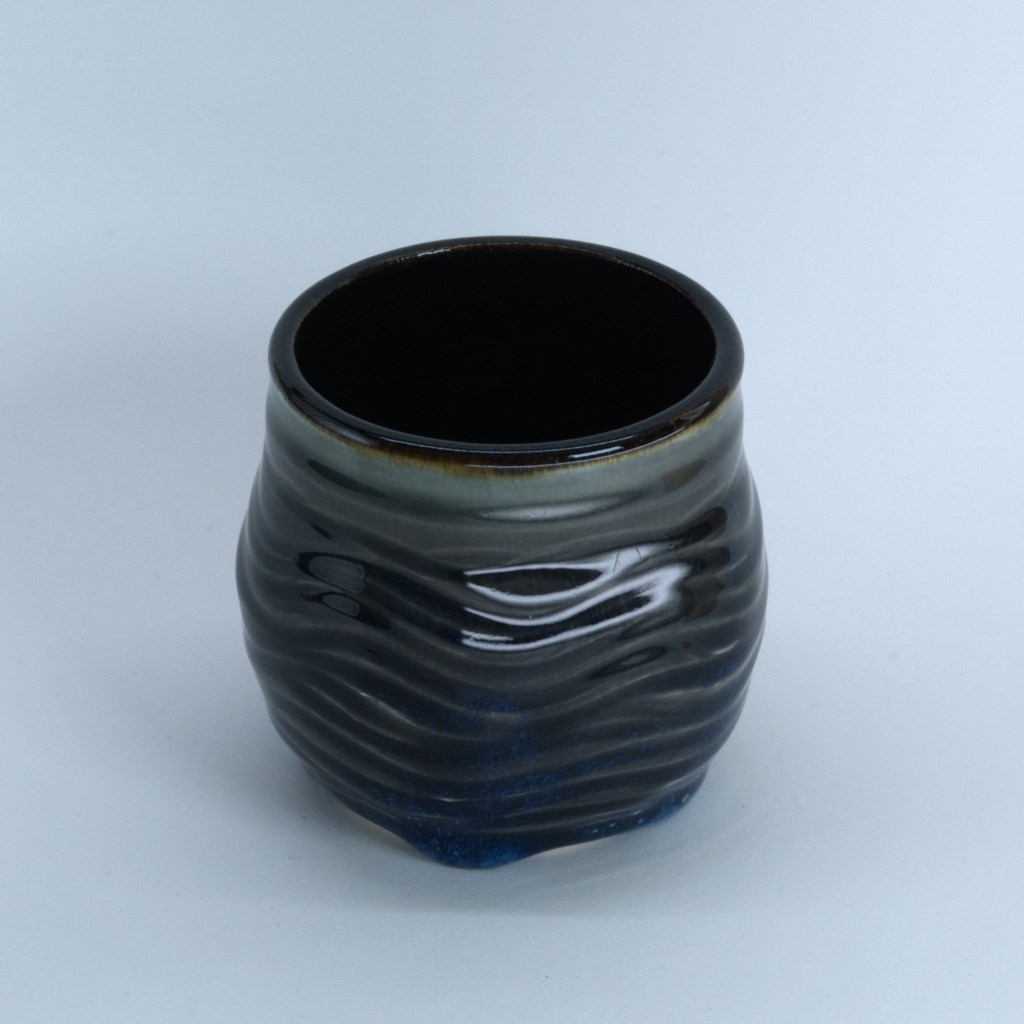
Cobalt Blue
Lattice Series
Description:
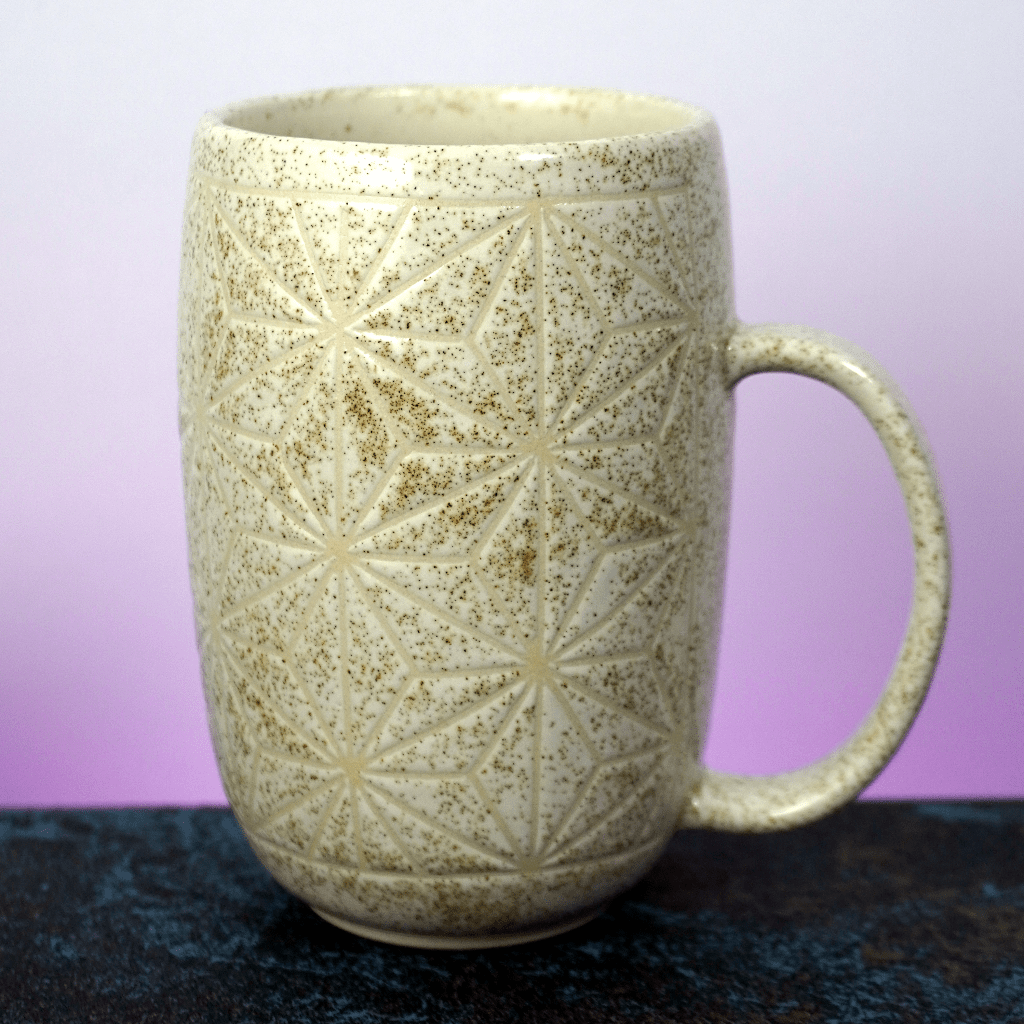
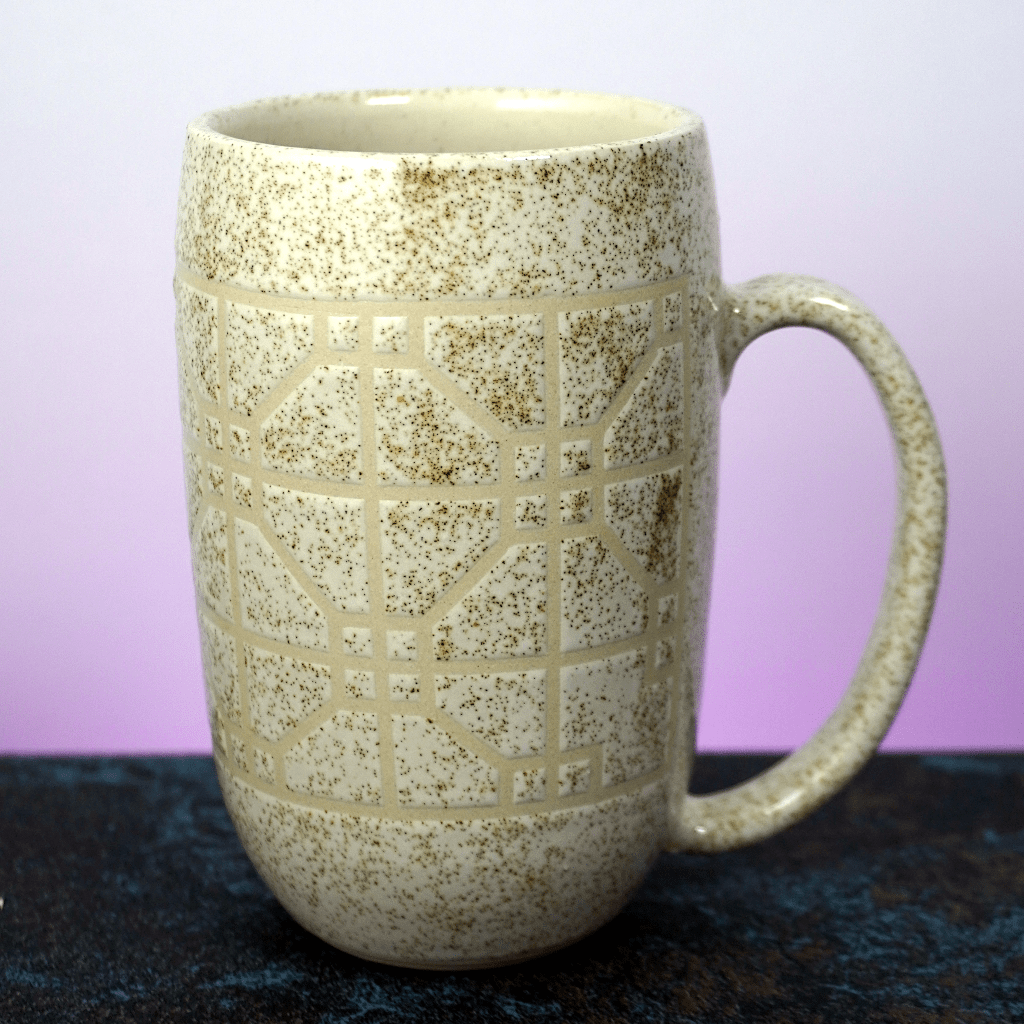
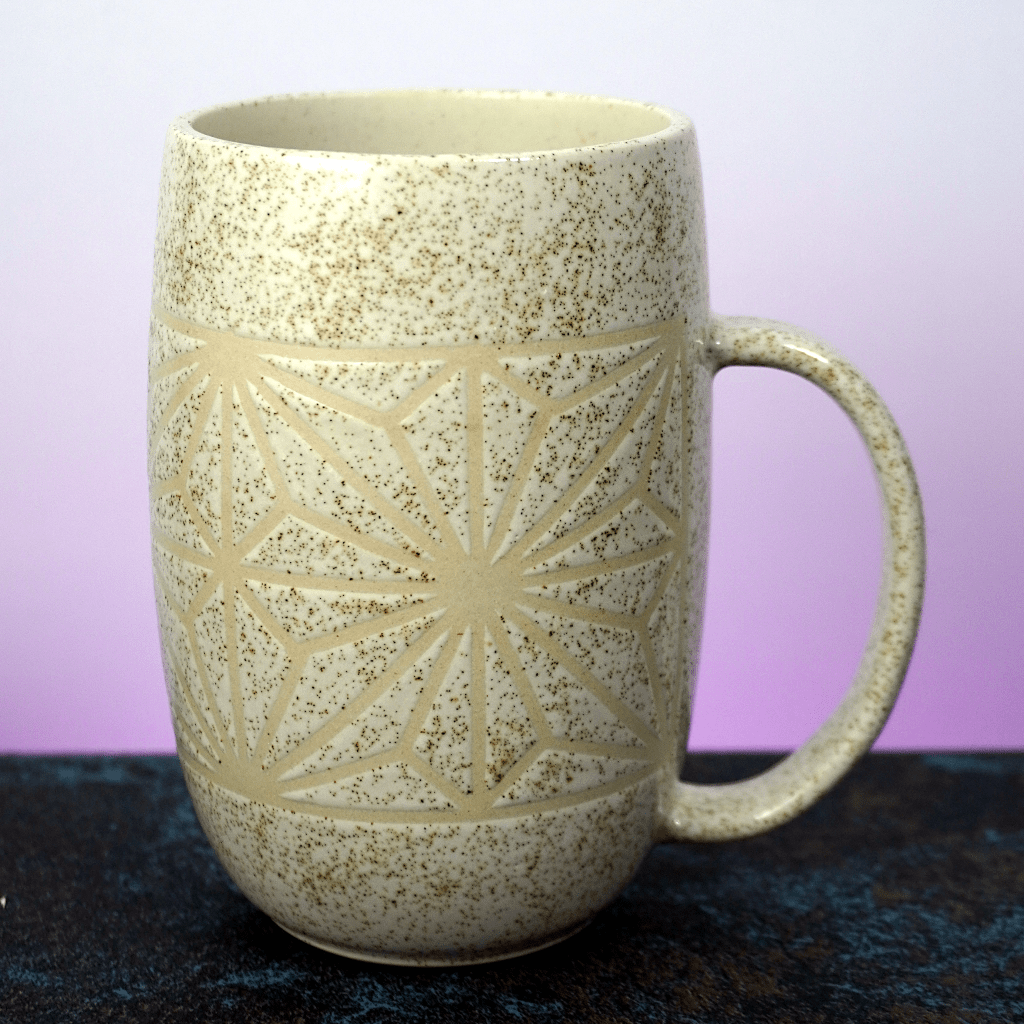
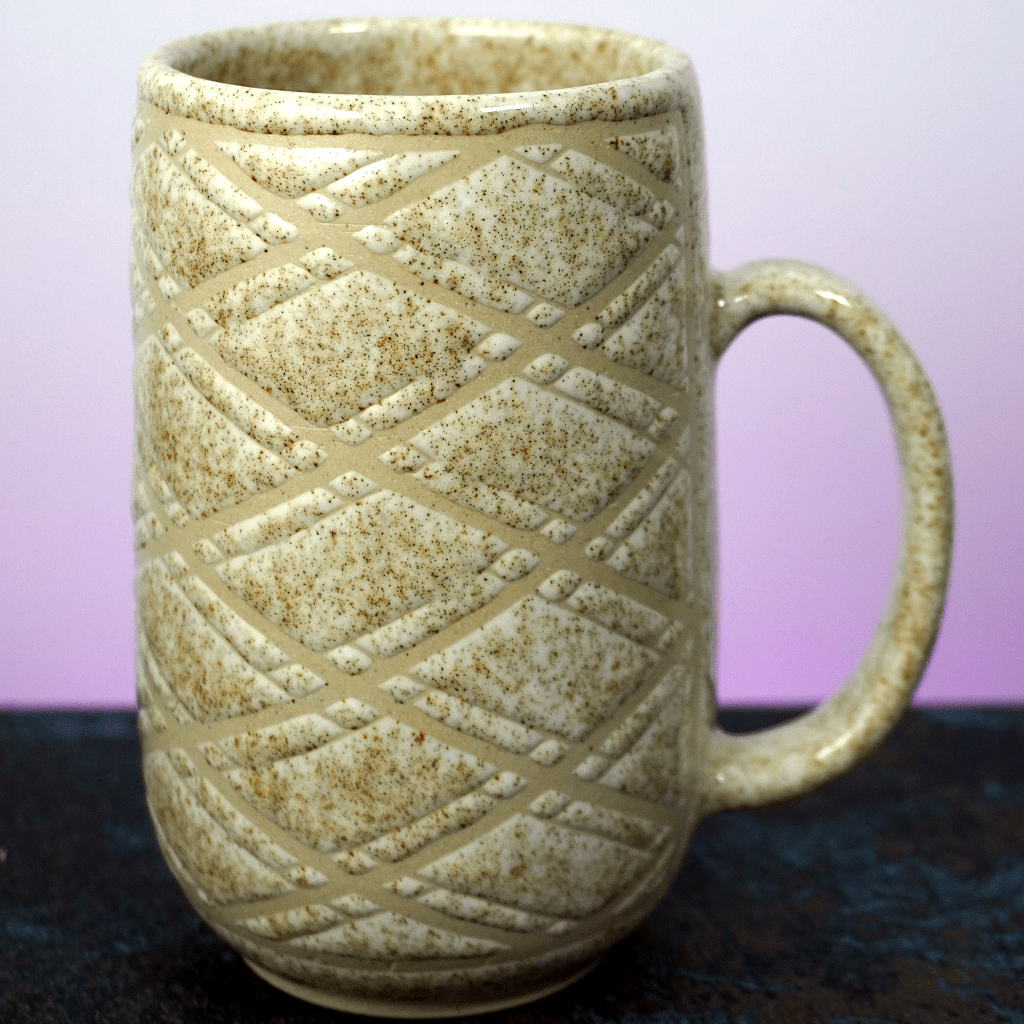
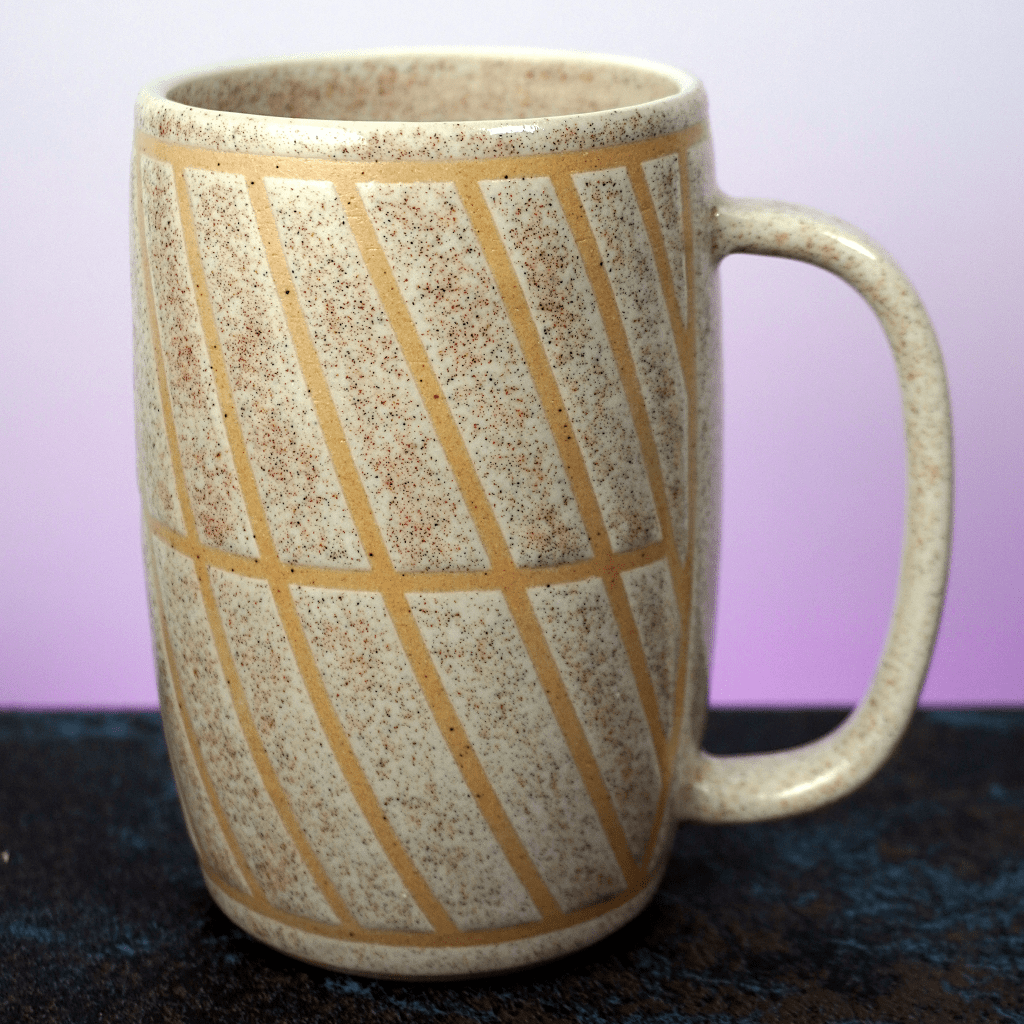
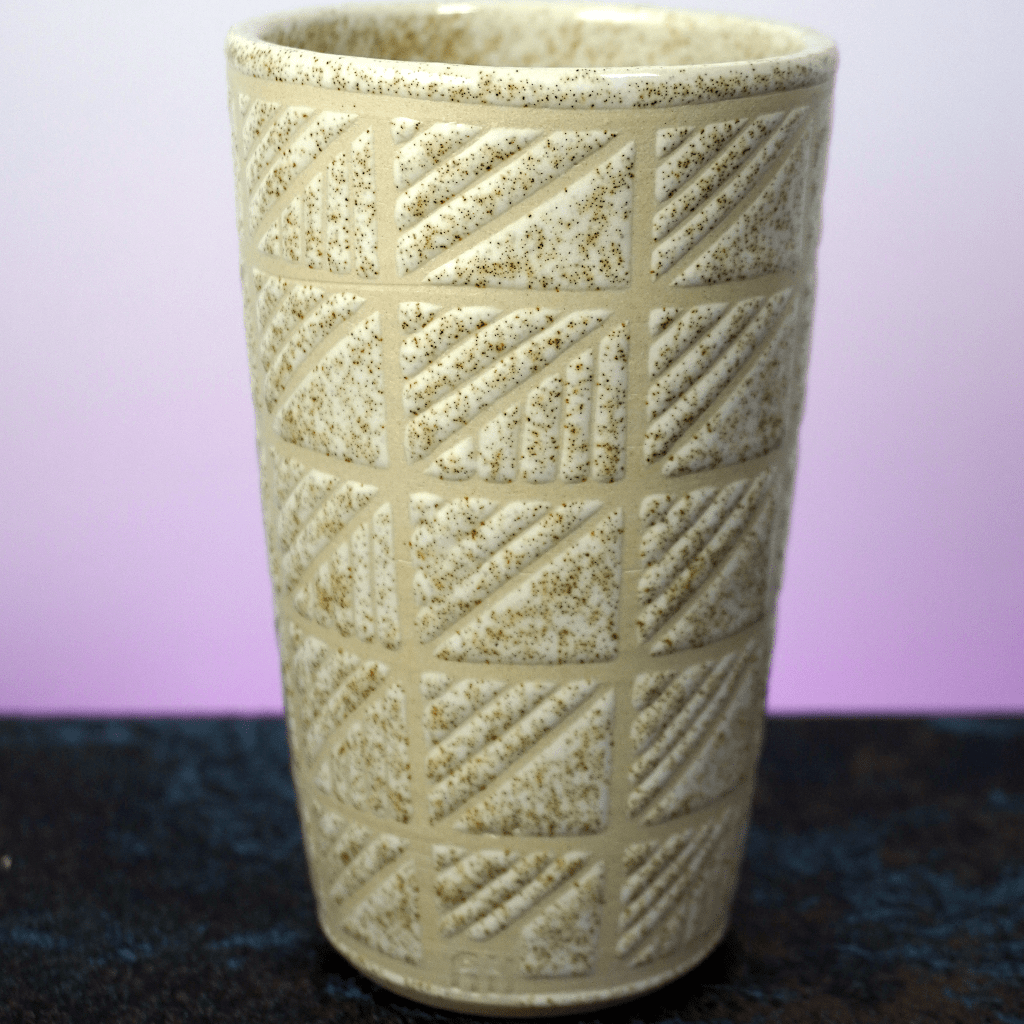
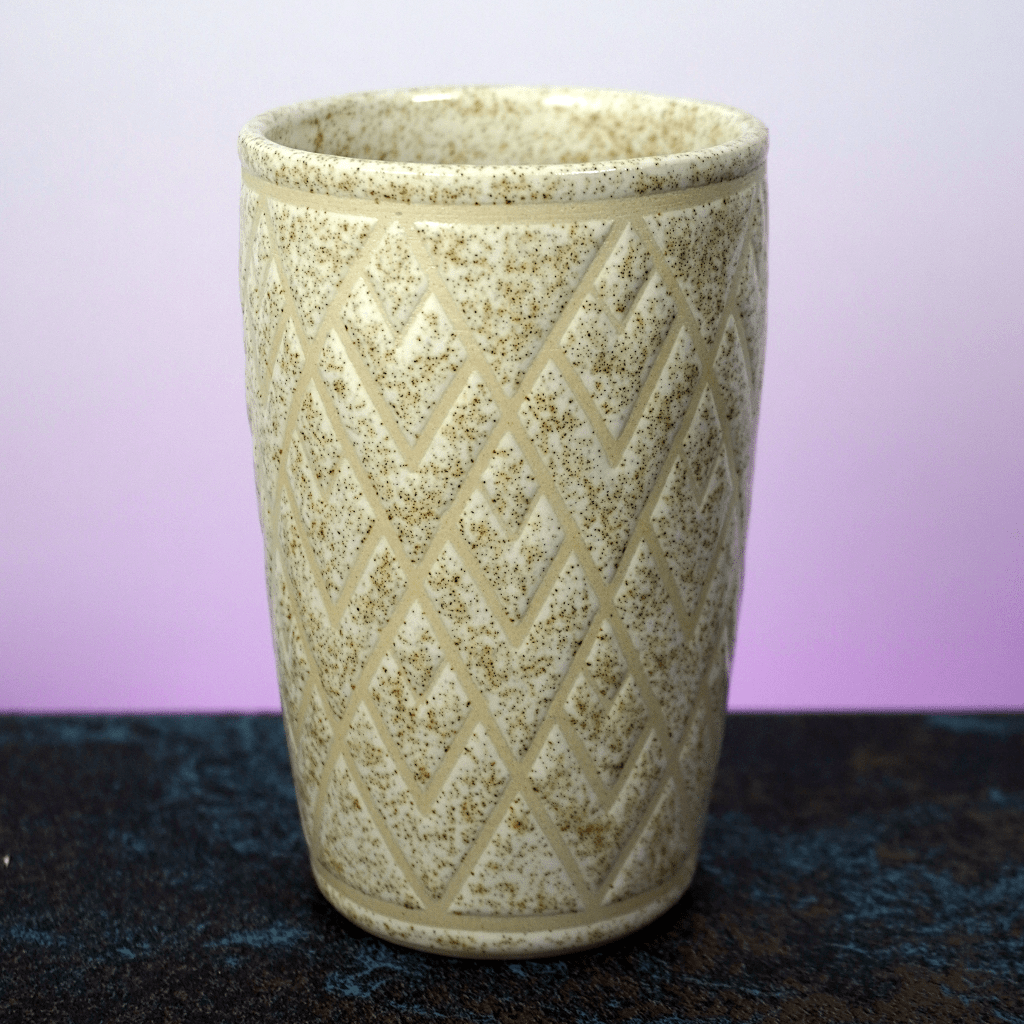
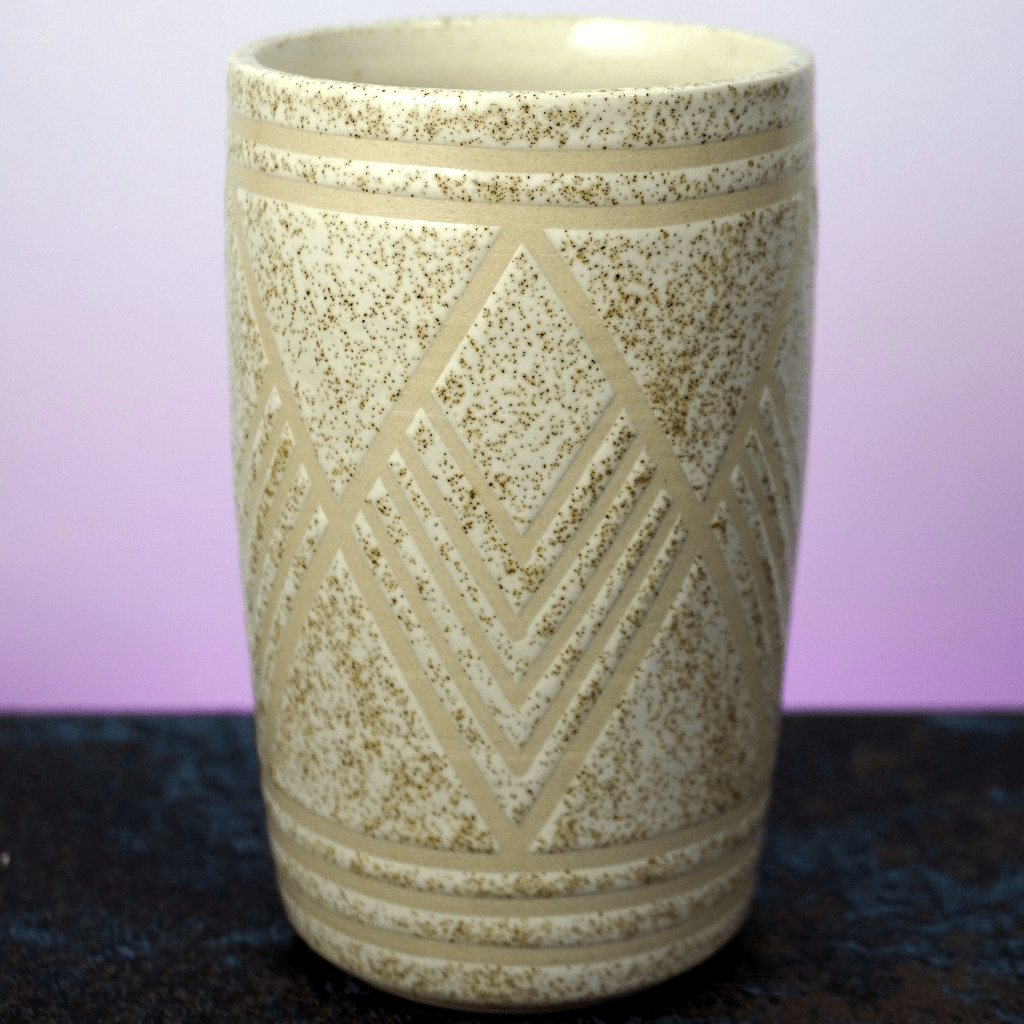
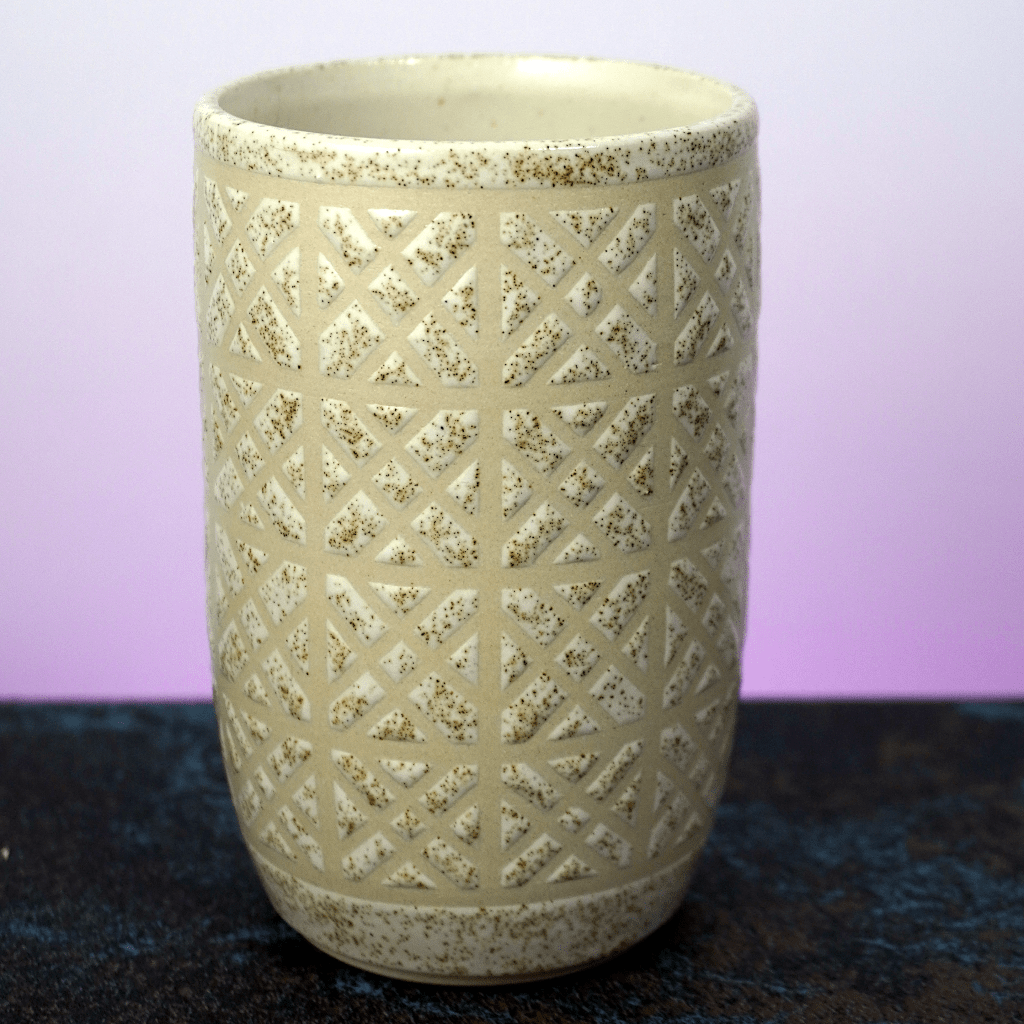
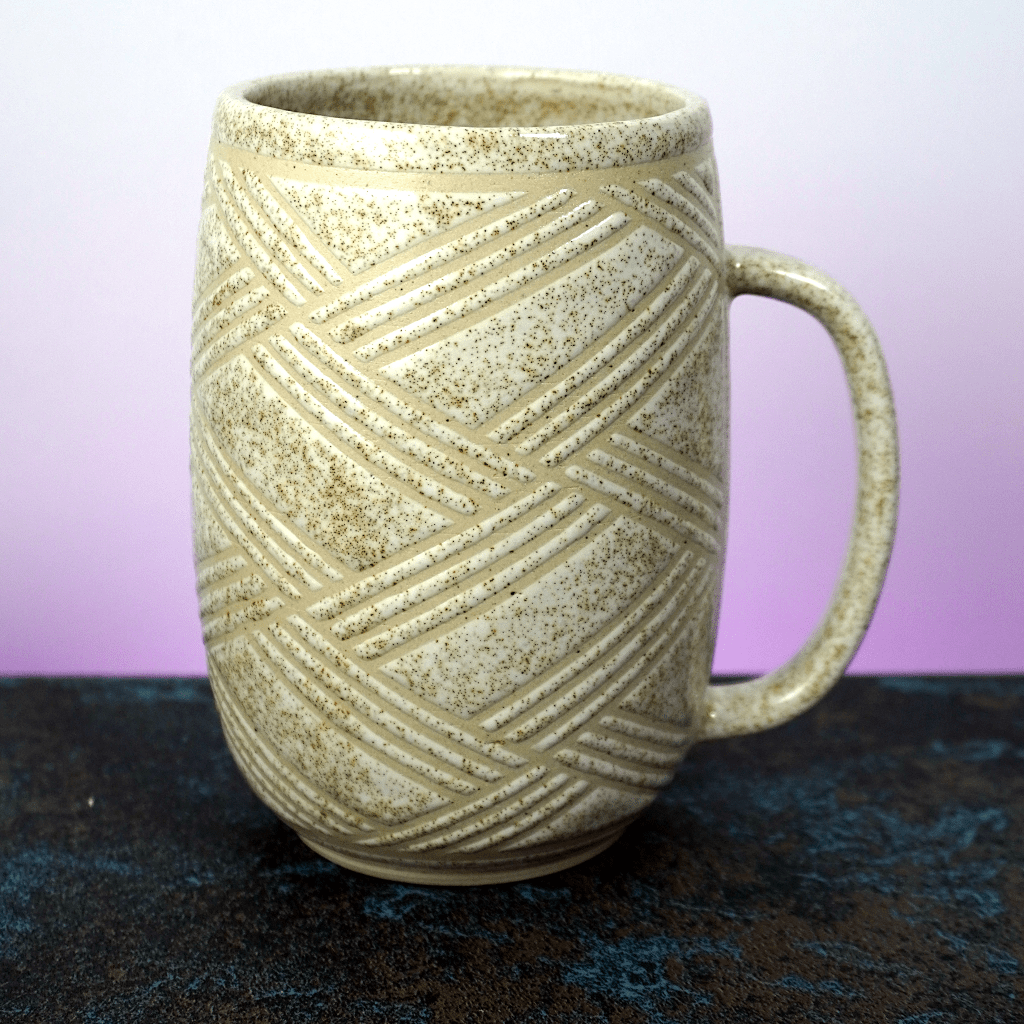
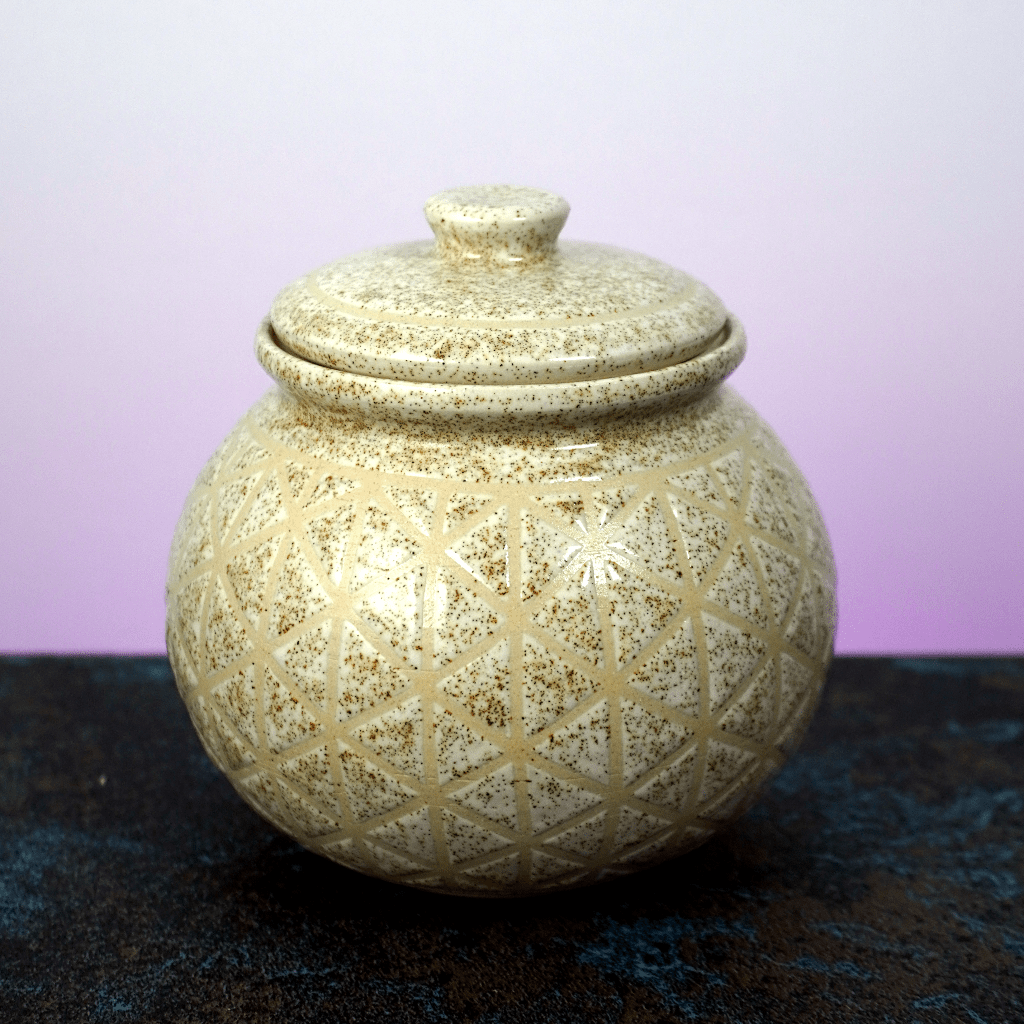
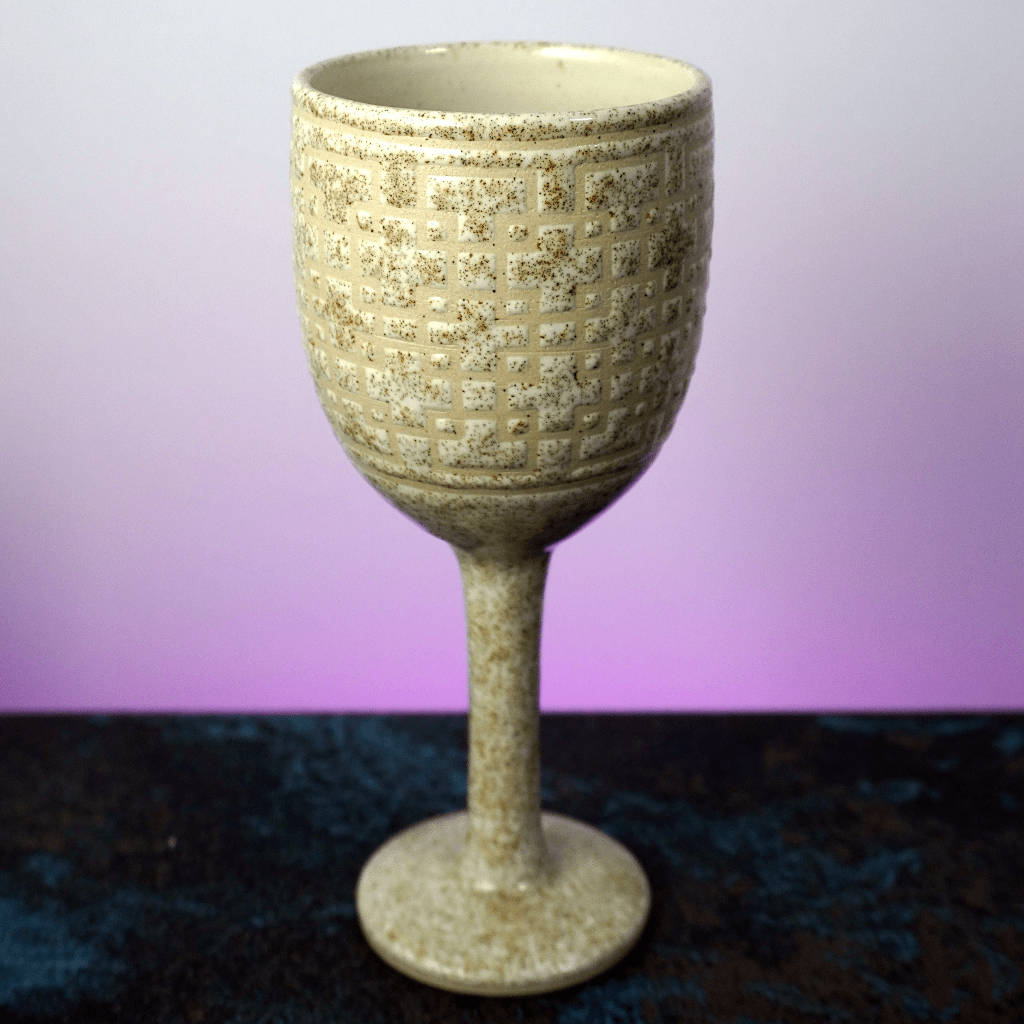
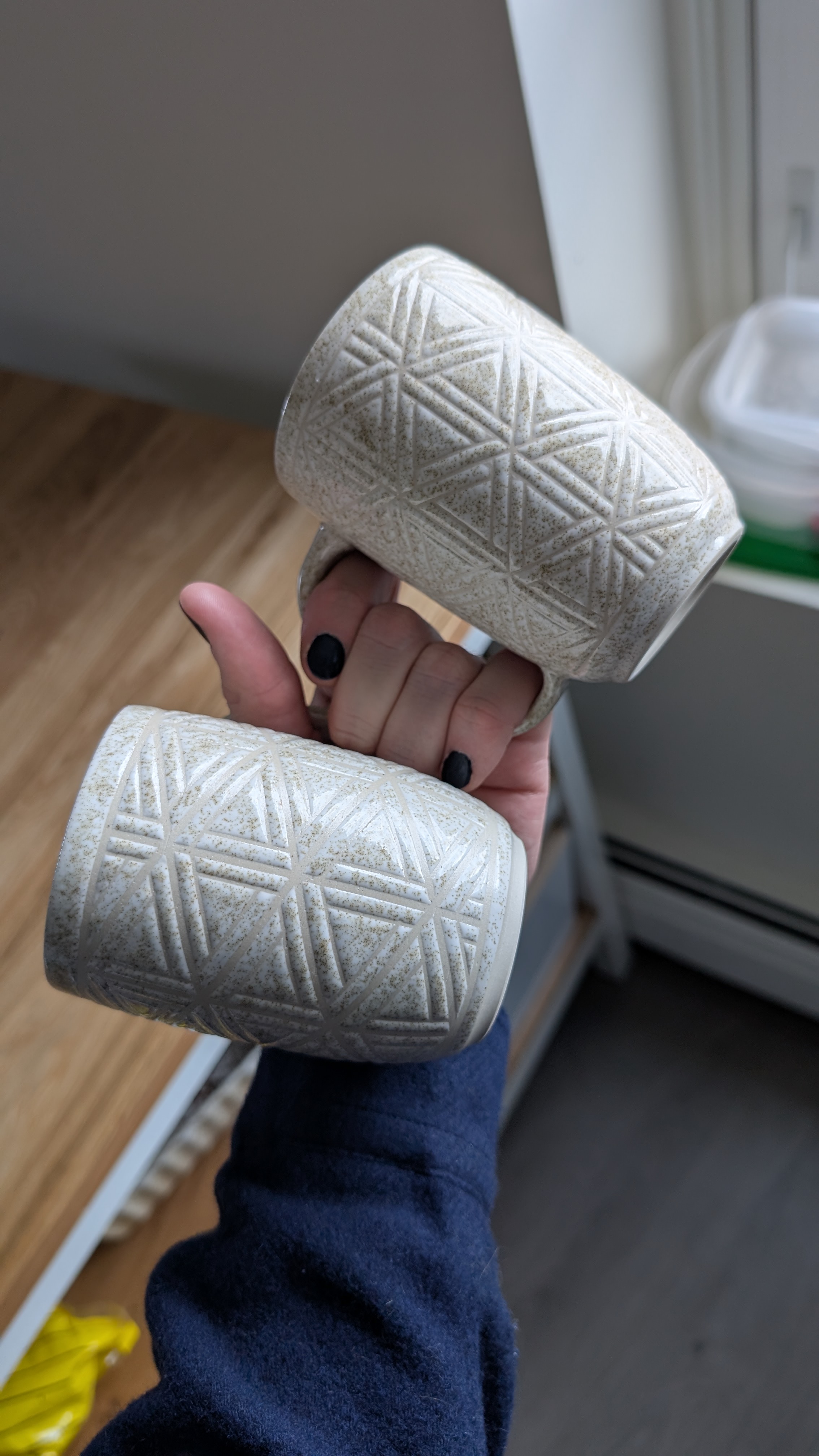
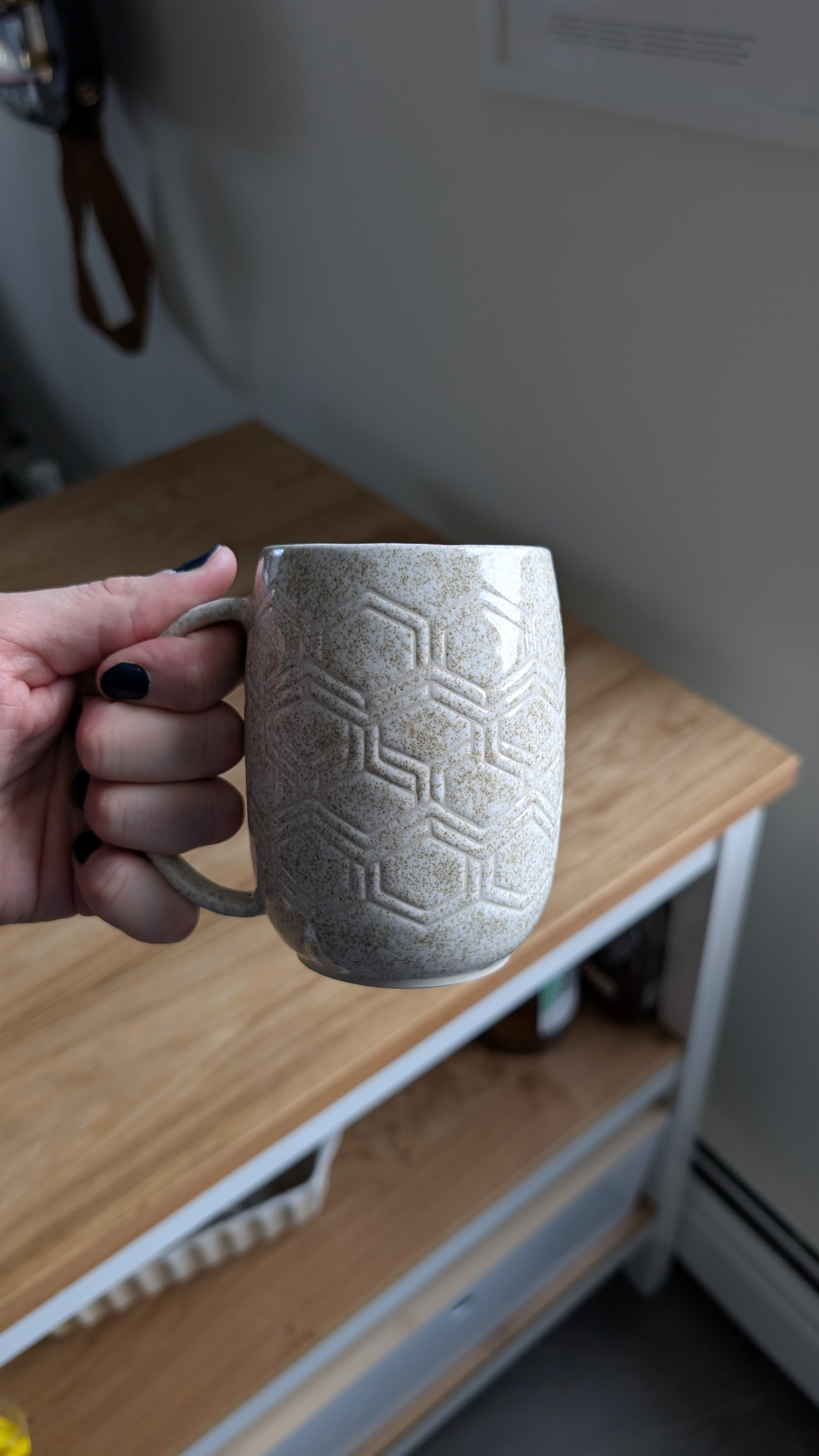
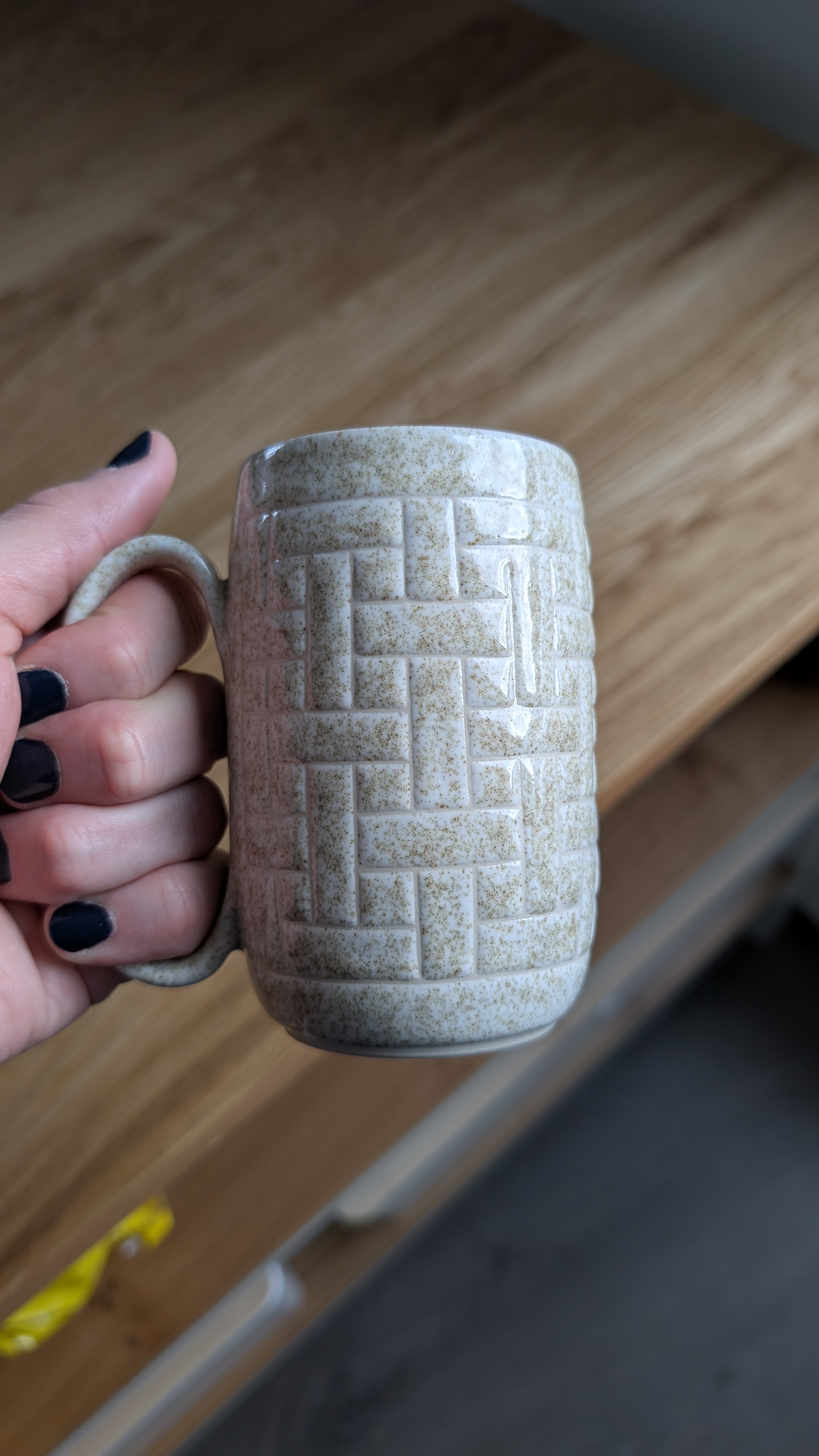
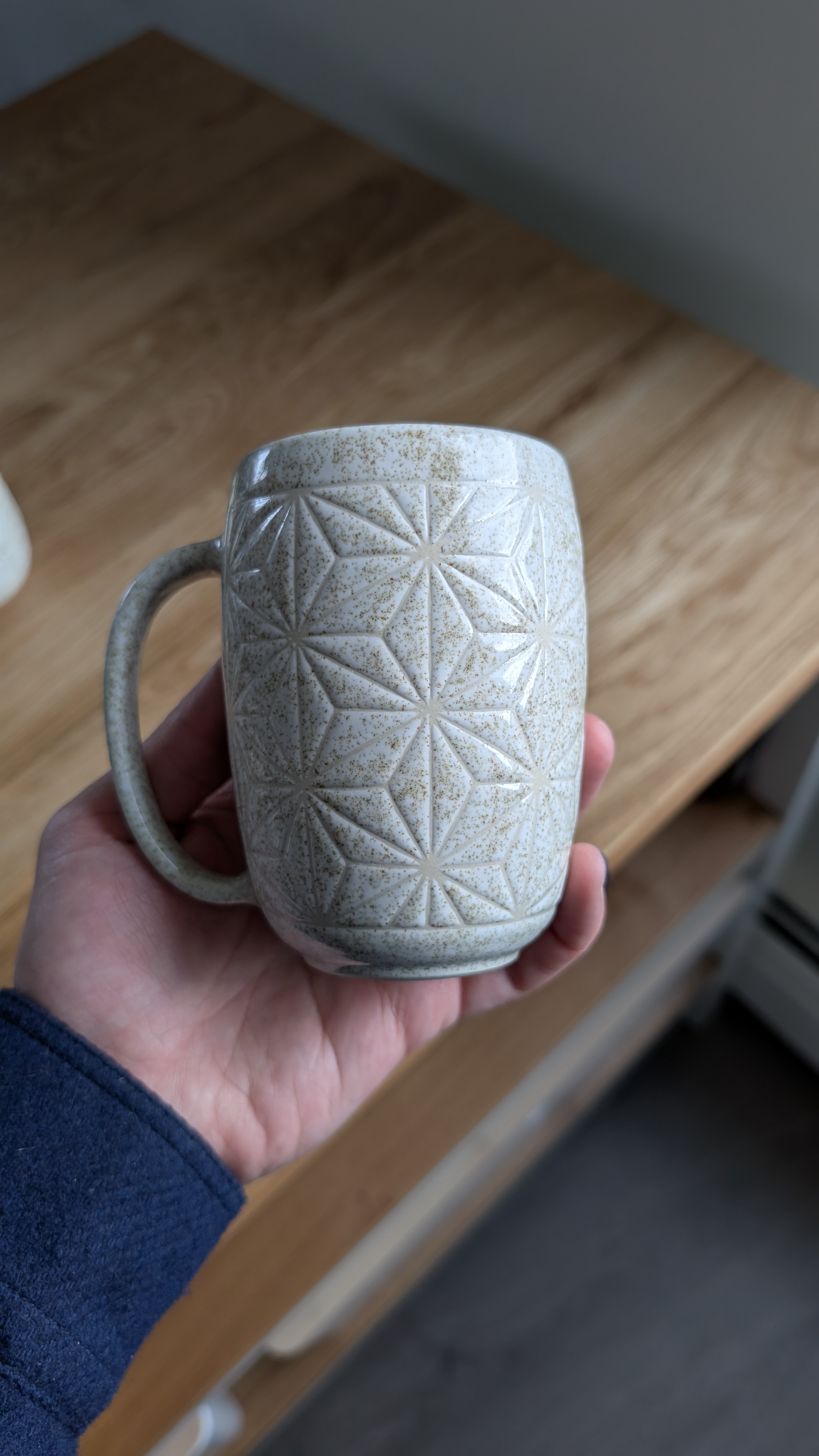
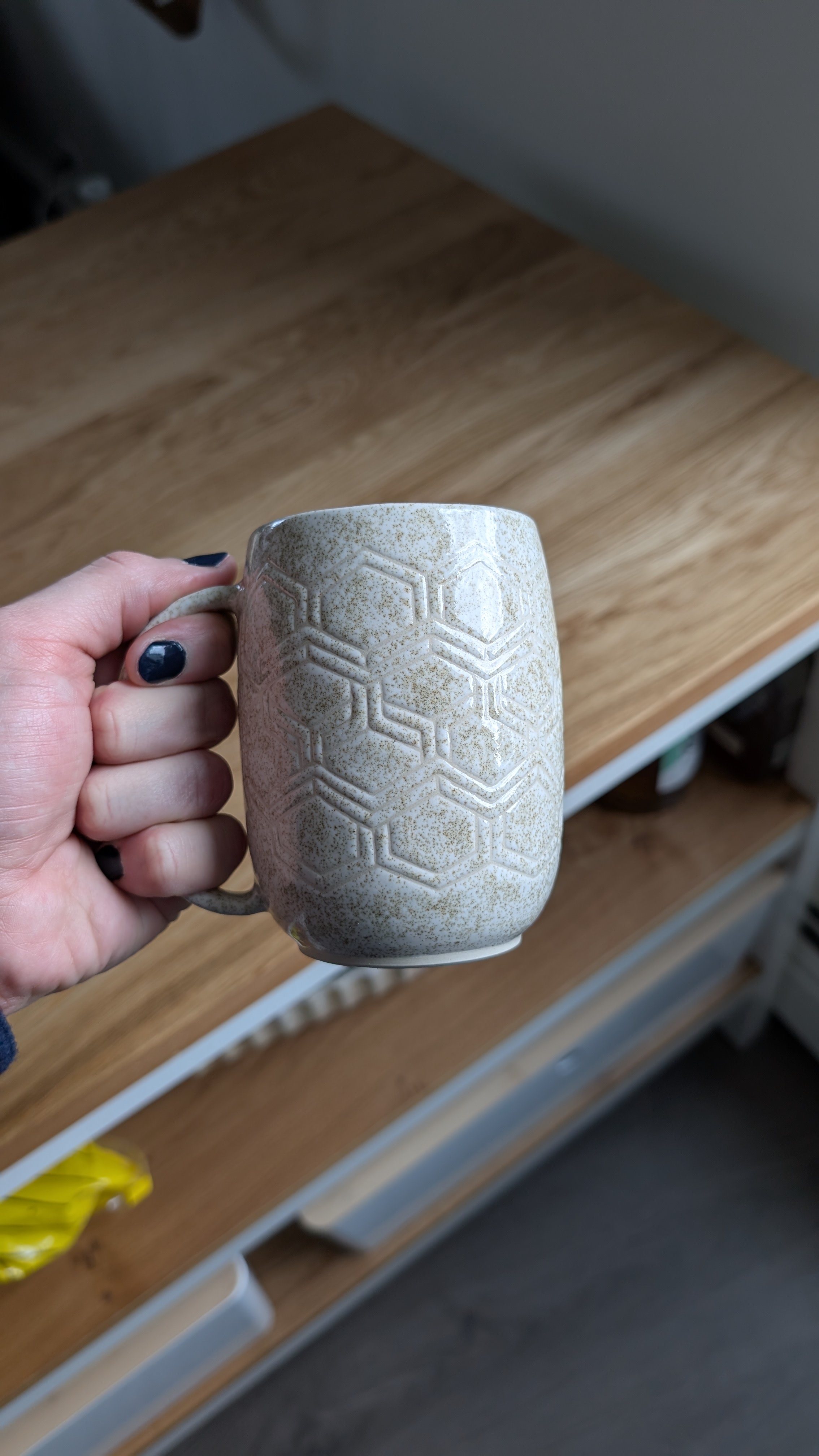
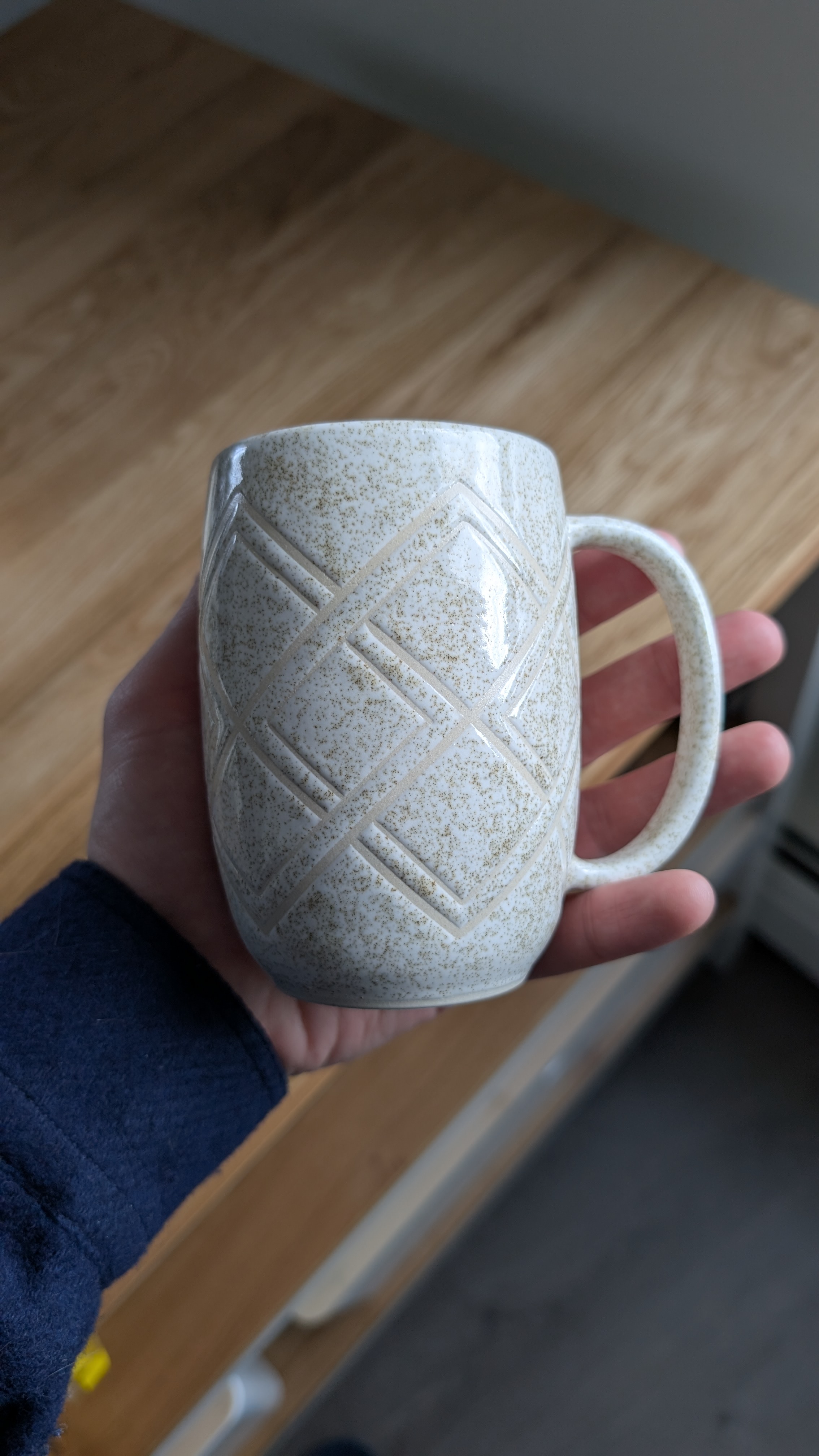
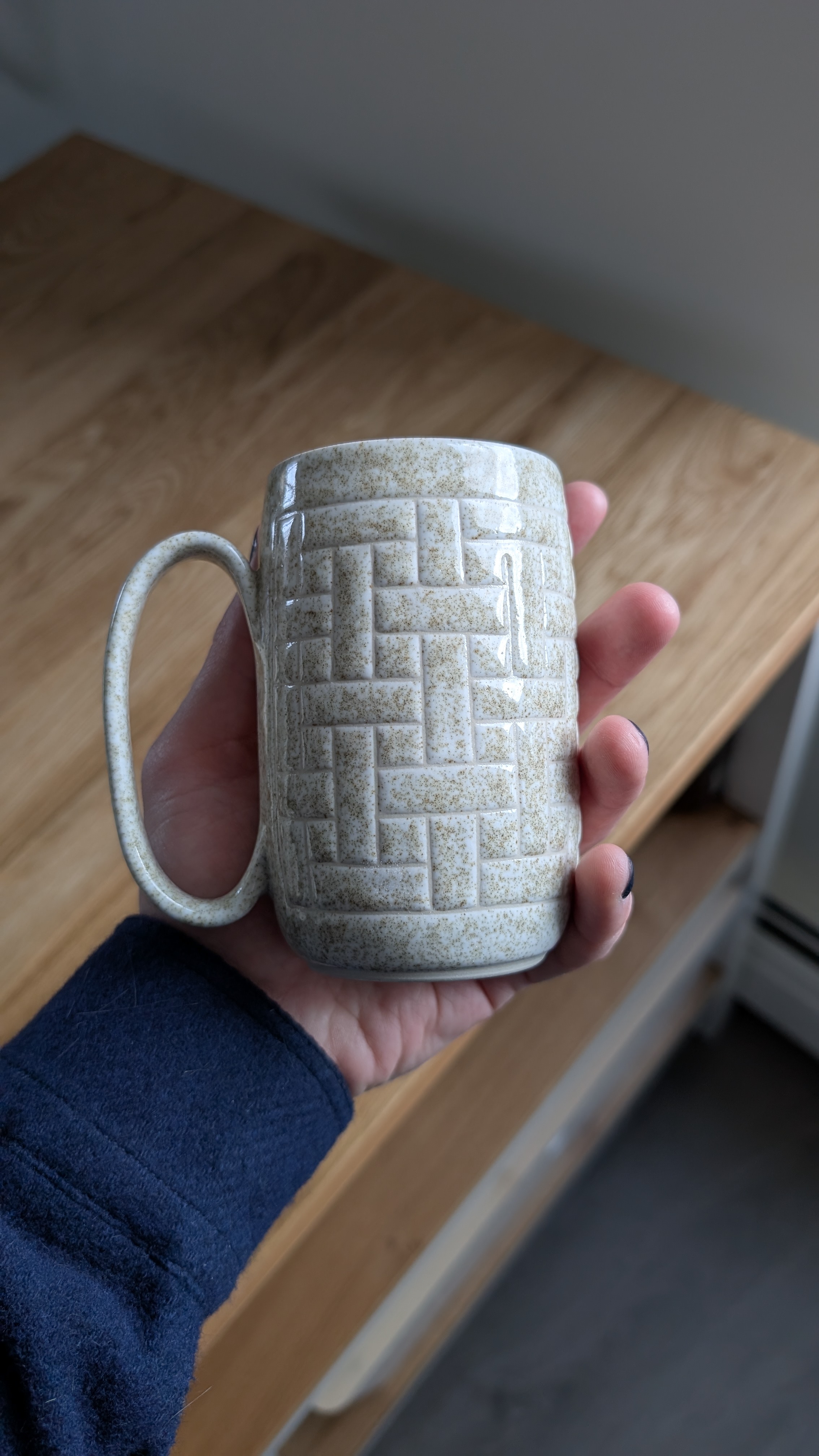
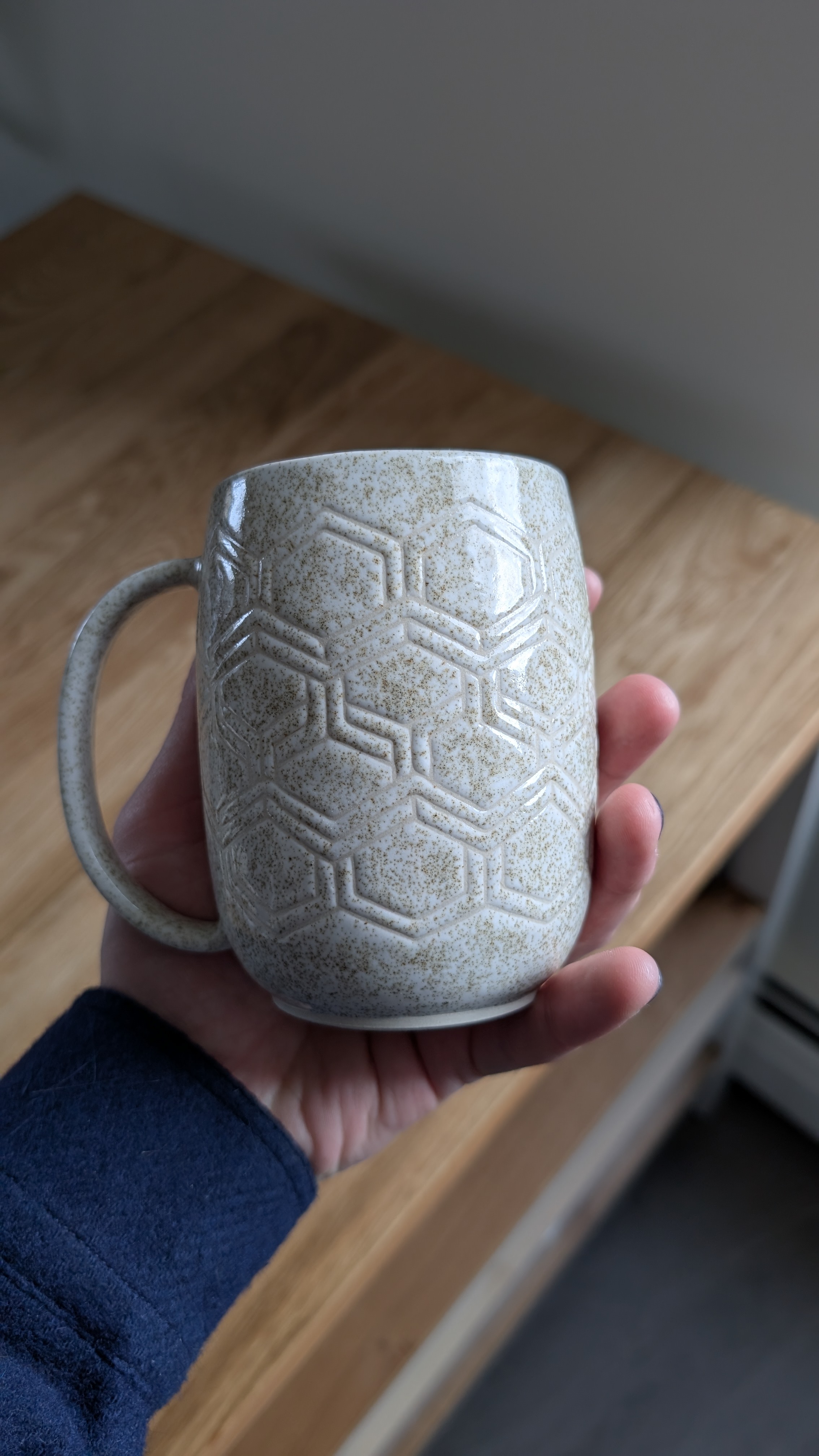
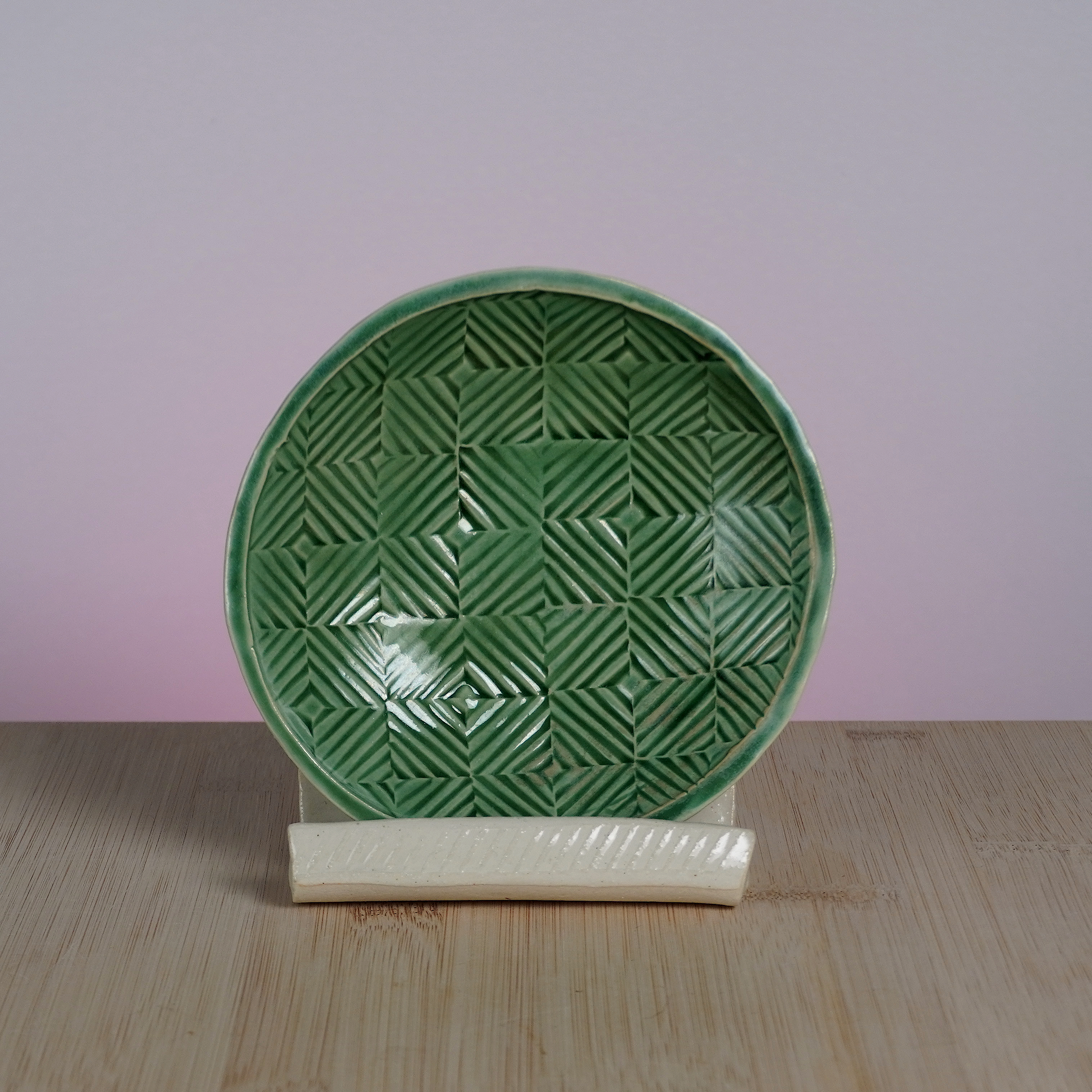
The Lattice Series emerged from a desire to explore surface decoration. I have long been drawn to tessellations and geometric art, but these patterns often felt too onerous to explore with the methods available to me. However, I found that tape resist worked well with lattice-based patterns, built from longer, straight lines.
As these works developed, I recognized a connection to Kumiko, a Japanese woodworking technique traditionally used in shoji screens, which also use patterns constructed from lattice structures augmented by interior details (as these panels don’t use any fasteners, the lattice provides structure for their construction). Exploring grids of triangles, squares, and rectangles, I found that nearly every design I attempted already had a precedent among Kumiko craftsmen.
My work is not Kumiko: my pots do not interact with light in the same intimate way, and my process and medium are fundamentally different. Yet I cannot ignore the inspiration I draw from a culture I admire but do not belong to. I struggle to acknowledge this fact while continuing to want these pieces to be my own expression of my love through art. “Surely geometry belongs to everyone!,” I say to myself, but my YouTube history shows hundreds of videos of Japanese woodworking, pottery, and sumo wrestling. These pieces feel beautiful and refined, but still incomplete.
The discovery of high-quality masking tape in widths as thin as 1mm allowed me to increase the density and intricacy of the patterns. They demand patience and time, and this enforced slowing-down has become vital: an opportunity to reflect on my practice as much as to refine its surfaces.
Vertige Series
Description:
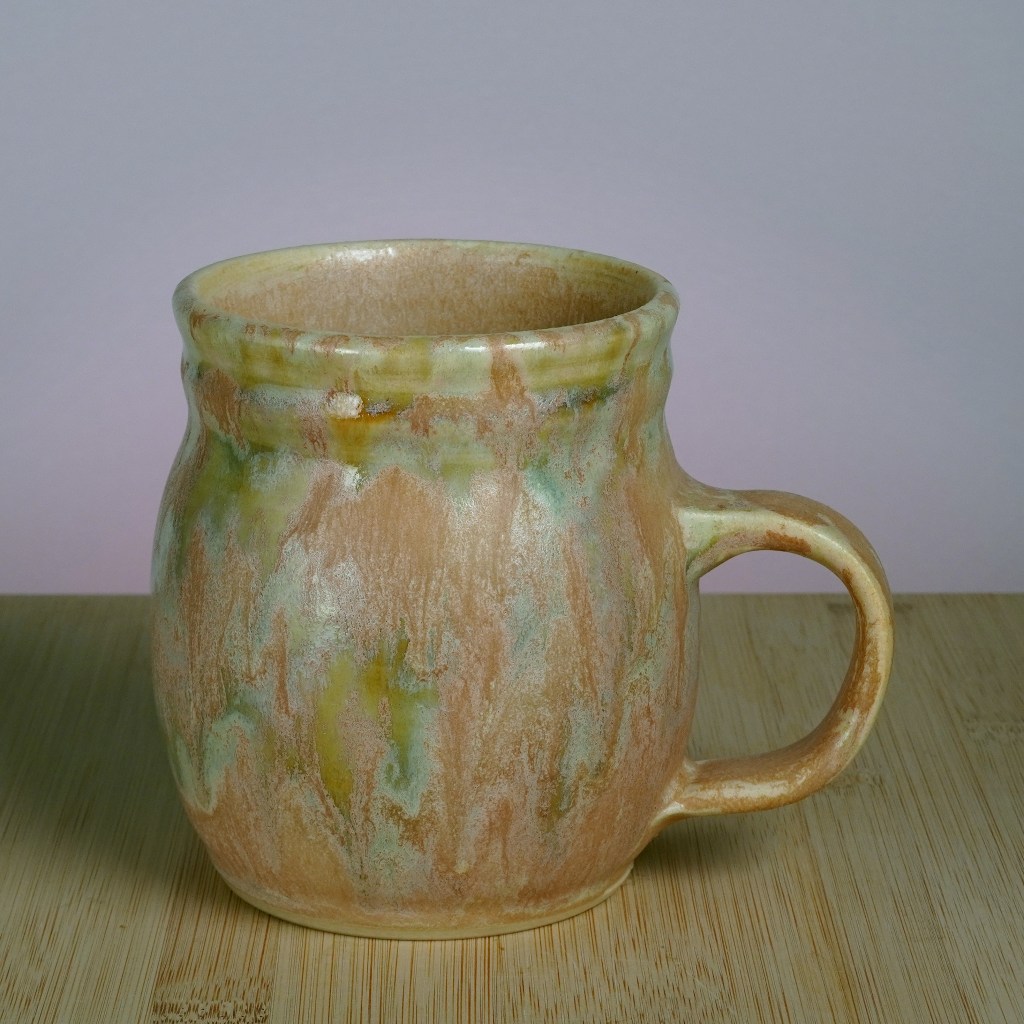
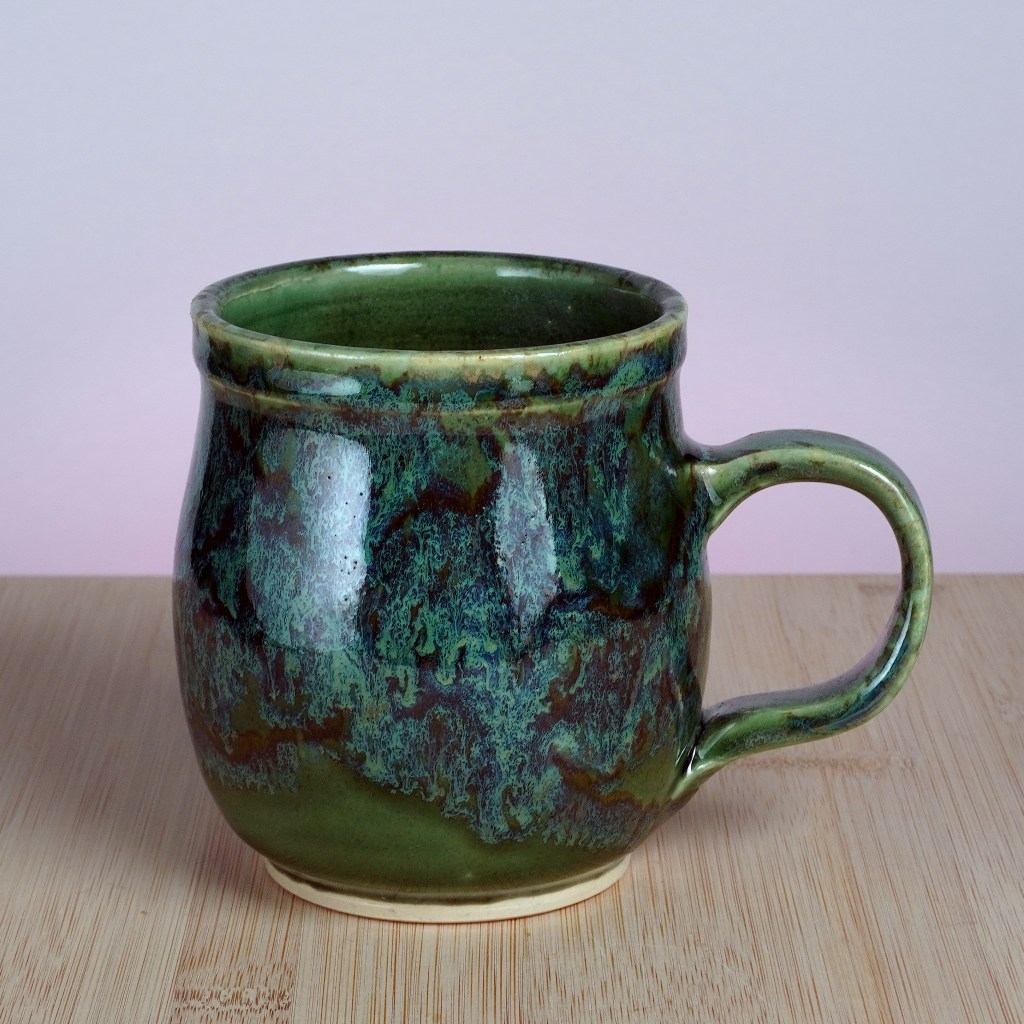
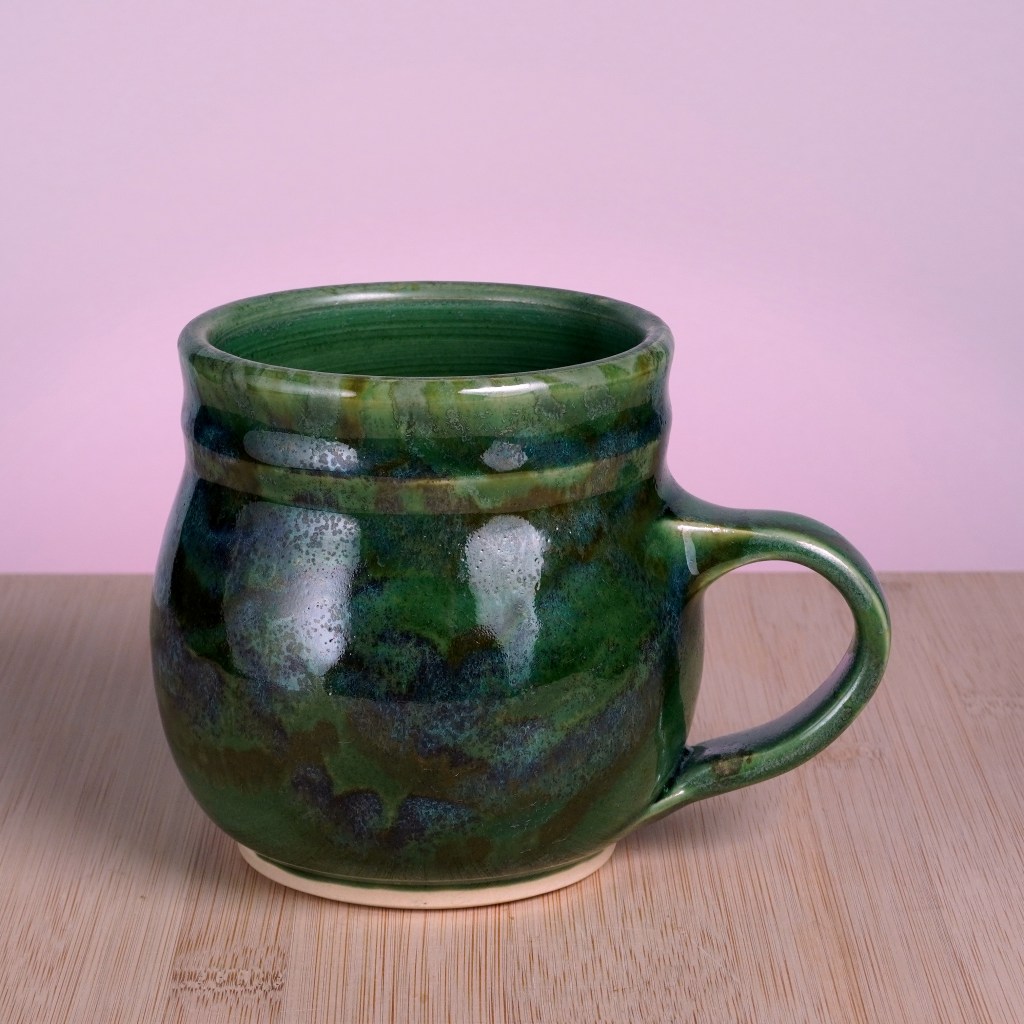
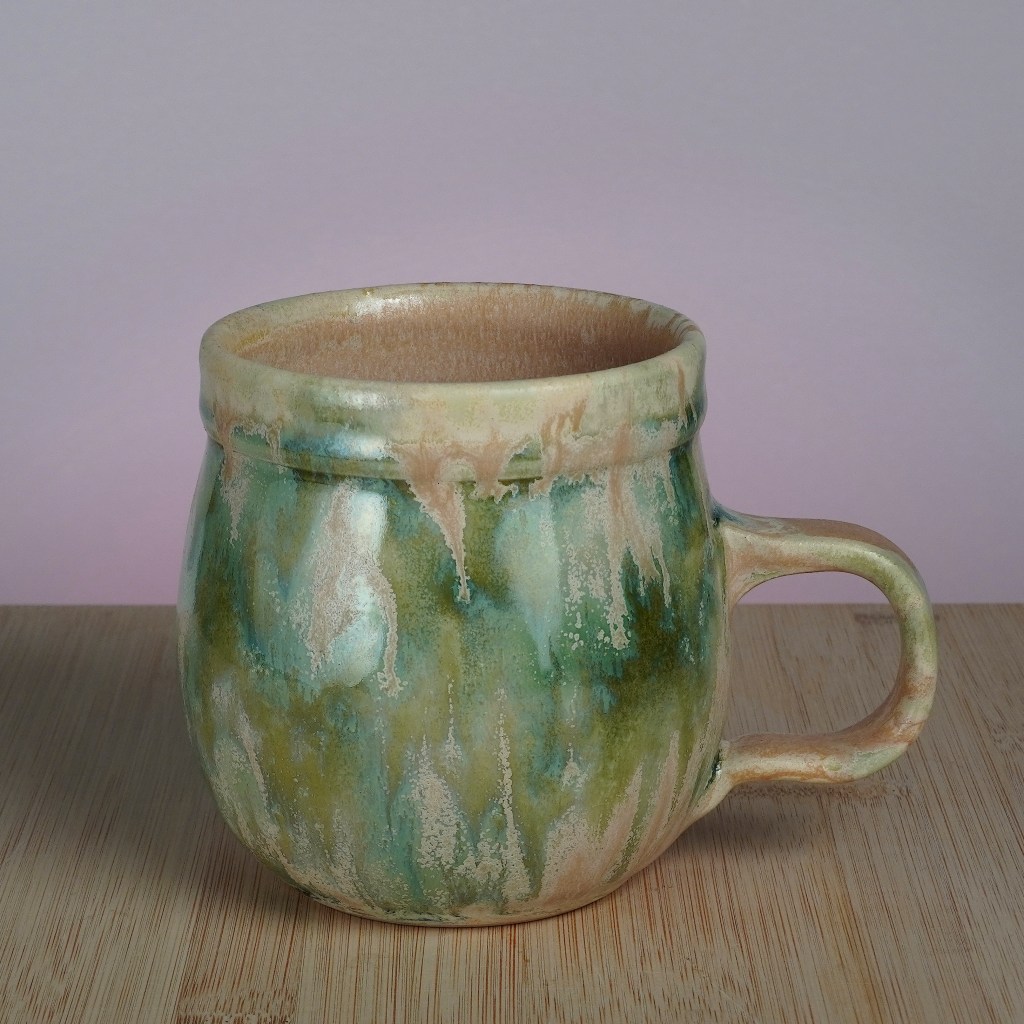
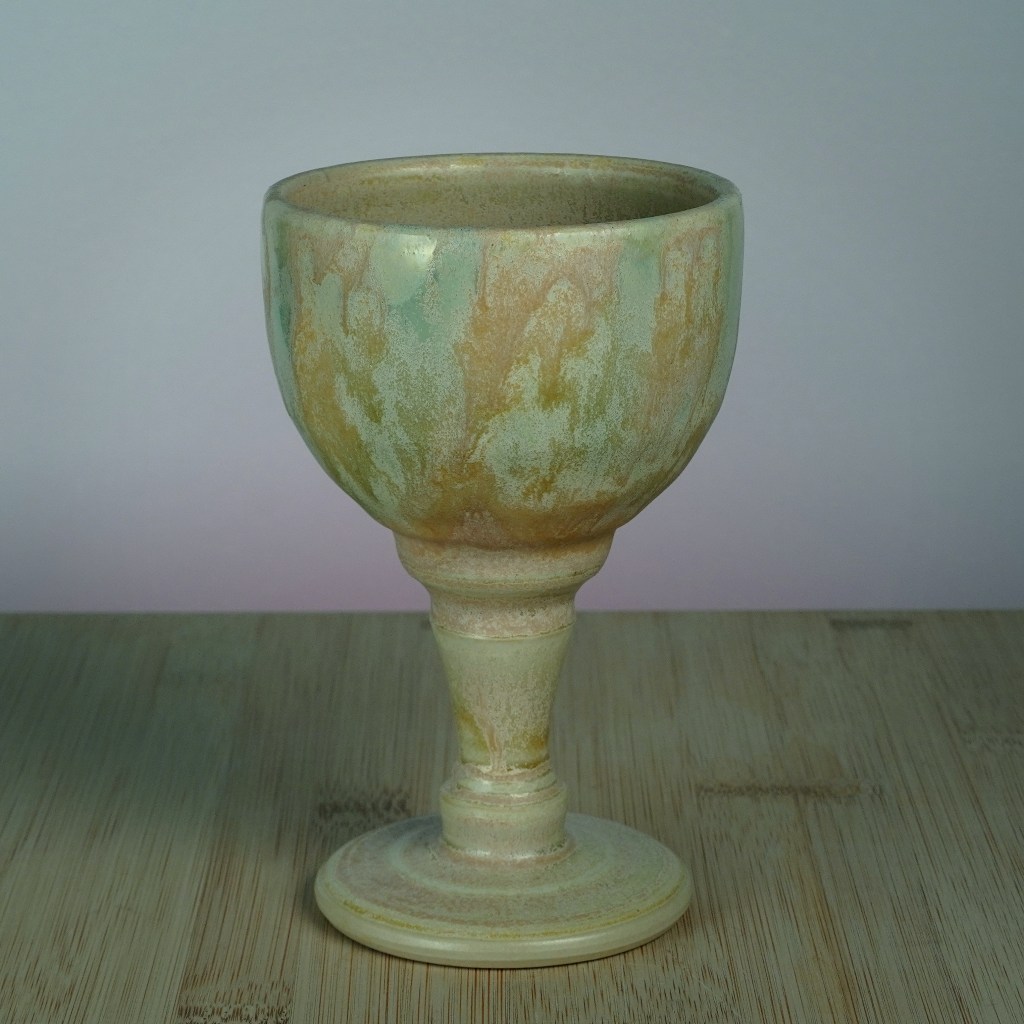
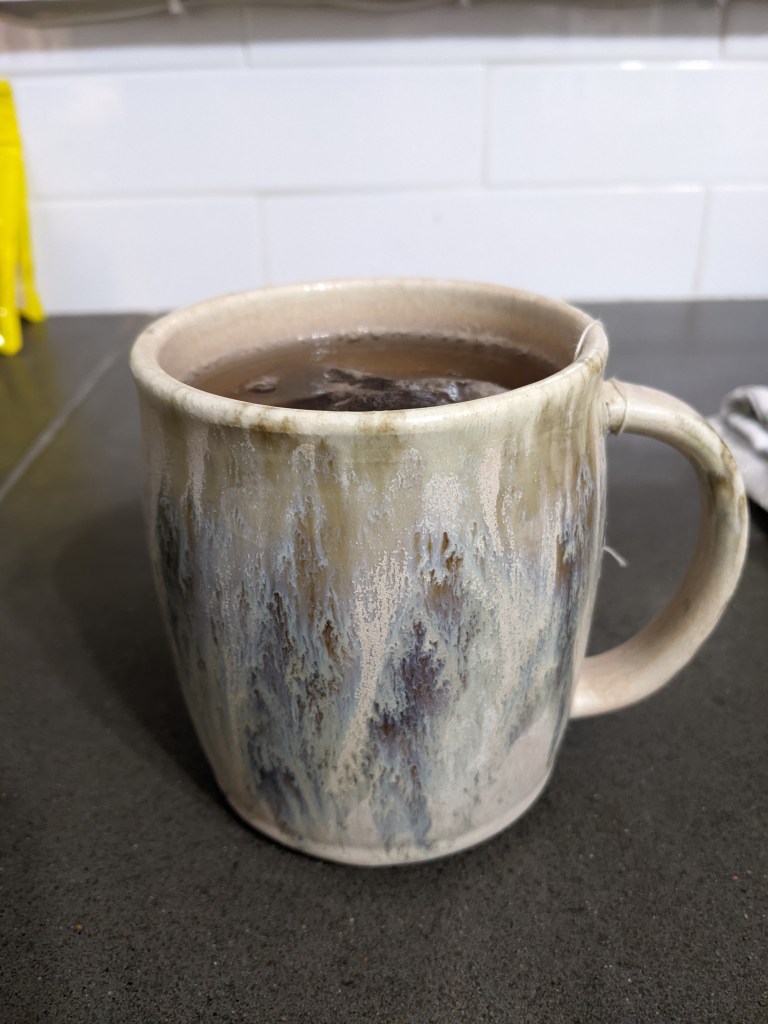
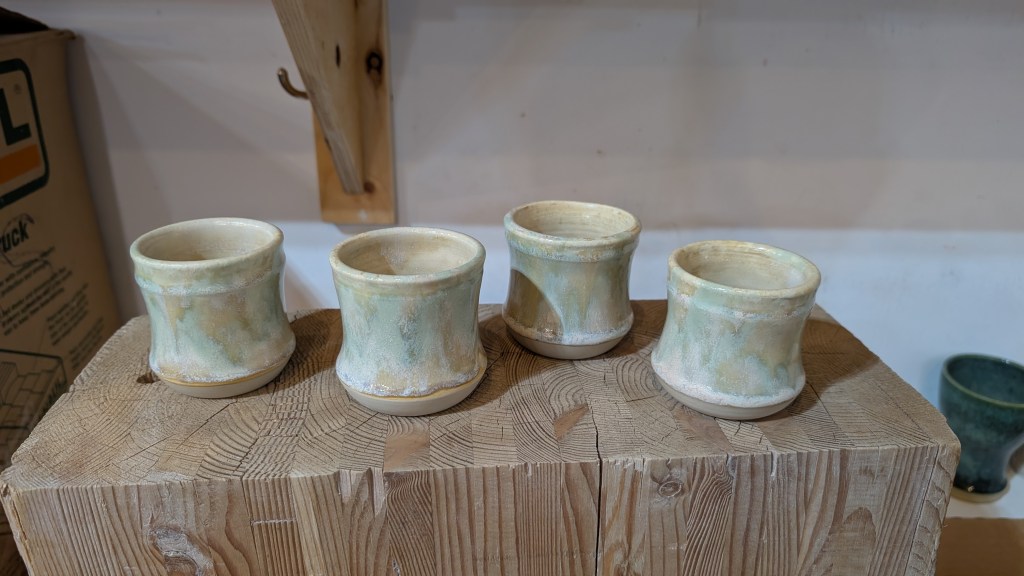
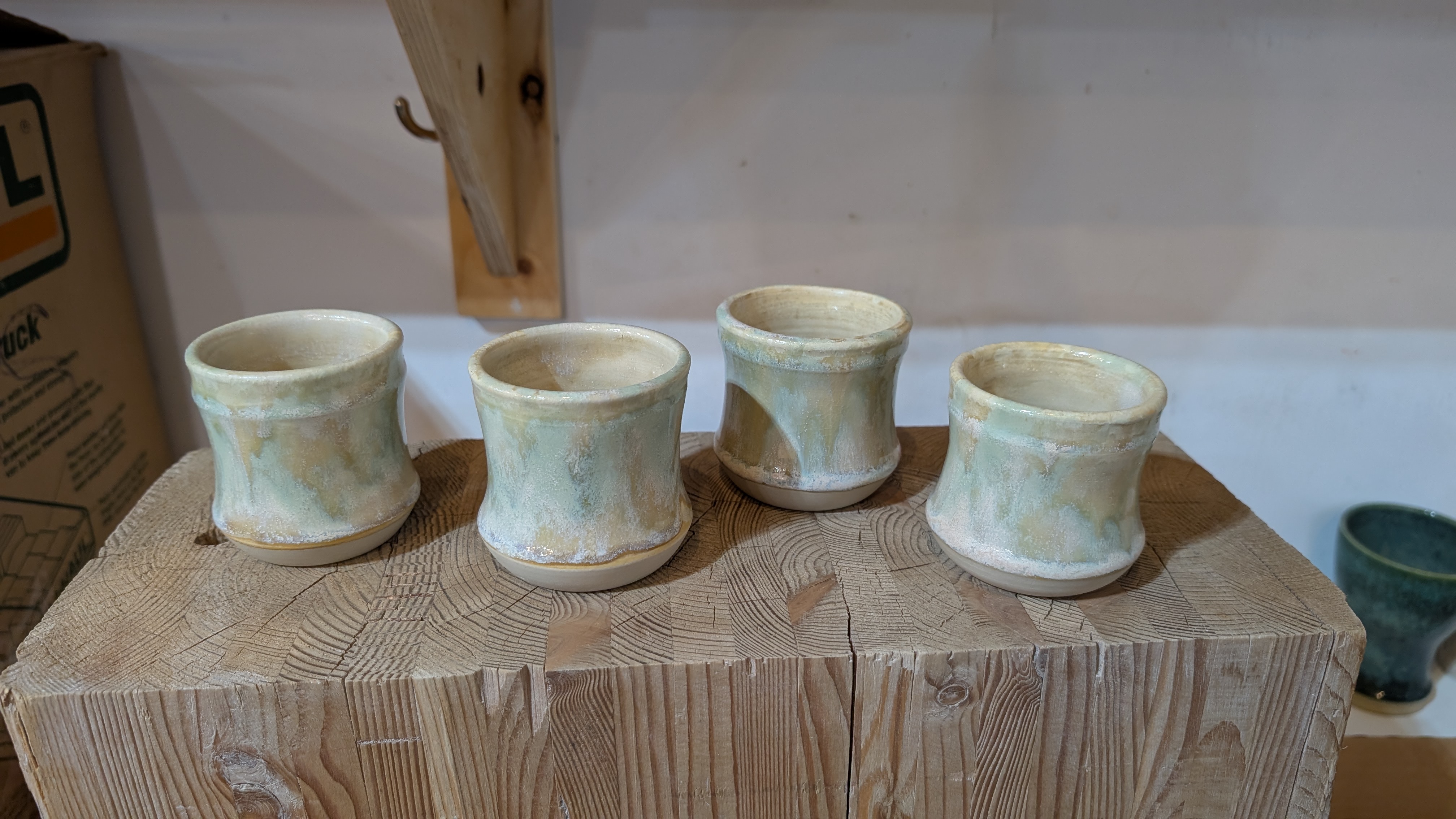
At the time of creating these pieces, and still as I write this description, I worked out of a community pottery studio, Studio72. The studio has a wonderful glaze library available to its members. It also has over 100 members, most of whom are using these glazes on their own work. I can spot each glaze combination from across the room at any local art market, and it can feel hard as a potter to have an identity without your own glaze collection.
However, buying commercial glazes or creating your own is a large investment, which I wanted to put off a little longer. I challenged myself to push the studio glazes further, to create works that felt different from my amazing studio-mates.
These are my first works that I am truly proud of beyond just being proof of my improvement as a potter. They were a turning point in feeling confident in my glazing technique, and I started to slowly love the glazing process since.
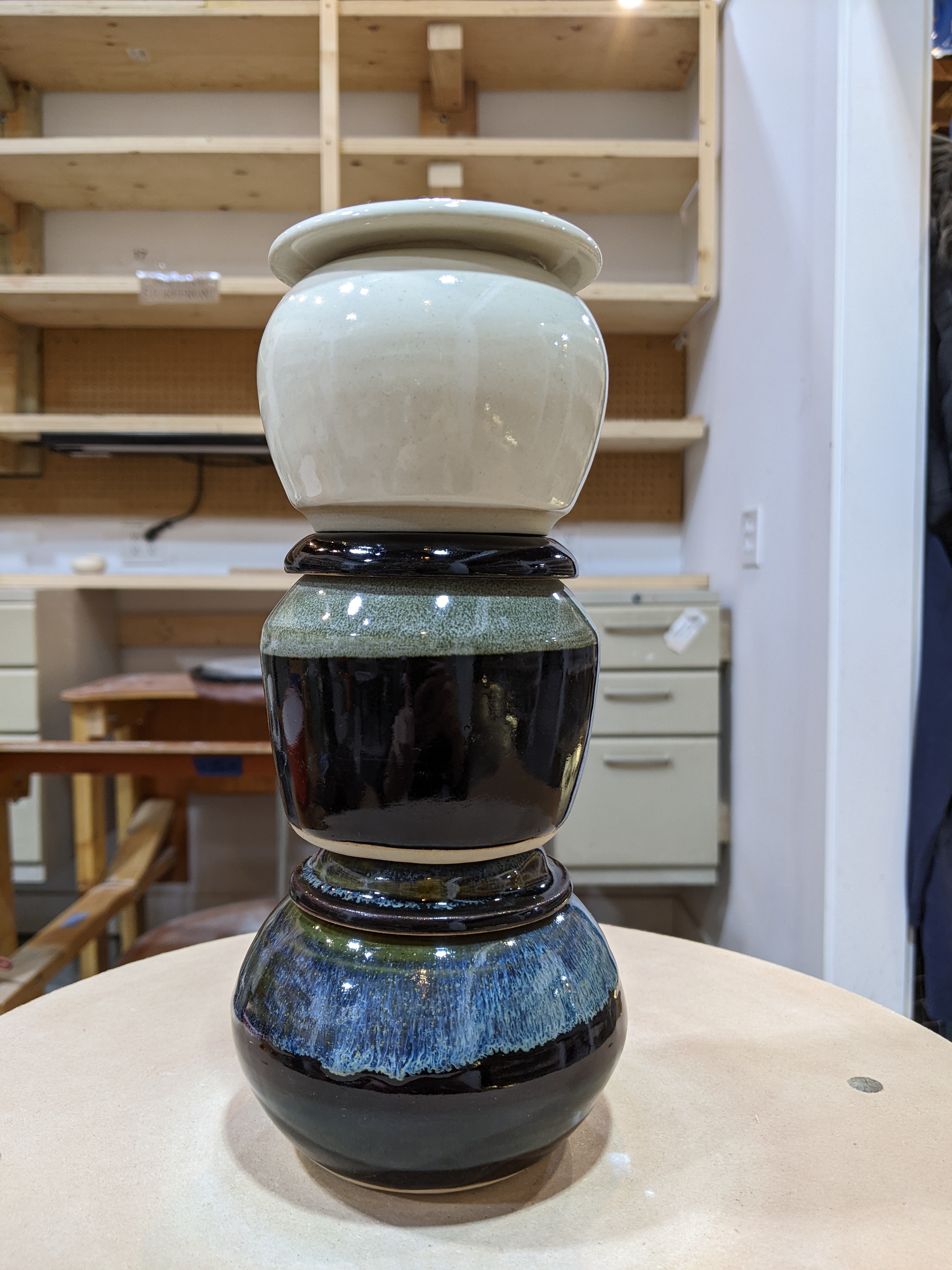
These pieces were glazed by dipping in a base glaze, then the pieces are set up upside down on a banding wheel and spun while 2 or more glazes are applied one at a time with a squeeze bulb with a small nozzle; shooting a stream of glaze at the pot while making different circular motions with the squeeze bulb. I enjoy that the force of the glaze impacting and splattering against the vessels creates a feeling of motion and gravity in the final pieces. The way the layers of glaze intertwine as they melt downwards reminds me of the intense sense of vertigo I feel at height and exposure—a deep pulling, seductive, and frightening feeling for me.
Coasters
Description:
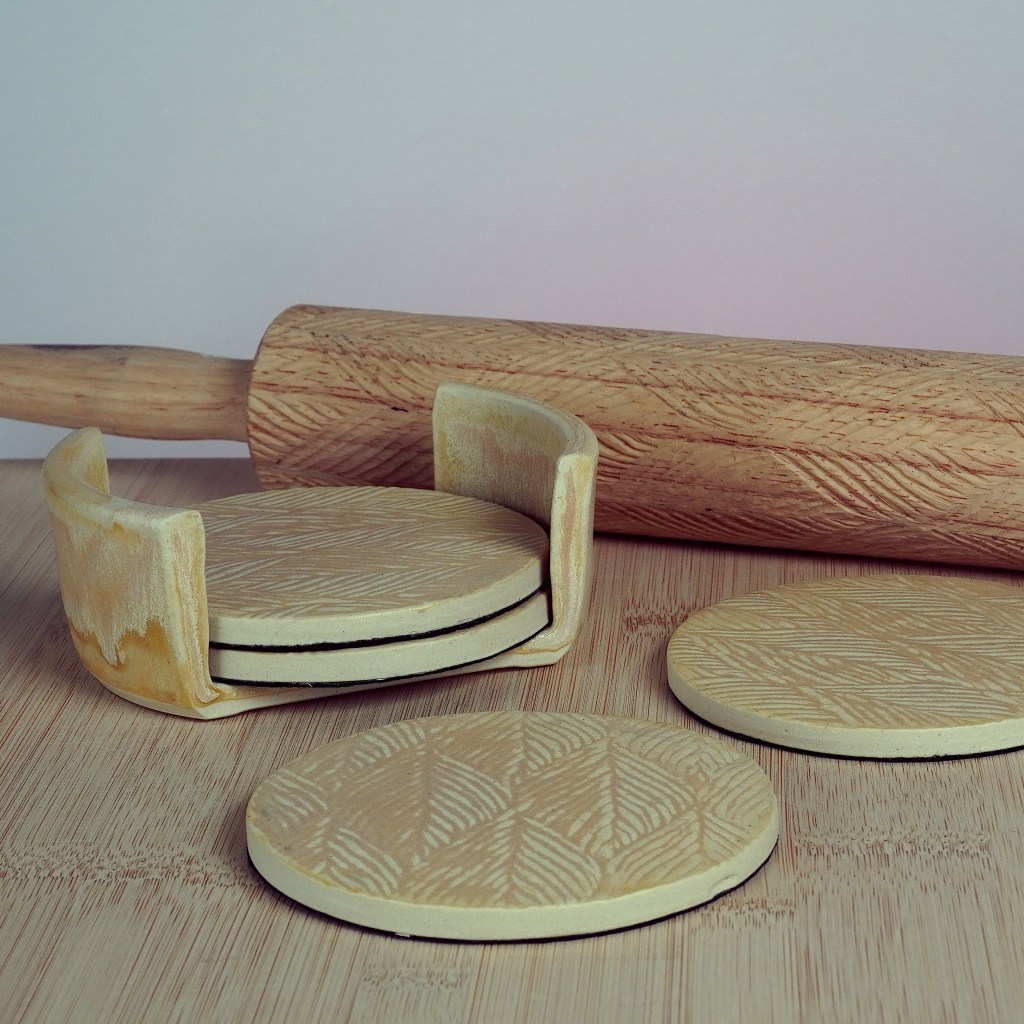
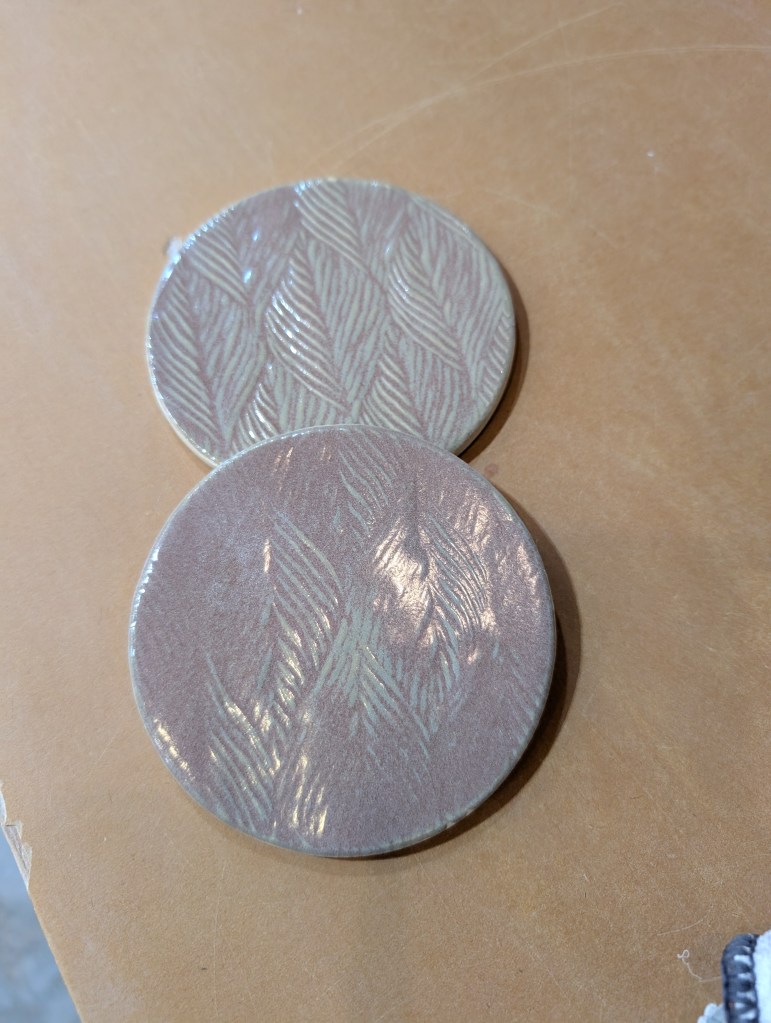
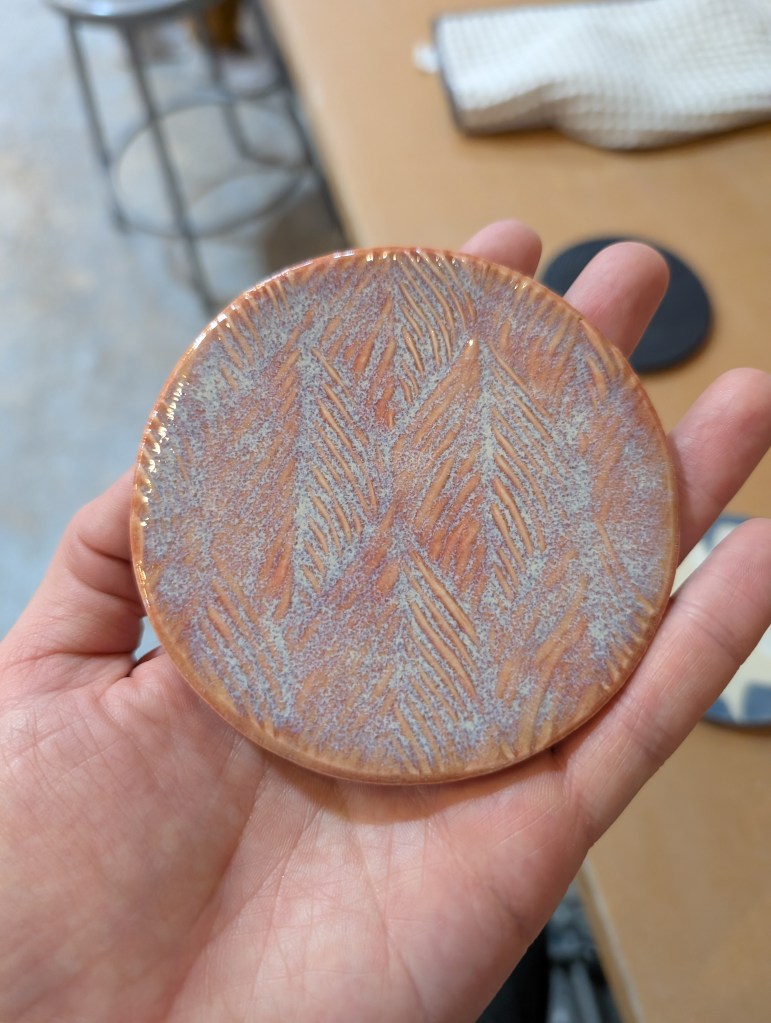
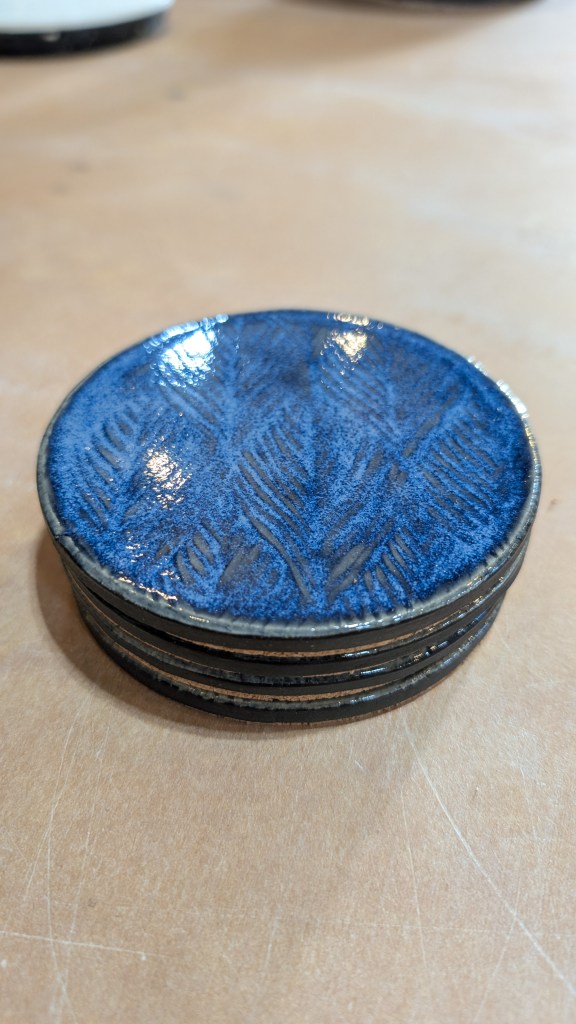
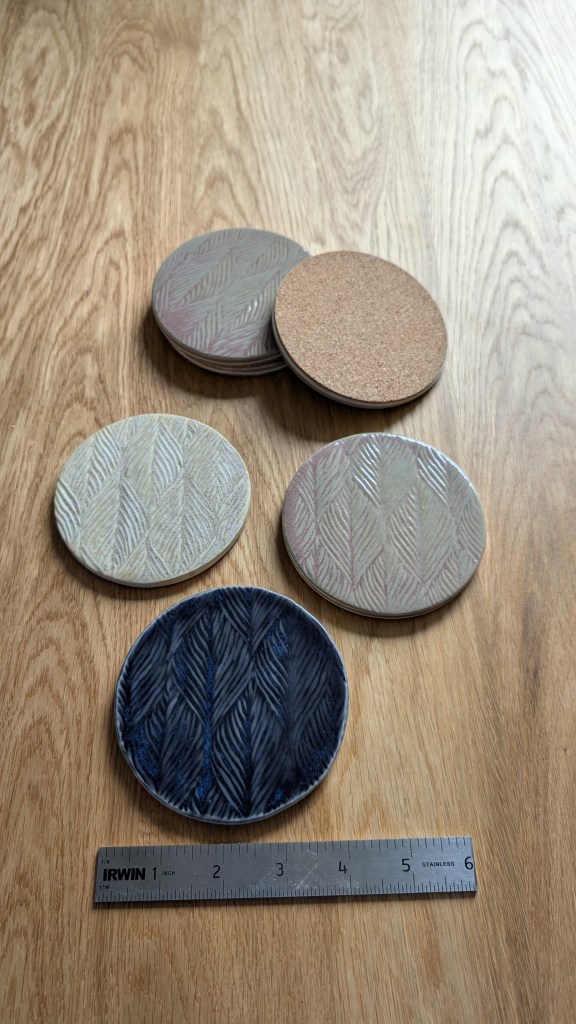
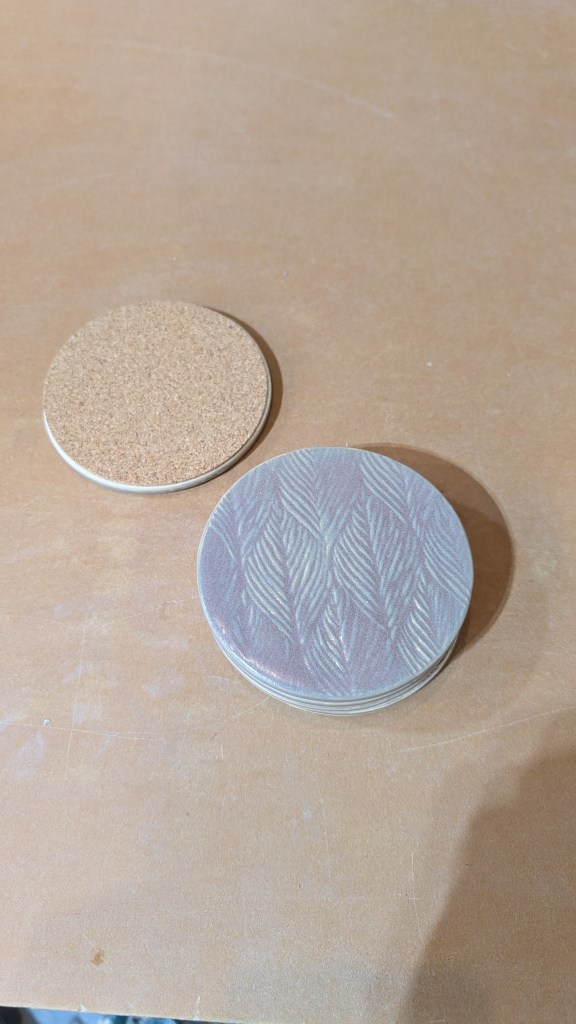
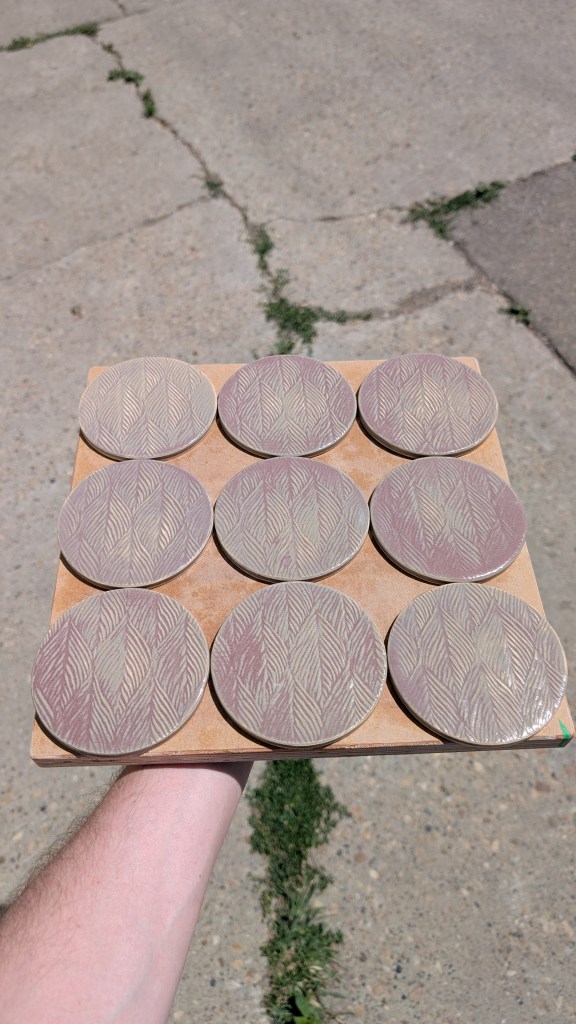
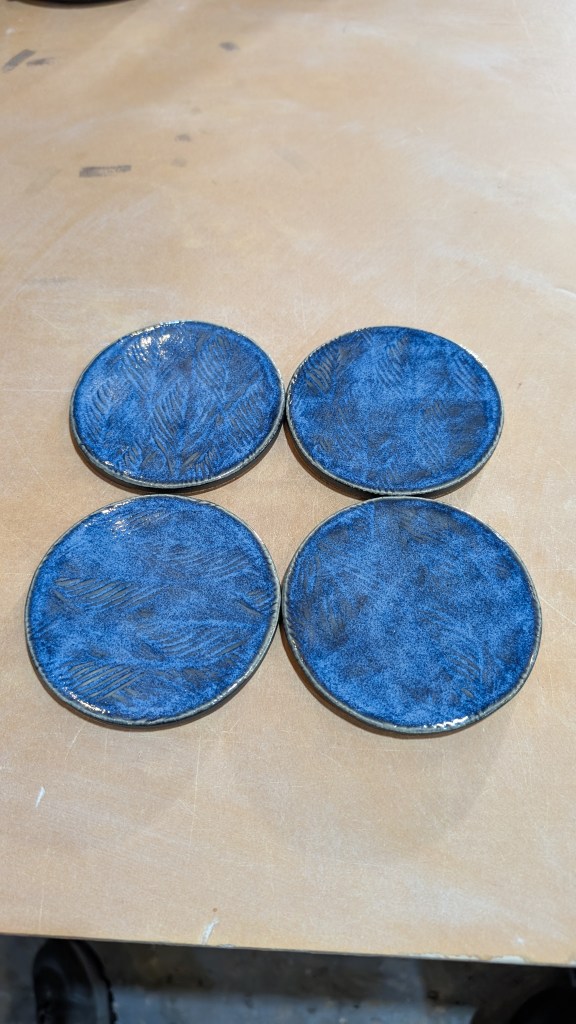
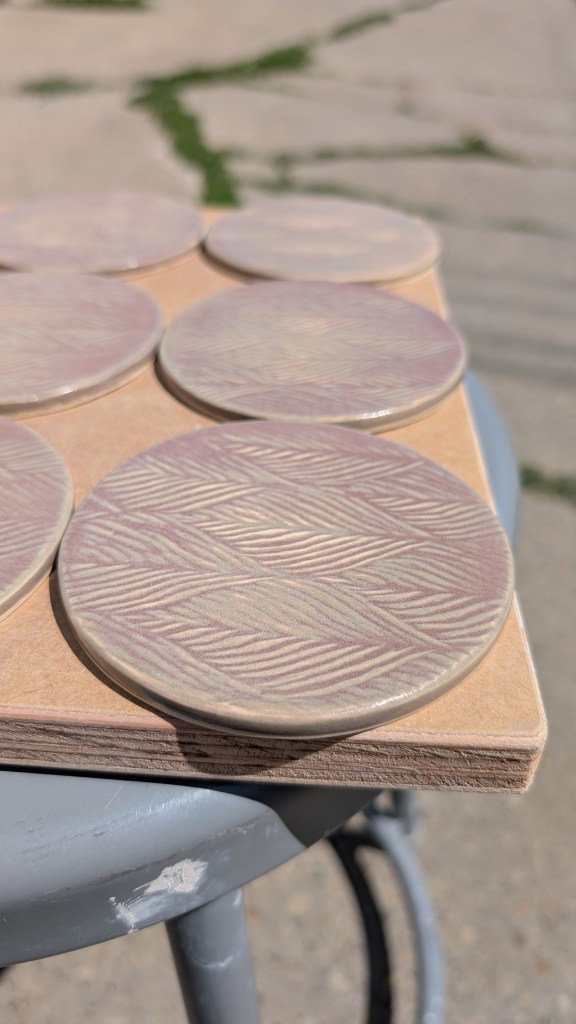
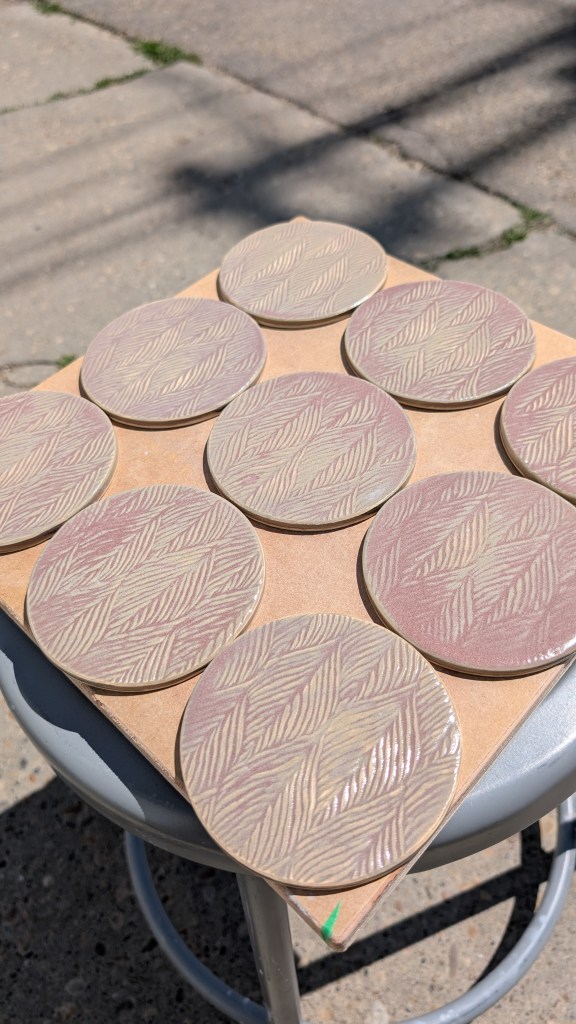
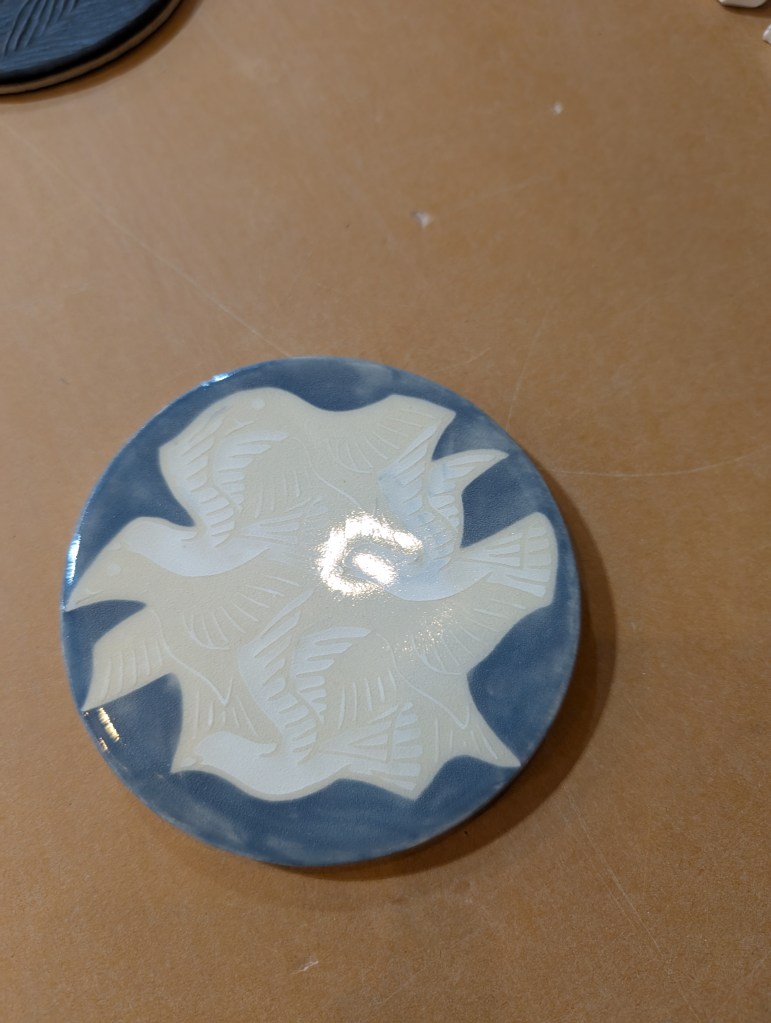
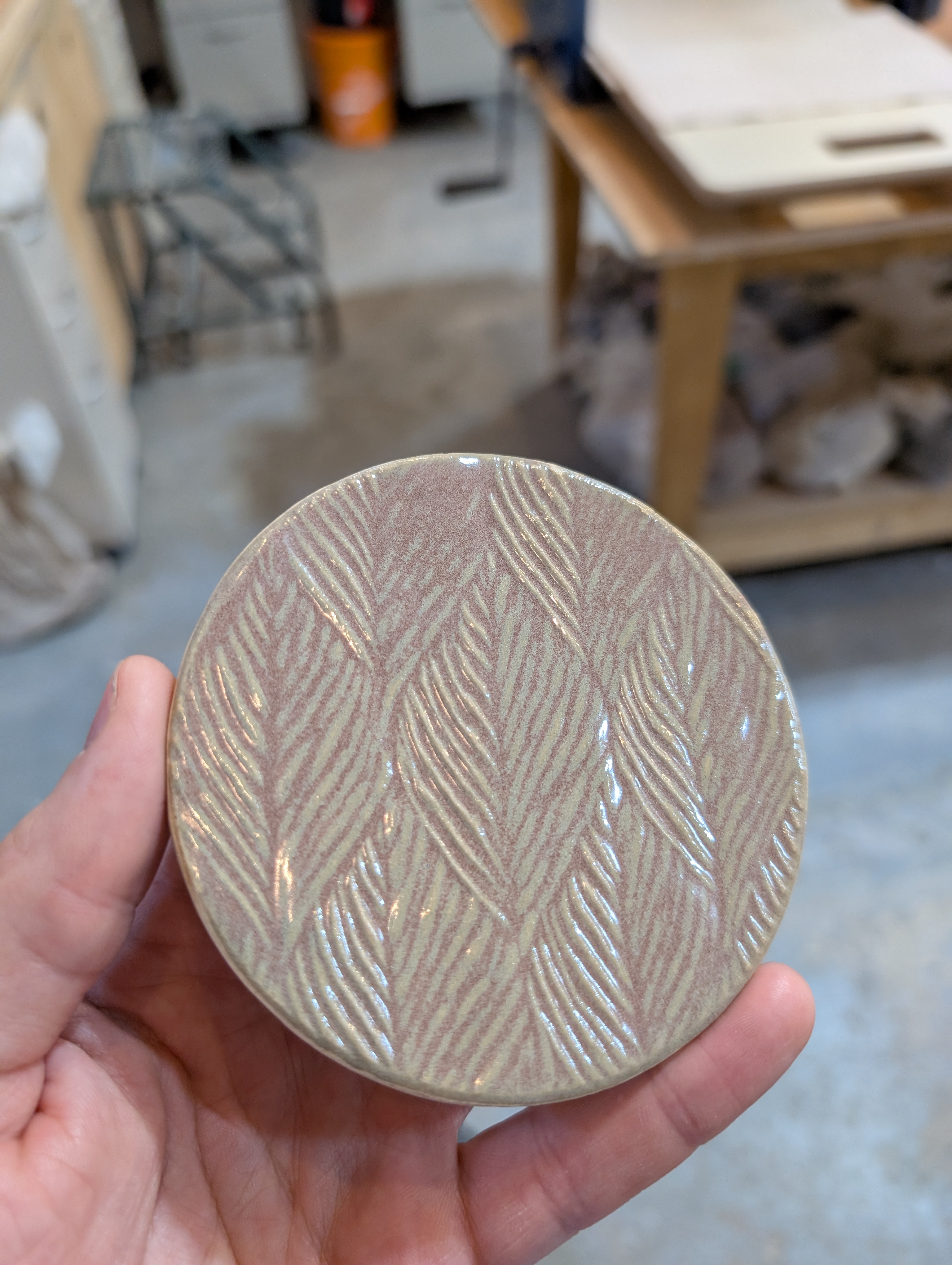
Coasters are one of my favorite handbuilt ceramics to make. I tried several commercial rolling pins with patterns on them, but the designs never spoke to me. I decided to try my hand at wood carving, though I don’t recommend a rolling pin be someone’s first project for carving designs I was extremely pleased with the tool I created. A hand carved texture gives a little variety in the design, and it feels like these pieces belong more to me since I didn’t buy a tool to decorate. I also love experimenting with different glazes, always trying to find single glazes that do interesting things over texture.
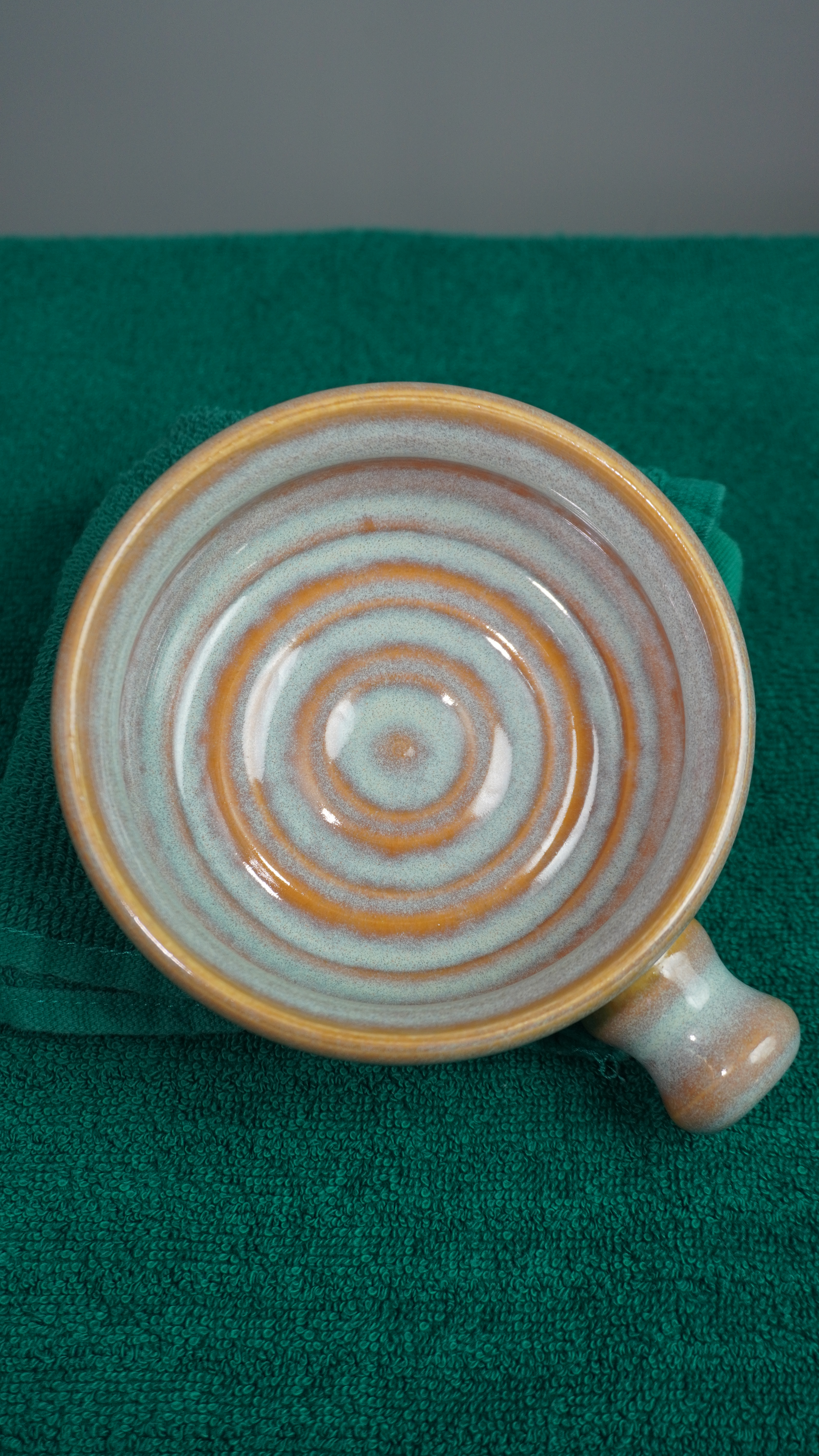
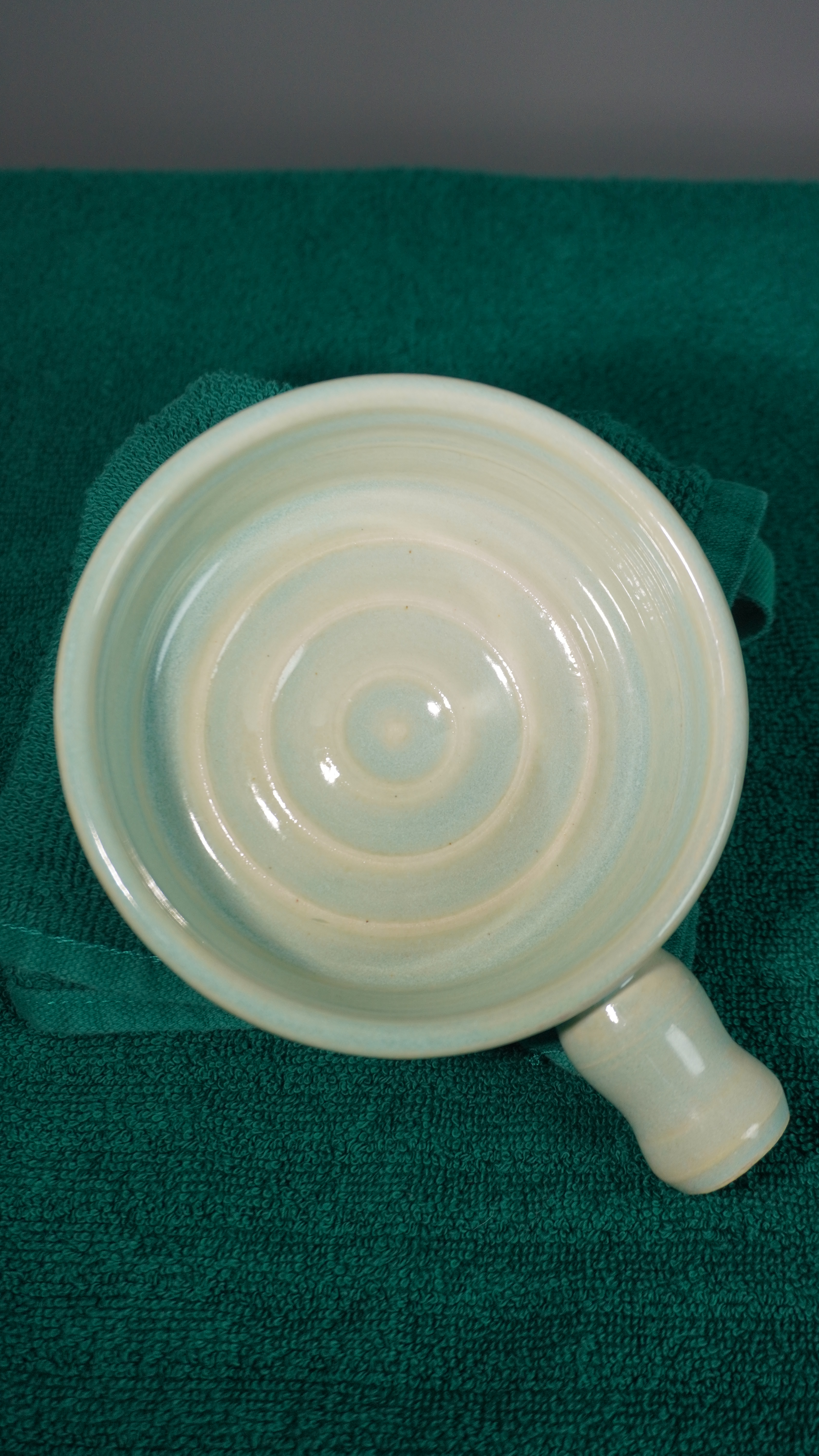
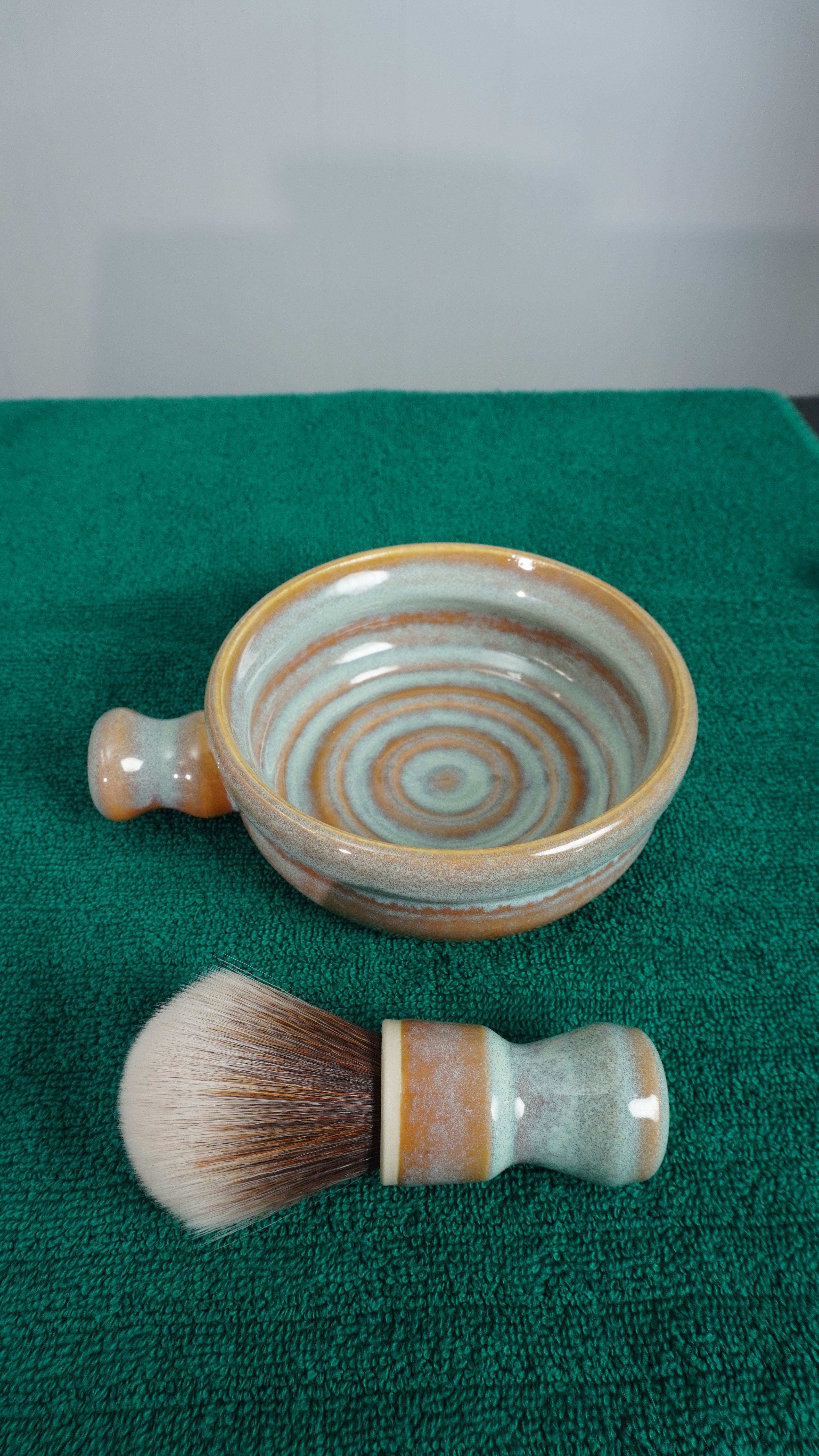
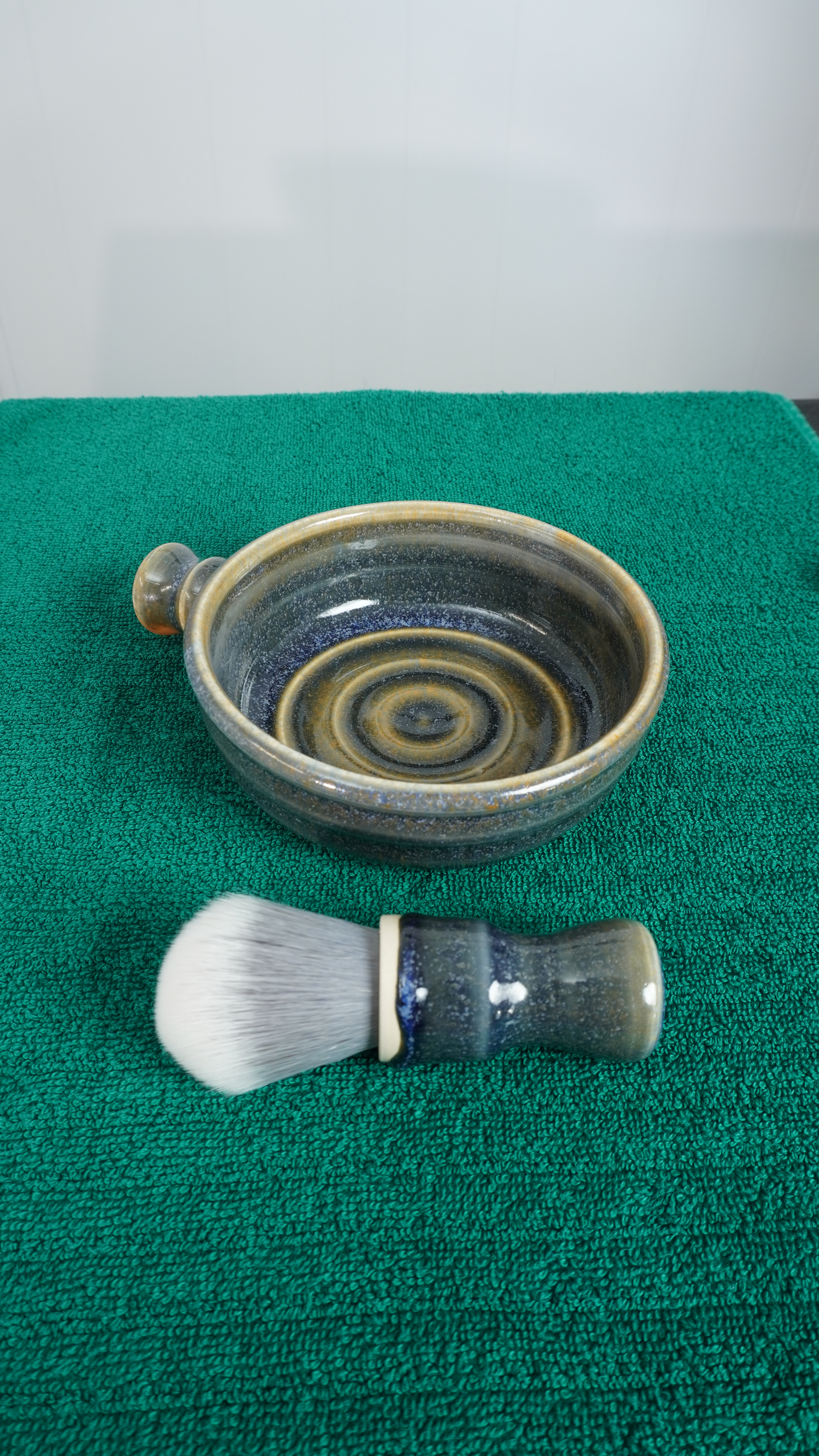
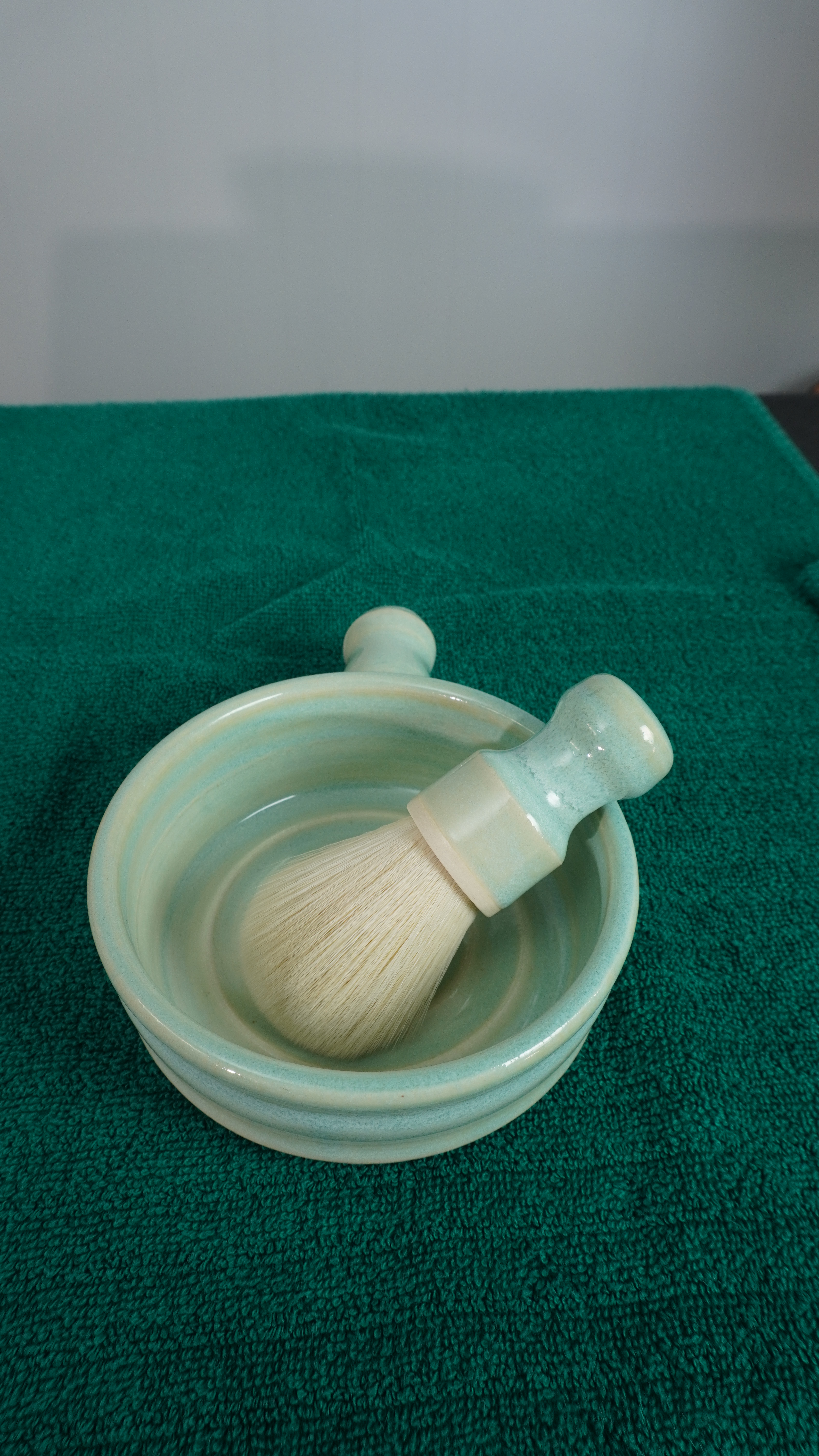
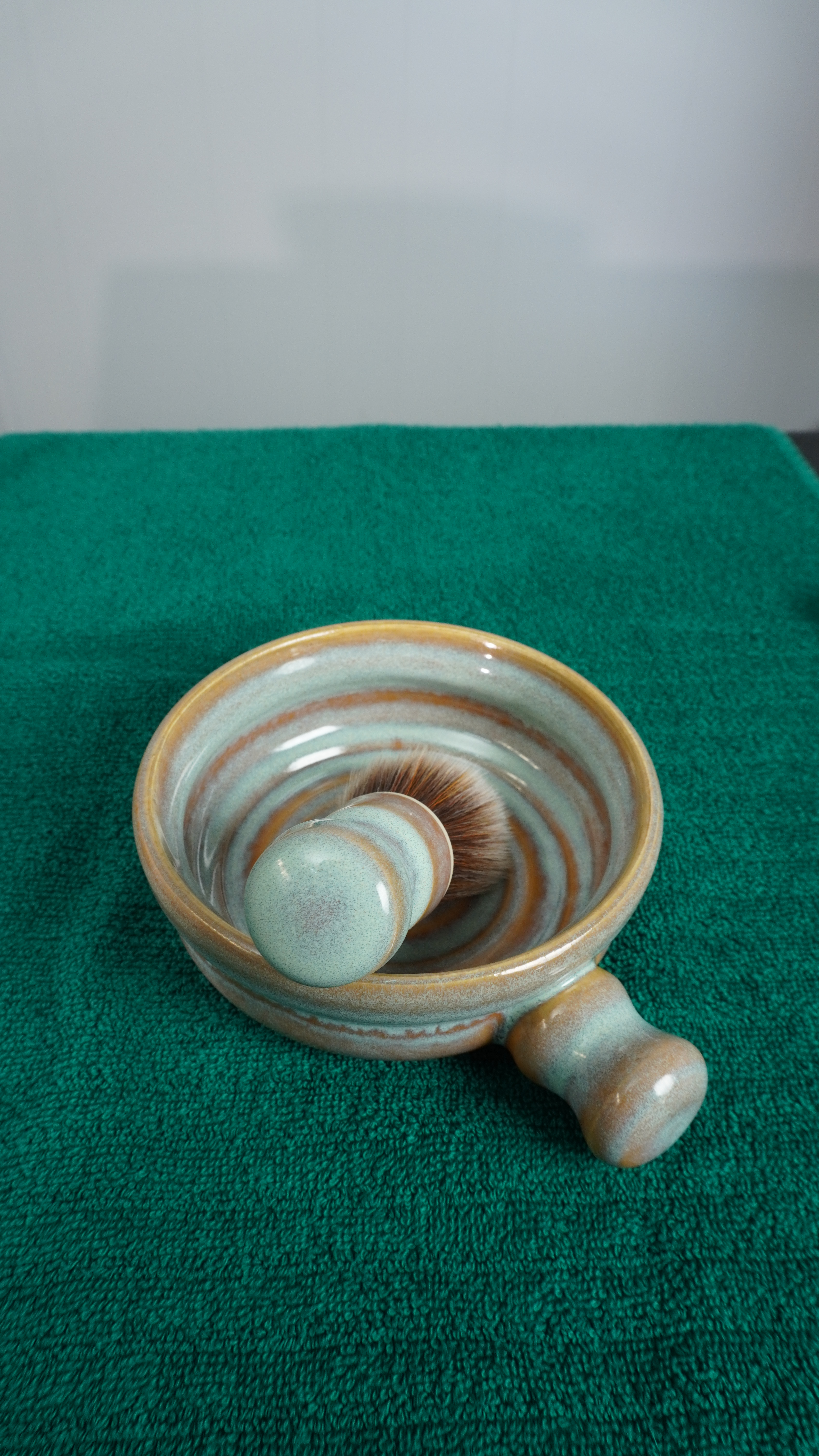
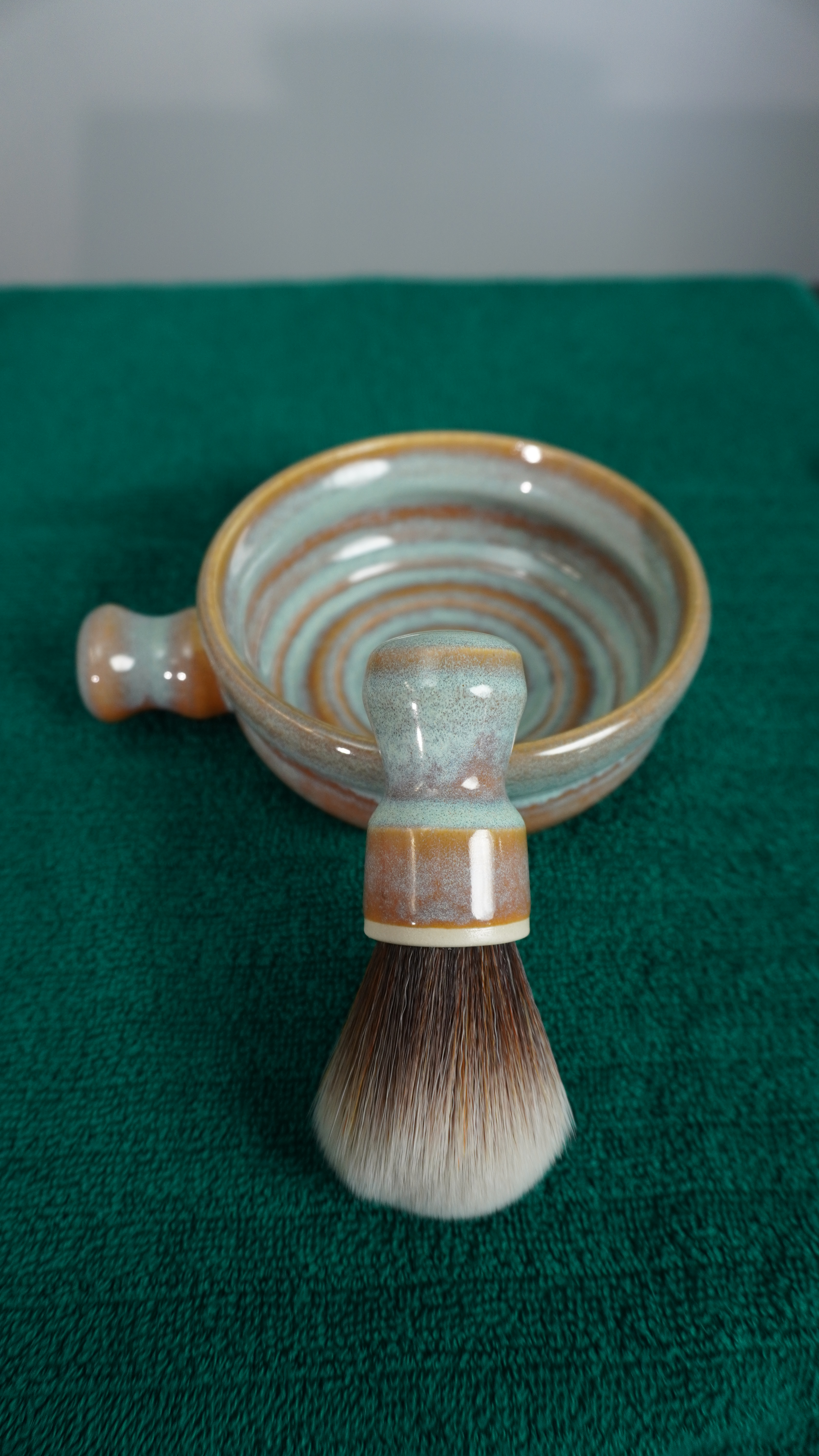
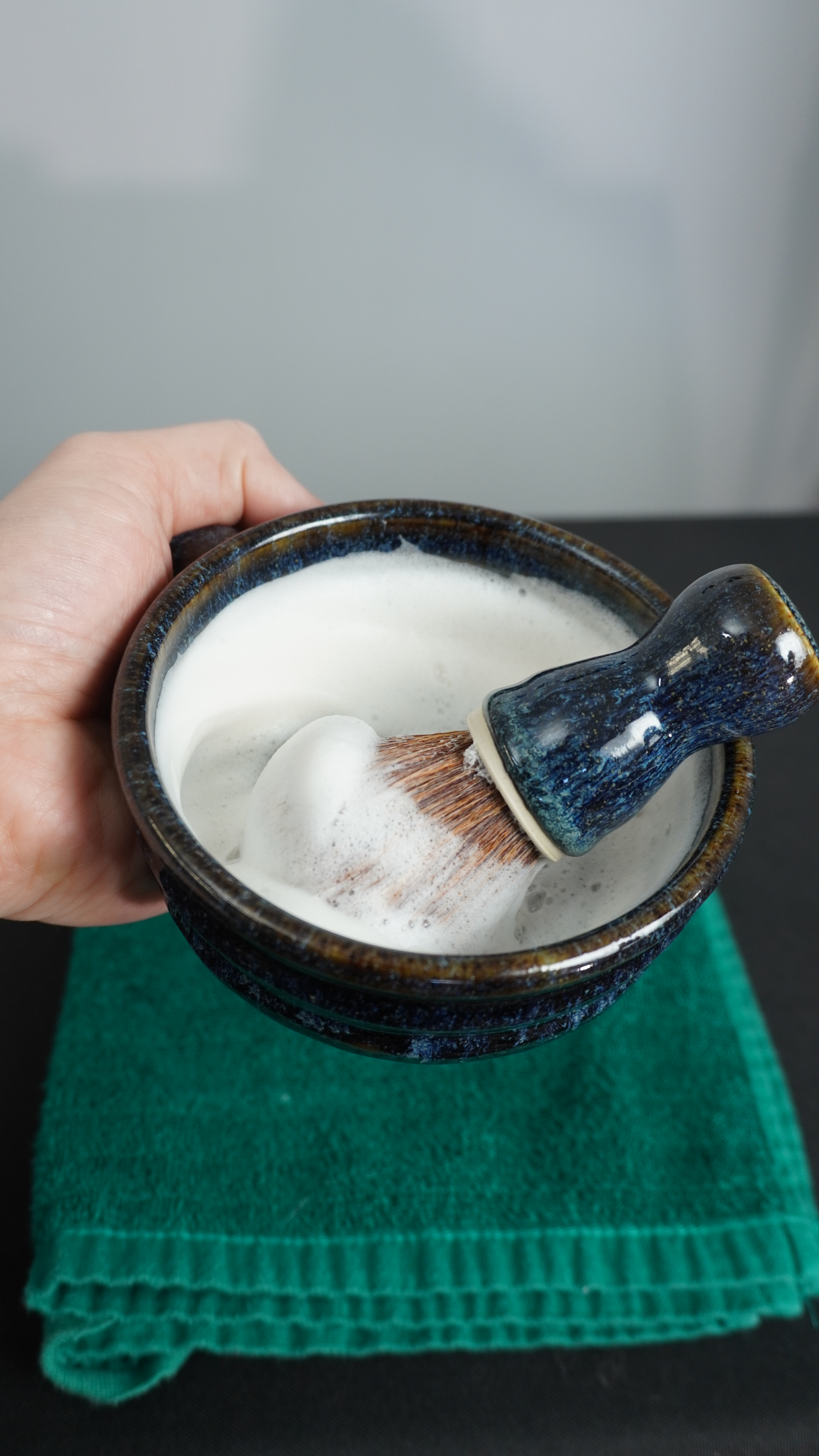
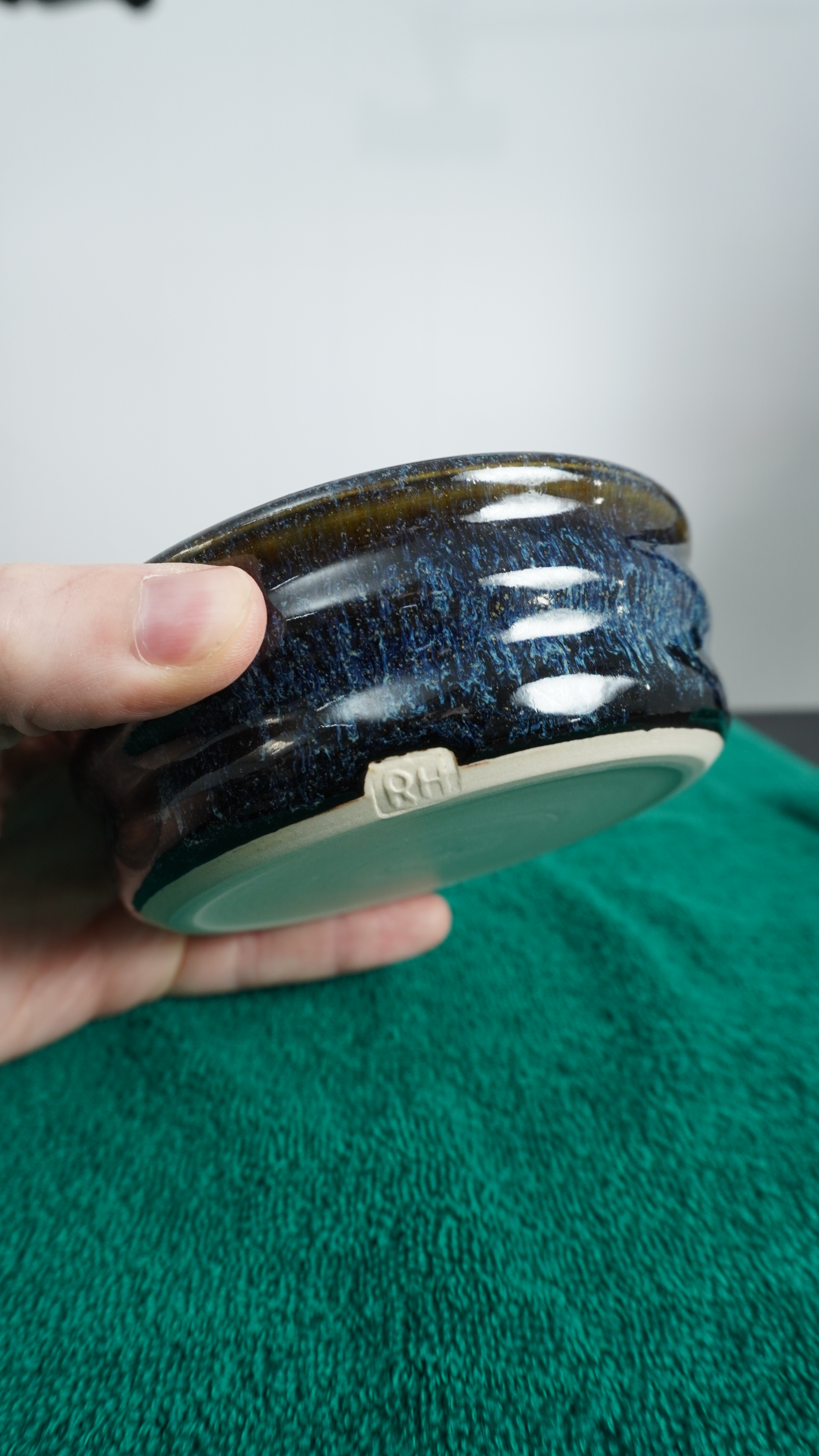
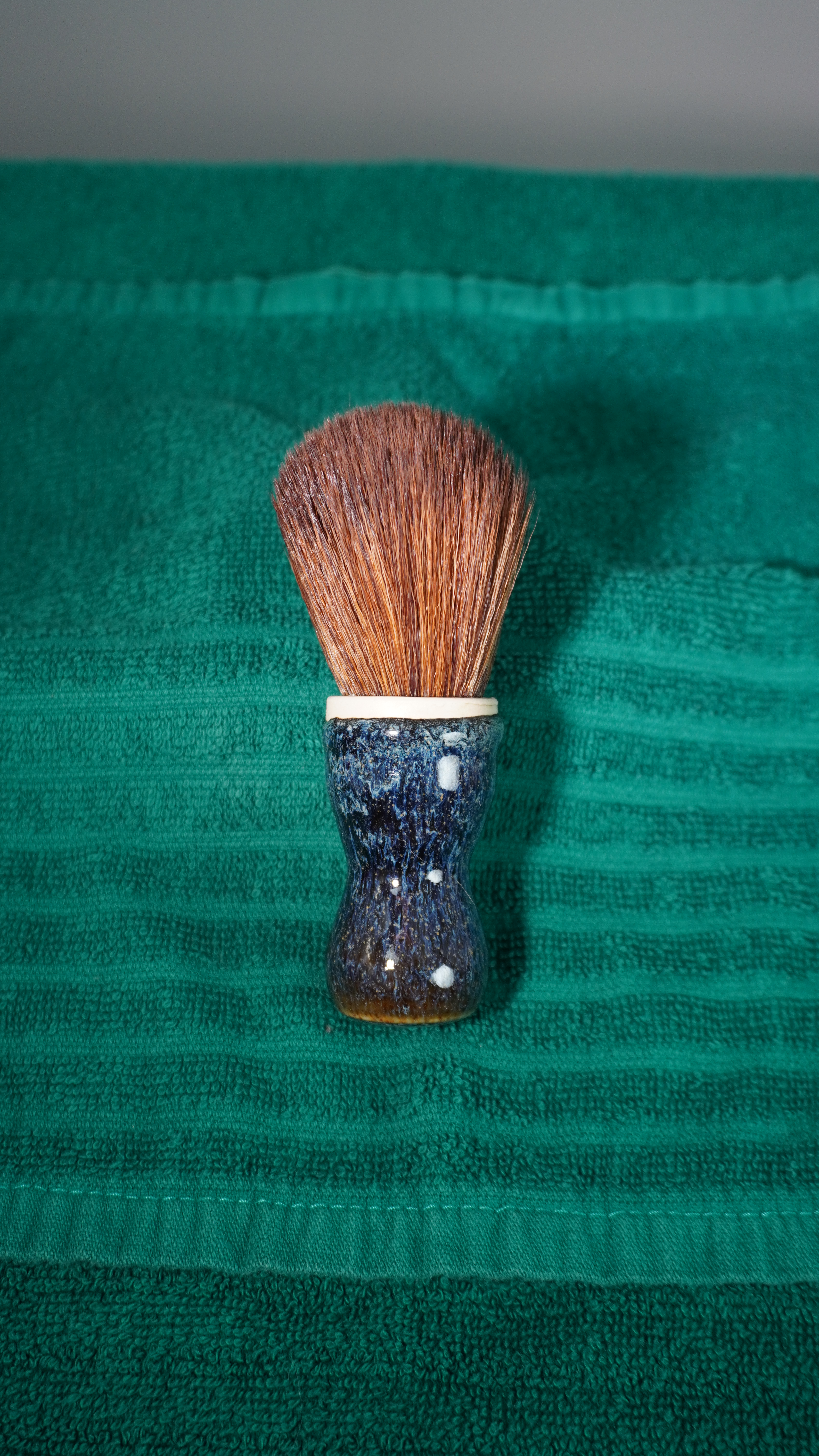
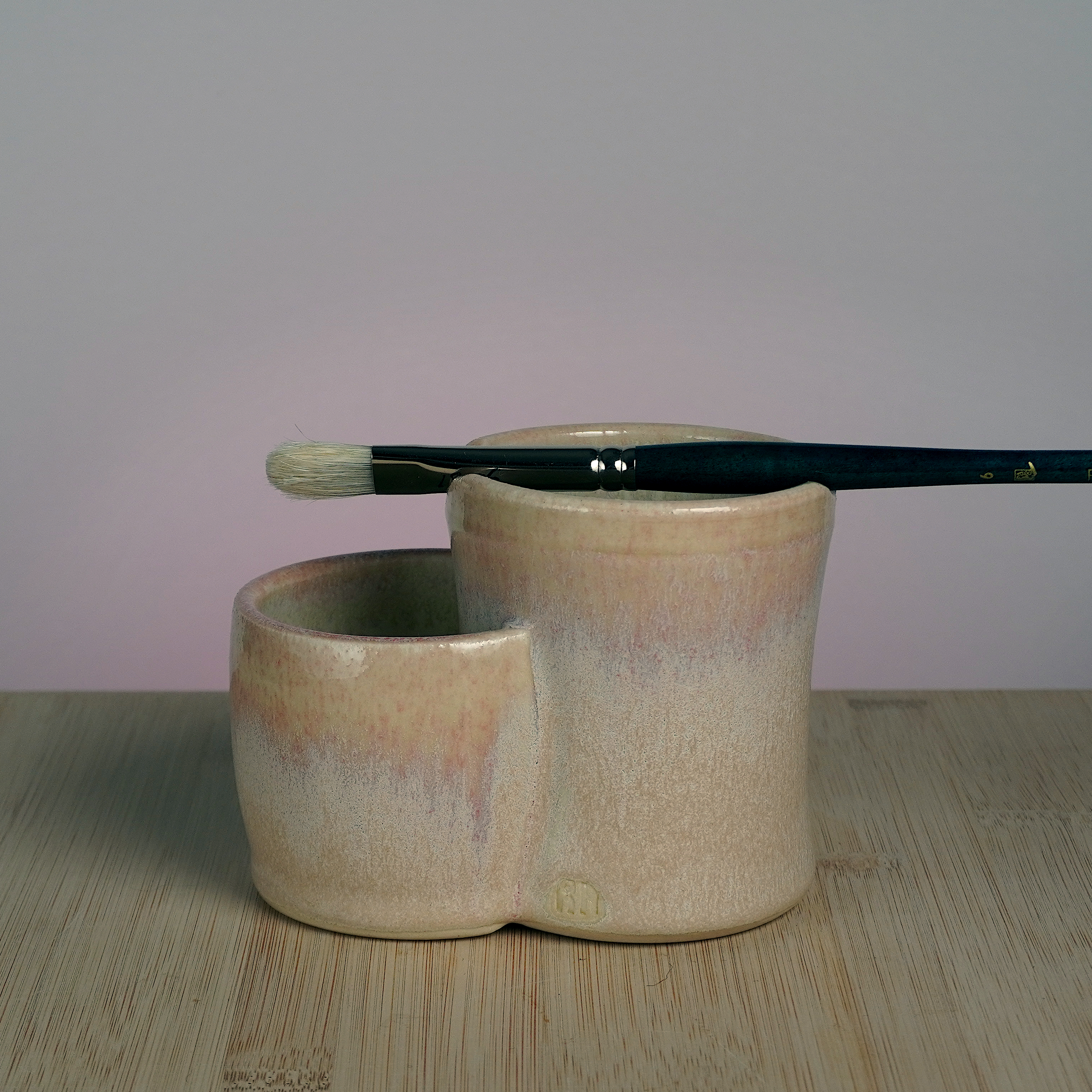
Shave Mugs
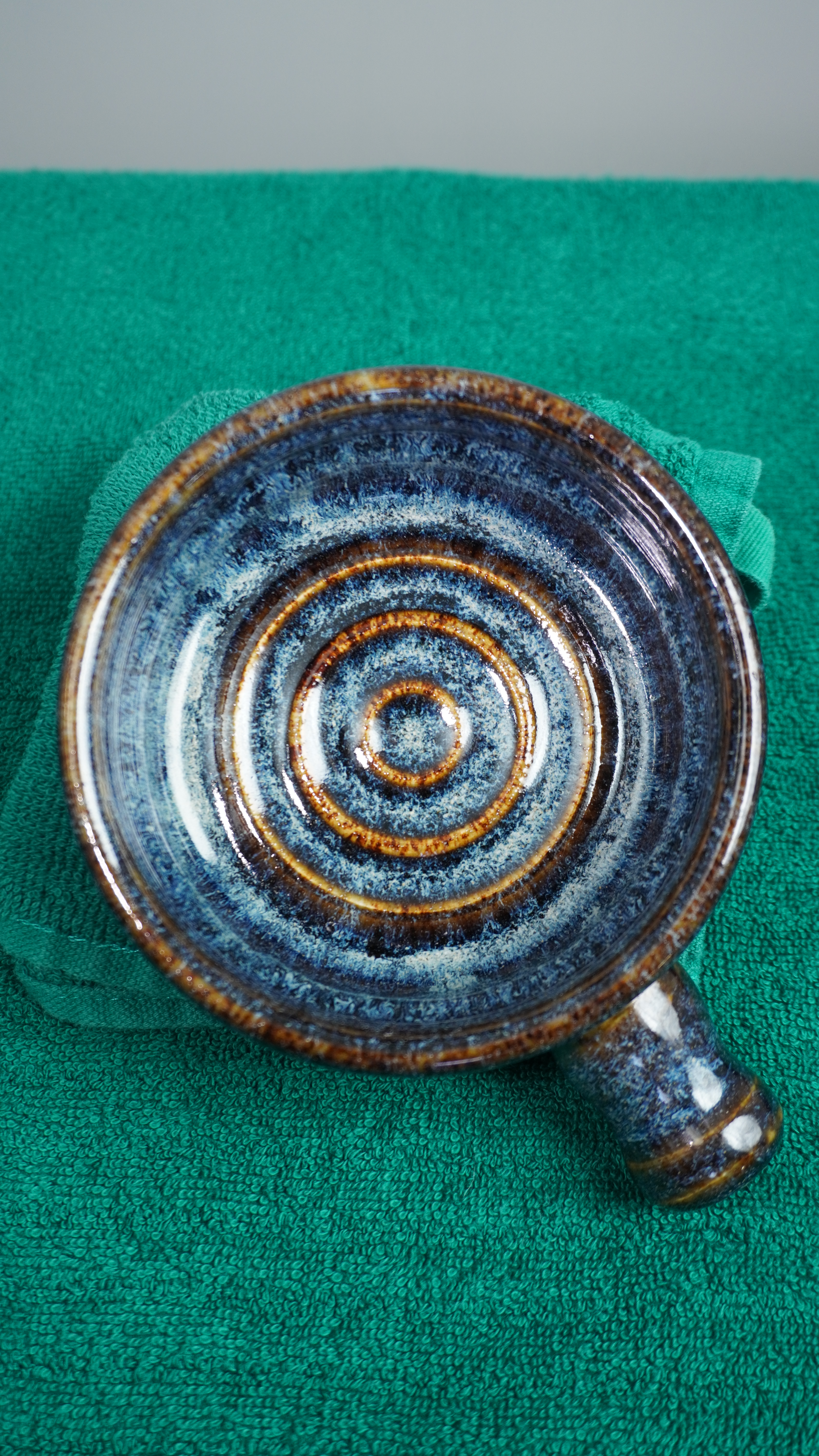
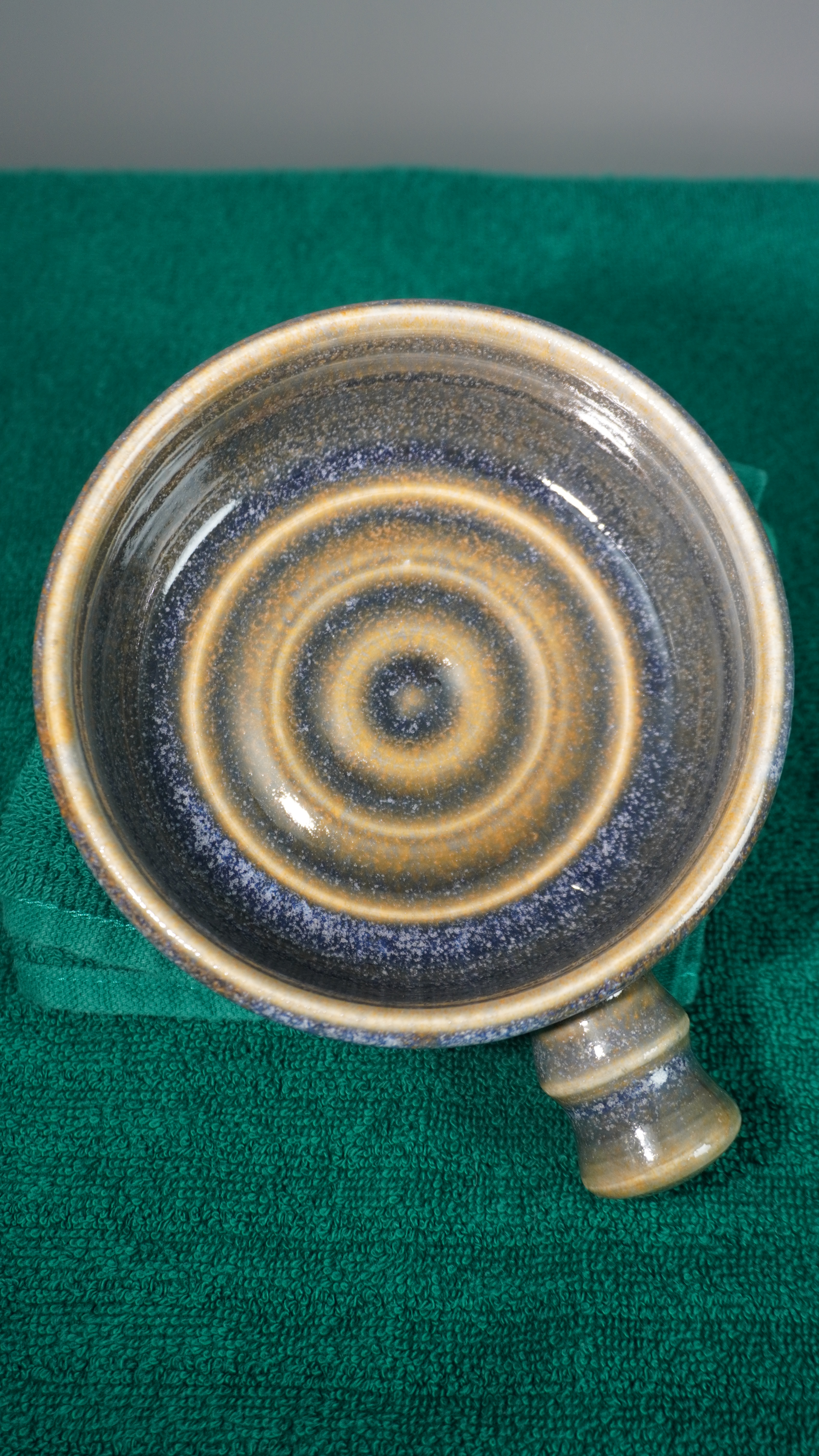
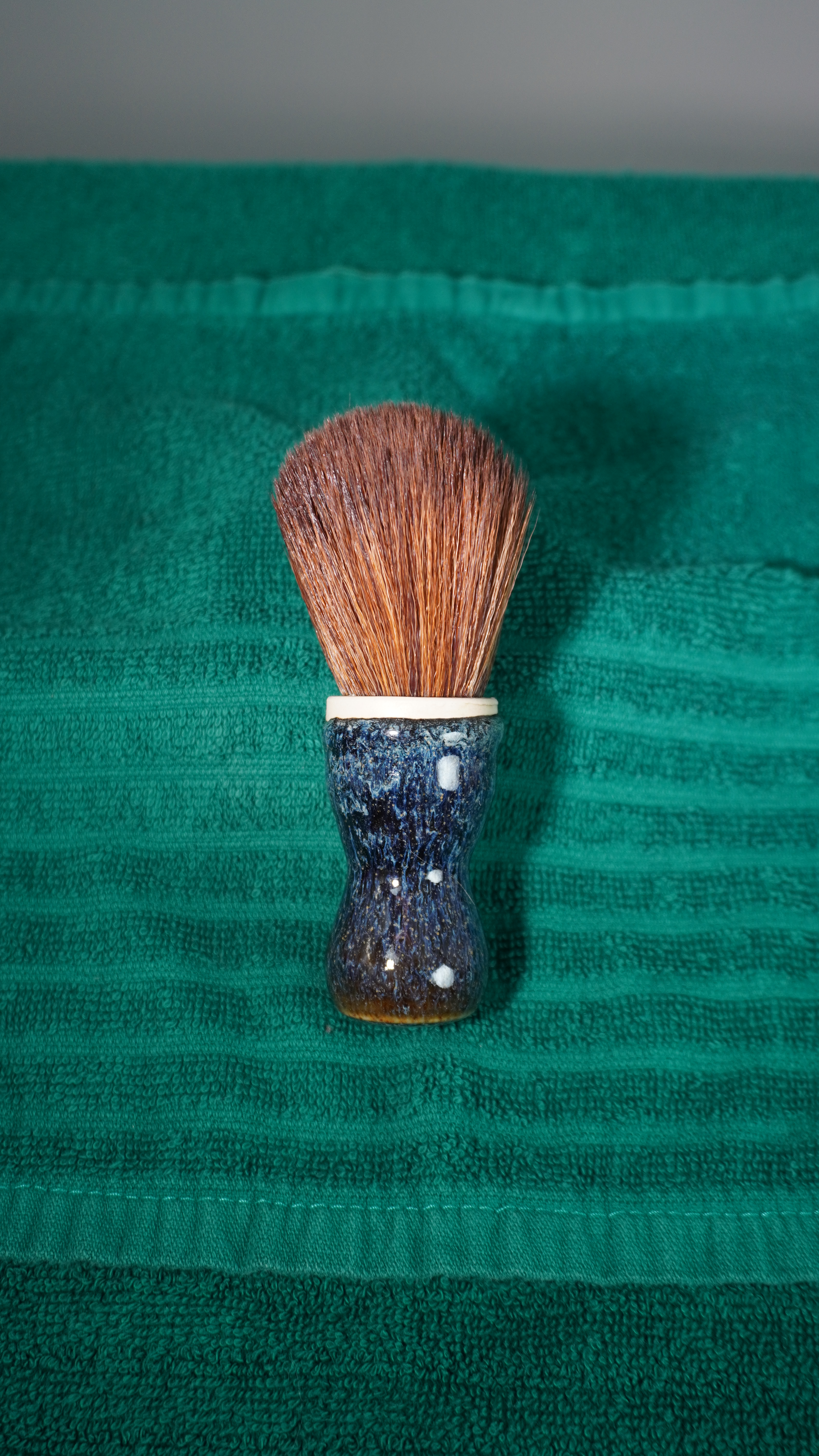
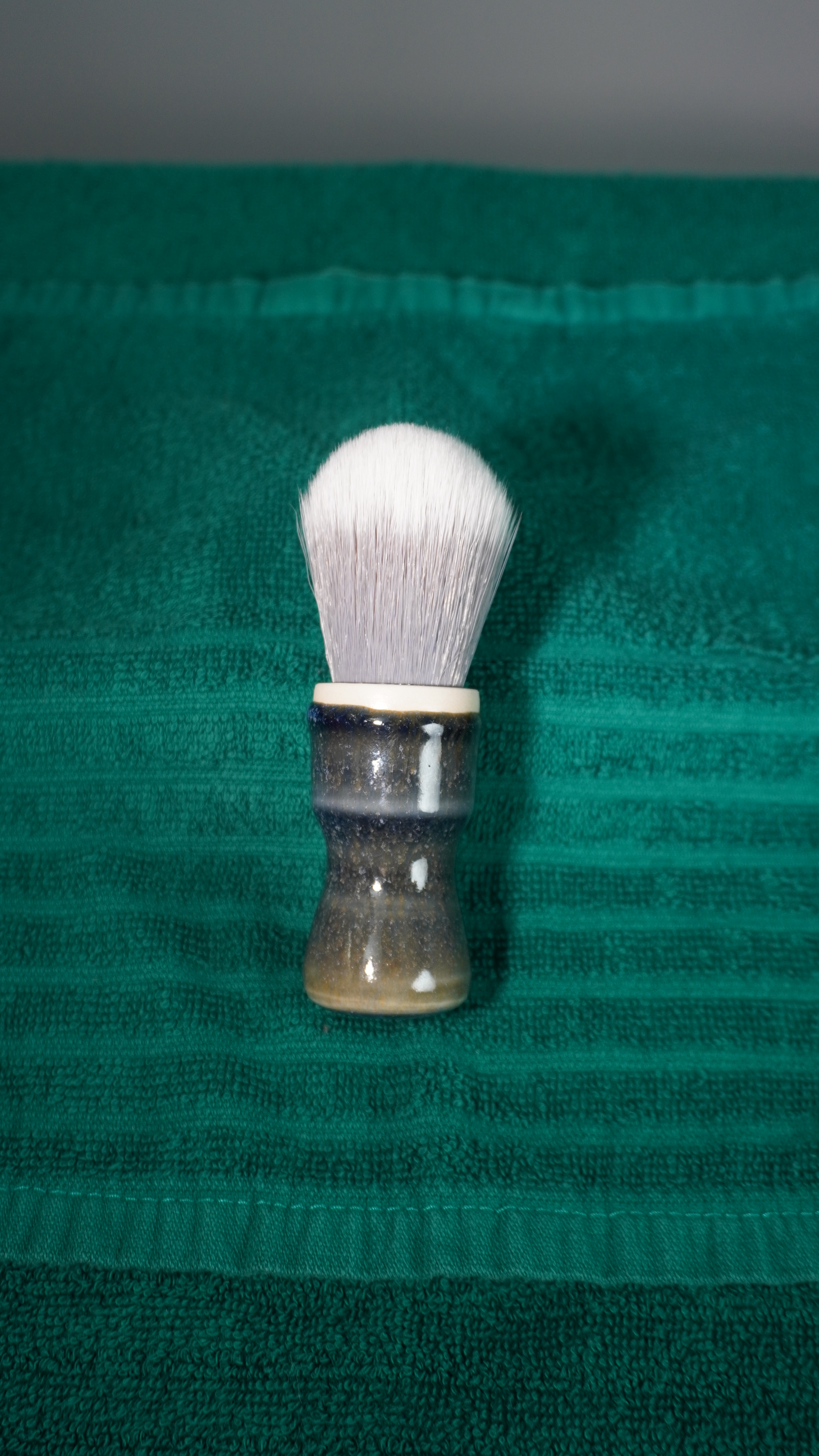
with matching brush handles.
Other
 Fearful Symmetry Ceramics